Can Fire Residue Stay Hidden in HVAC Systems After Cleanup? Why Post-Fire Duct Testing Matters

A house fire is a devastating event that disrupts your entire life. Once the flames are out and the smoke clears, you might think the worst of the ordeal is over. However, a hidden danger often lingers in places you cannot easily see. Microscopic fire residue can travel throughout your home and settle deep inside your HVAC ducts.
This invisible threat can heavily compromise your indoor air quality long after the visible damage is repaired. Comprehensive restoration means looking far beyond the obvious charred walls, water-logged floors, and ruined furniture. You have to treat the air you breathe with the same level of care.
If you want to keep your family safe, you must address the entire property. Post-fire duct testing is a critical step for protecting your health and preventing secondary property damage. Understanding how this residue hides will help you make the right choices during the recovery process.
Understanding Fire Residue and Its Dangers
Fire residue is not just simple dust. It is a highly toxic mixture of soot, ash, and dangerous chemicals created when common household materials burn. Everyday items like plastics, synthetic fabrics, treated wood, and electronics release harmful byproducts into the air as they melt and catch fire.
When humans inhale these microscopic particles, serious health risks can follow. The dangers of exposure include:
- Respiratory issues: Inhaling fine soot particles can trigger severe asthma attacks, chronic coughing, and shortness of breath.
- Skin irritation: The chemicals found in ash can cause rashes and discomfort when they settle on your skin or clothing.
- Long-term health effects: Prolonged exposure to the toxic compounds in smoke residue has been linked to severe cellular damage and long-term lung conditions.
The building itself also suffers from these leftover particles. Fire residue is highly acidic. If left untreated, it can cause severe corrosion on metal surfaces, tarnish plumbing fixtures, and leave behind a stubborn odor that permeates the entire house.
The HVAC System: A Hidden Reservoir for Contaminants
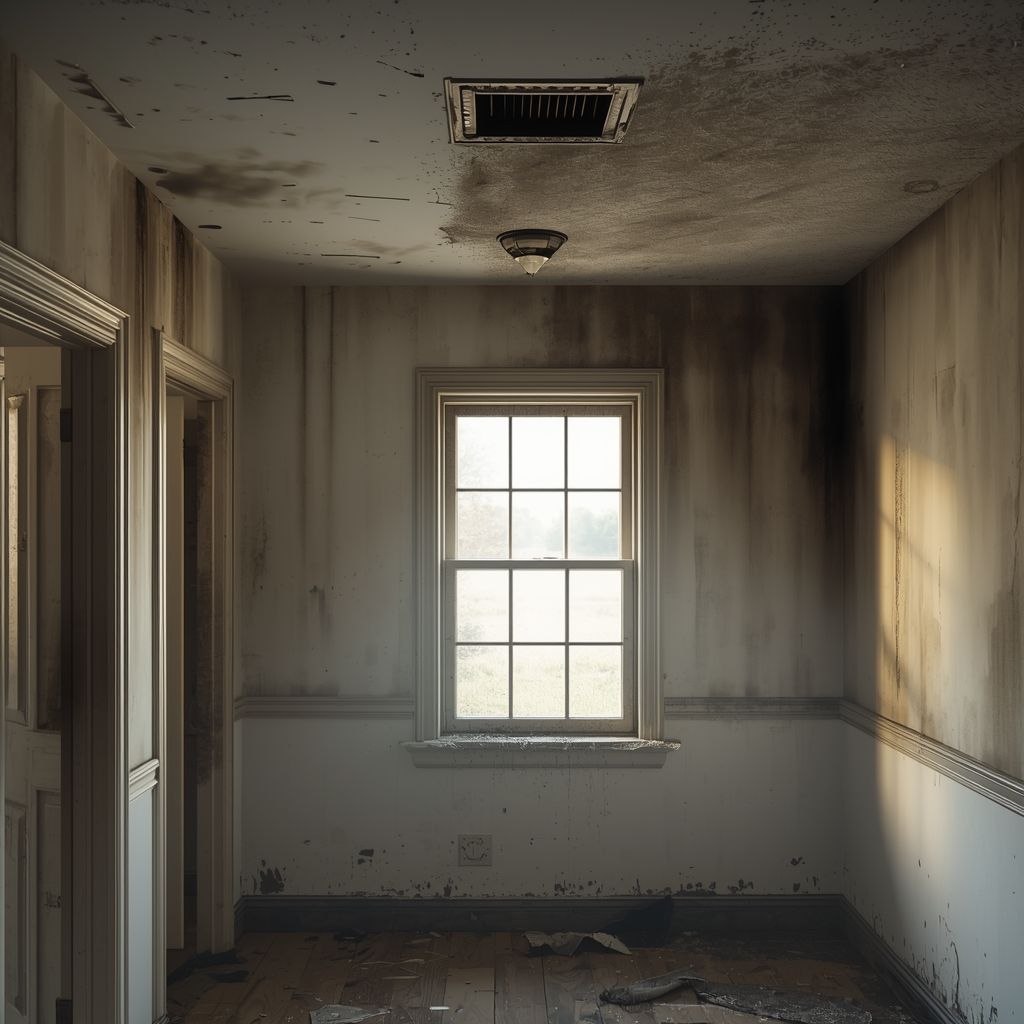
Your heating and cooling system acts like the respiratory system of your house. During a fire, the HVAC unit often draws in thick smoke and airborne soot. These sticky contaminants travel through the ductwork and firmly attach to the interior walls of the ventilation shafts.
Whenever your air conditioner or heater kicks on, the fan blows air directly across these contaminated surfaces. This creates a continuous cycle of contamination that spreads microscopic soot particles into every room of your home. You could be breathing in toxic air while sleeping, cooking, or relaxing in a room that was never touched by the actual fire.
Standard wiping and mopping will not solve this problem. Traditional cleaning methods simply cannot reach deep inside your complex ventilation system. The dark, narrow pathways of your ducts require a specialized approach to ensure the toxic dust is completely removed.
The Critical Role of Post-Fire Duct Testing
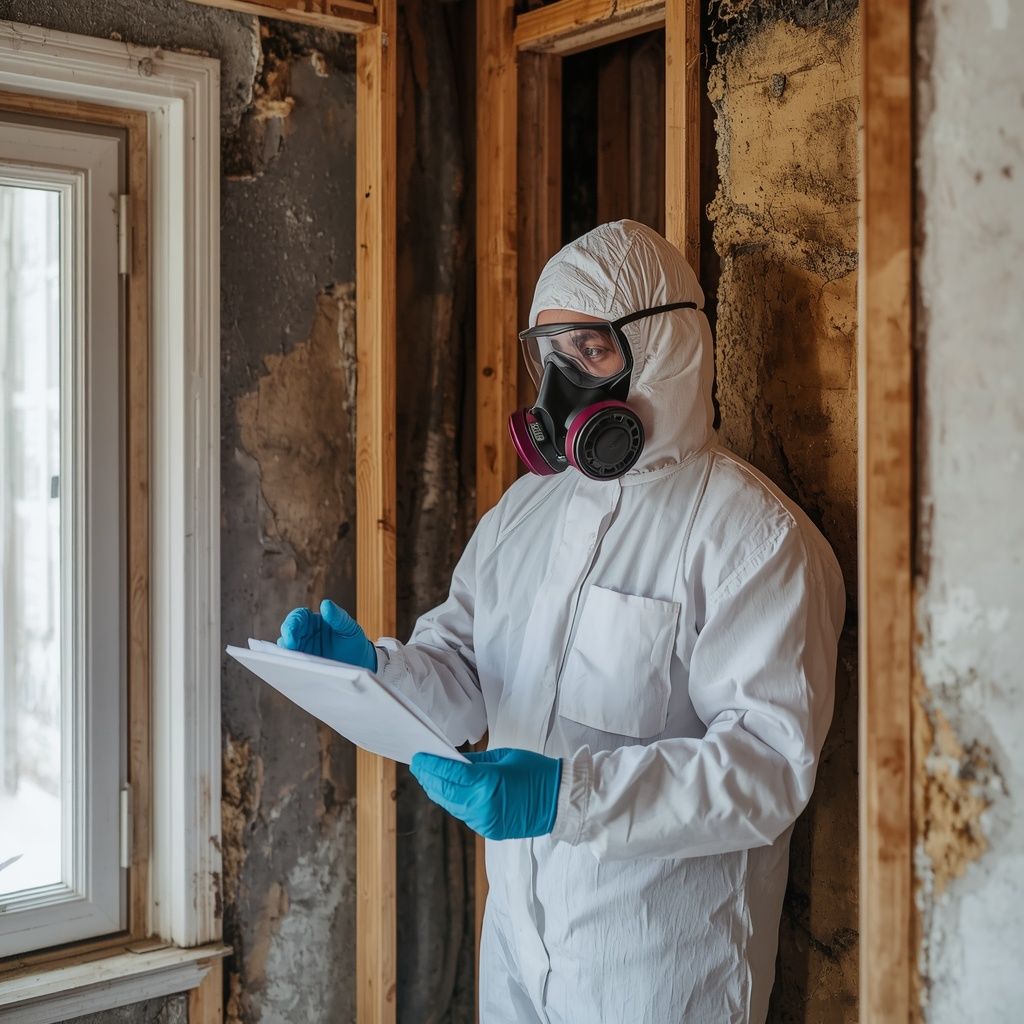
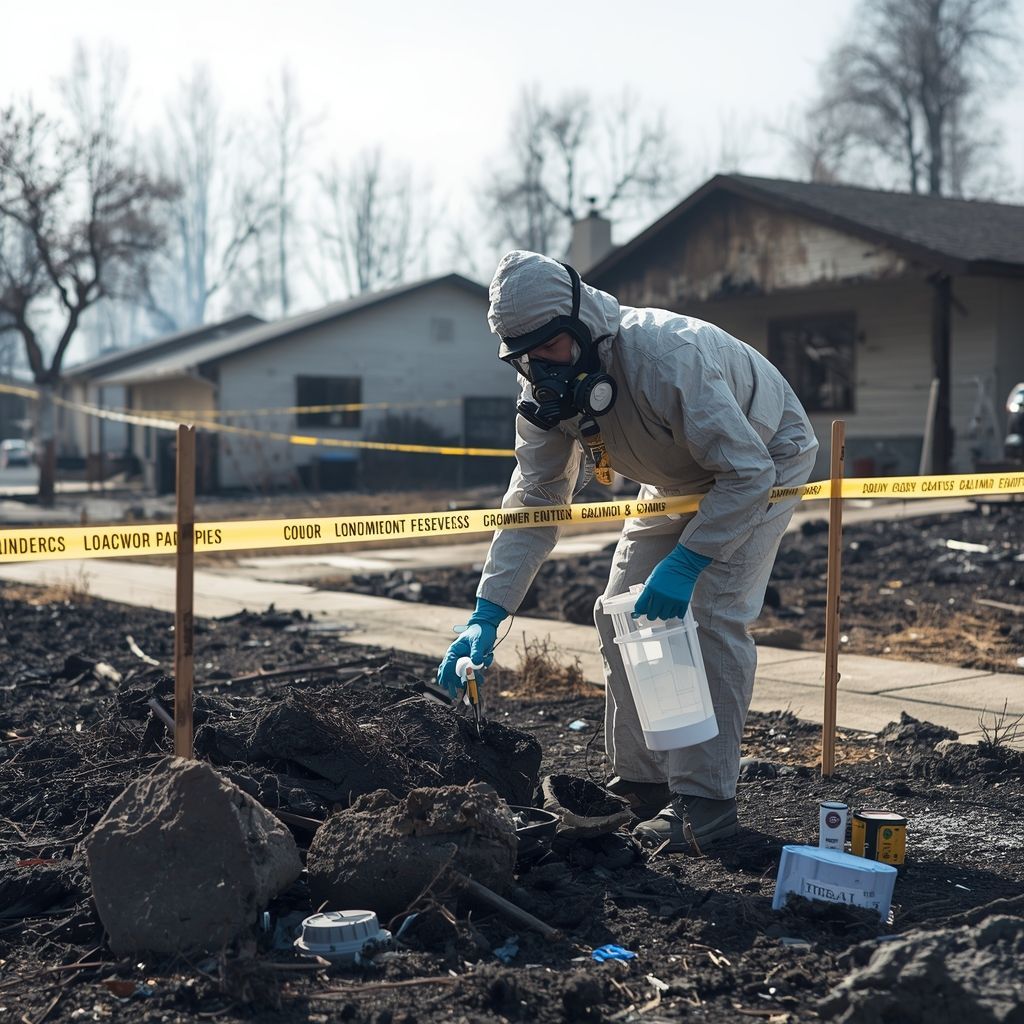
Post-fire duct testing is a specialized process used to evaluate the true condition of your ventilation system. Professionals use a combination of air quality monitoring, surface sampling, and visual inspections using high-tech cameras to see what the naked eye misses.
This intensive process goes much deeper than a general post-fire inspection. A standard building inspector might only look at structural integrity, surface burns, or electrical safety. Duct testing specifically targets the hidden airborne threats that can make a home unlivable.
Testing your system provides several major benefits:
- Identifying hidden contaminants: It reveals exactly what kind of toxic particles are trapped inside your ducts.
- Verifying cleanup effectiveness: It proves whether a recent cleaning job was actually successful or if dangerous residue was left behind.
- Providing peace of mind: It gives you the scientific proof you need to feel safe sleeping in your own home again.
The Remediation Process: Beyond the Visible Damage
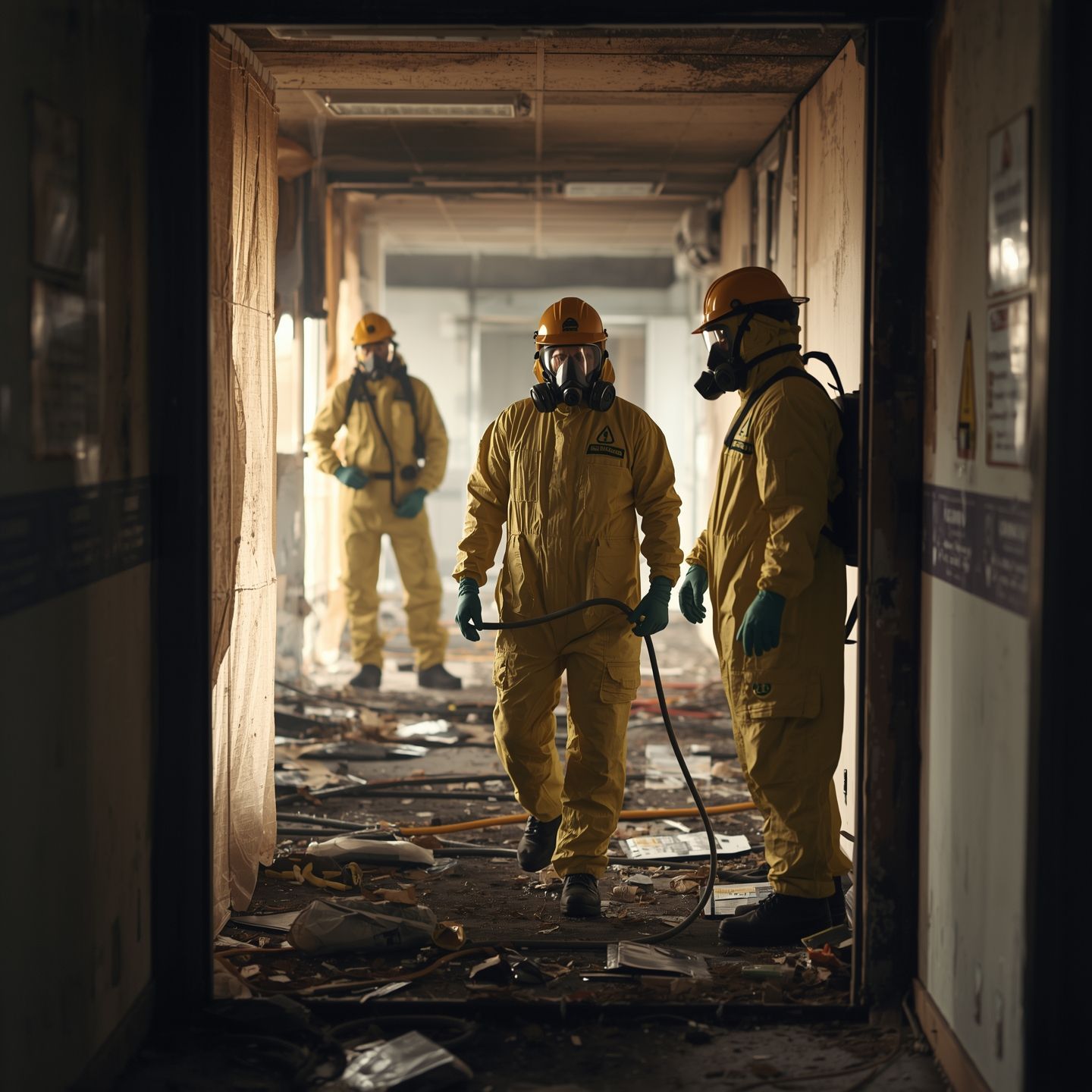
Restoring a property after a fire requires a strict, multi-step approach. Professional fire and smoke damage restoration addresses both the physical structure and the unseen air quality.
Experts use specialized HVAC cleaning techniques designed specifically for stubborn fire residue. High-powered vacuums, pneumatic agitation tools, and custom antimicrobial treatments work together to dislodge and extract soot from the duct walls. This is vastly different from a standard residential duct sweeping.
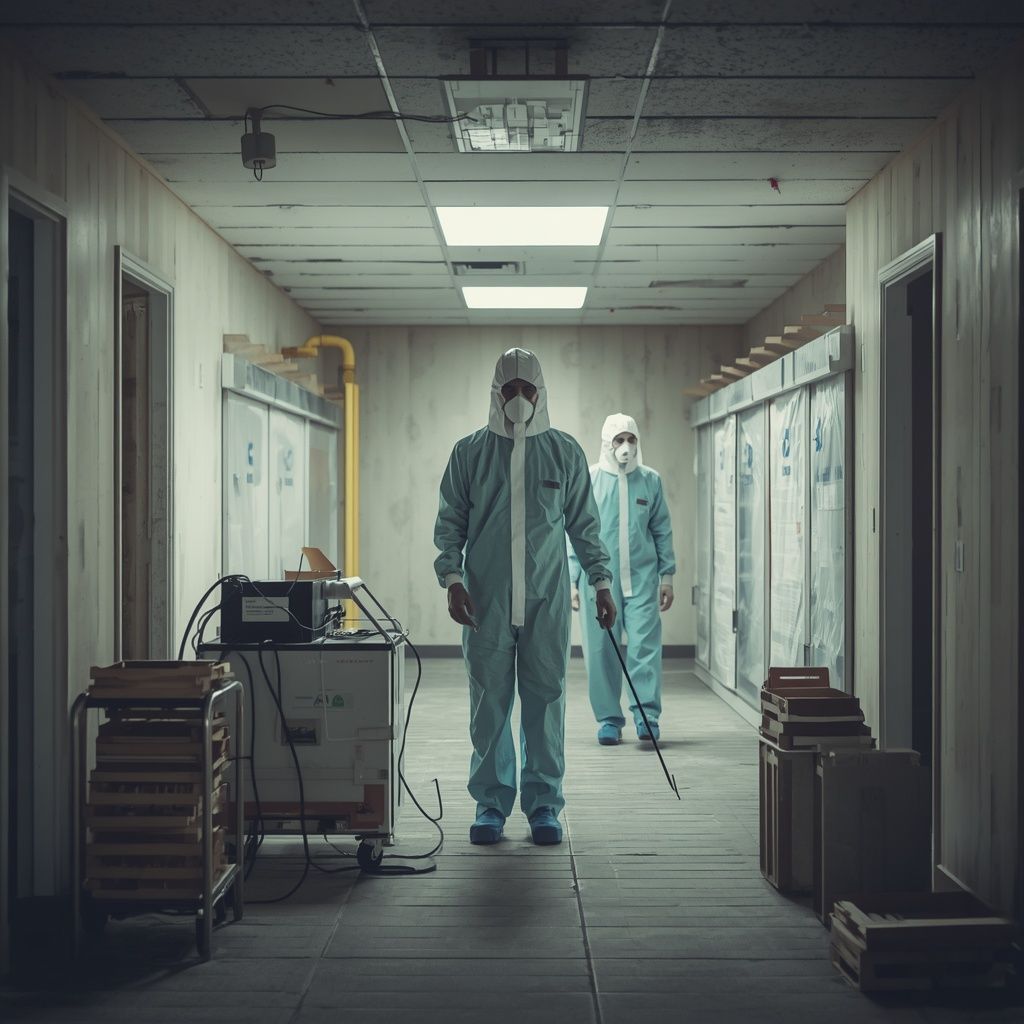
Multi-stage cleaning and heavy-duty air filtration are absolutely vital during this phase. Restoration crews use commercial-grade HEPA air scrubbers to guarantee that any microscopic particles disturbed during the cleaning process are safely captured and permanently removed from your environment.
When to Call the Professionals: Environmental 911's Role
Handling post-fire contamination requires extensive training, certifications, and specialized equipment. Environmental 911 offers comprehensive solutions for property owners facing disaster. We provide top-tier fire damage services Pasadena residents can rely on to restore their homes safely and efficiently.
Our dedicated team handles a wide variety of serious environmental hazards. Along with a rapid emergency fire damage response, we manage related issues that frequently follow a major disaster. For instance, the large volumes of water used to extinguish flames can quickly lead to fungal growth, which is why we also offer expert mold remediation Pasadena CA solutions.
If a damaged structure contains hazardous older building materials, our trained technicians can perform safe asbestos clean-up to keep those fibers out of your lungs. Furthermore, we provide specialized biohazard cleanup Pasadena services for severe contamination scenarios that require the highest level of safety protocols.
Professional expertise is absolutely non-negotiable when dealing with fire residue inside your HVAC system. Amateurs simply lack the diagnostic tools and industrial equipment required to ensure your indoor air is safe to breathe.
Real Scenarios: The Cost of Skipping Duct Tests
Consider a generalized scenario where a homeowner experiences a relatively small kitchen fire. The visible soot is wiped away, the ruined cabinets are replaced, and the walls are repainted. Everything looks perfect. Two months later, the family starts experiencing unexplained coughing fits, eye irritation, and a lingering smoke smell every time the heater turns on. The hidden culprit is toxic soot trapped securely inside the return air ducts.
Neglecting a thorough cleanup always costs more in the long run. The homeowners in this scenario had to pay for a second round of professional cleaning, duct replacement, and unexpected medical bills. Testing your ducts immediately after a fire prevents these expensive and dangerous secondary issues from ever happening.
Protect Your Health and Property Today
Hidden fire residue is a serious threat that can compromise your home long after the flames are extinguished. Your HVAC system can easily become a distribution network for toxic soot, ash, and dangerous chemicals.
Post-fire duct testing is the only reliable way to know if your air is truly safe. By hiring professional remediation services, you guarantee that your home is restored to a healthy, livable condition.
Do not leave your indoor air quality to chance. Protect your health and your property by choosing comprehensive cleanup and diagnostic testing.
Visit
Environmental 911 to schedule an expert inspection and get your life back to normal.