Why Post-Fire Environmental Testing Is Critical: Identifying Heavy Metals, Asbestos, and Toxic Ash After Recent Wildfires
When the flames are finally extinguished, it feels like the danger has passed. But for many homeowners and business owners, the aftermath of a wildfire brings a second, invisible wave of threats. The destruction left behind isn't just charred wood and melted plastic; it is a complex chemical mixture that can linger in the air, soil, and remaining structures long after the smoke clears.
Understanding what lies in the ash is essential for your safety. Without proper identification and removal, families and employees can be exposed to hazardous materials that cause long-term health issues. From heavy metals to microscopic fibers, the debris field is more than just a mess; it is a toxic environment requiring professional attention.
Identifying Hidden Toxic Hazards
The intense heat of a wildfire doesn't just burn organic material; it incinerates synthetic materials found in modern homes, such as electronics, batteries, treated lumber, and insulation. This combustion creates a toxic cocktail of hazardous substances that settle into the ash and soil.
Heavy Metals
Common household items release dangerous heavy metals when burned. You might find elevated levels of lead from old paint or plumbing, mercury from thermostats or electronics, and arsenic from treated wood. These metals do not degrade over time. Instead, they remain in the soil and ash, posing significant risks if inhaled or ingested, particularly for children and pets playing in the area.
Asbestos Exposure
Many older homes contain asbestos in insulation, floor tiles, and siding. When these materials are undisturbed, they are generally safe. However, fire damages the integrity of these materials, releasing microscopic asbestos fibers into the air. Inhaling these fibers can lead to serious respiratory diseases, including lung cancer and mesothelioma. Proper asbestos removal is often a legal and safety requirement before rebuilding can begin.
Toxic Ash and Soot
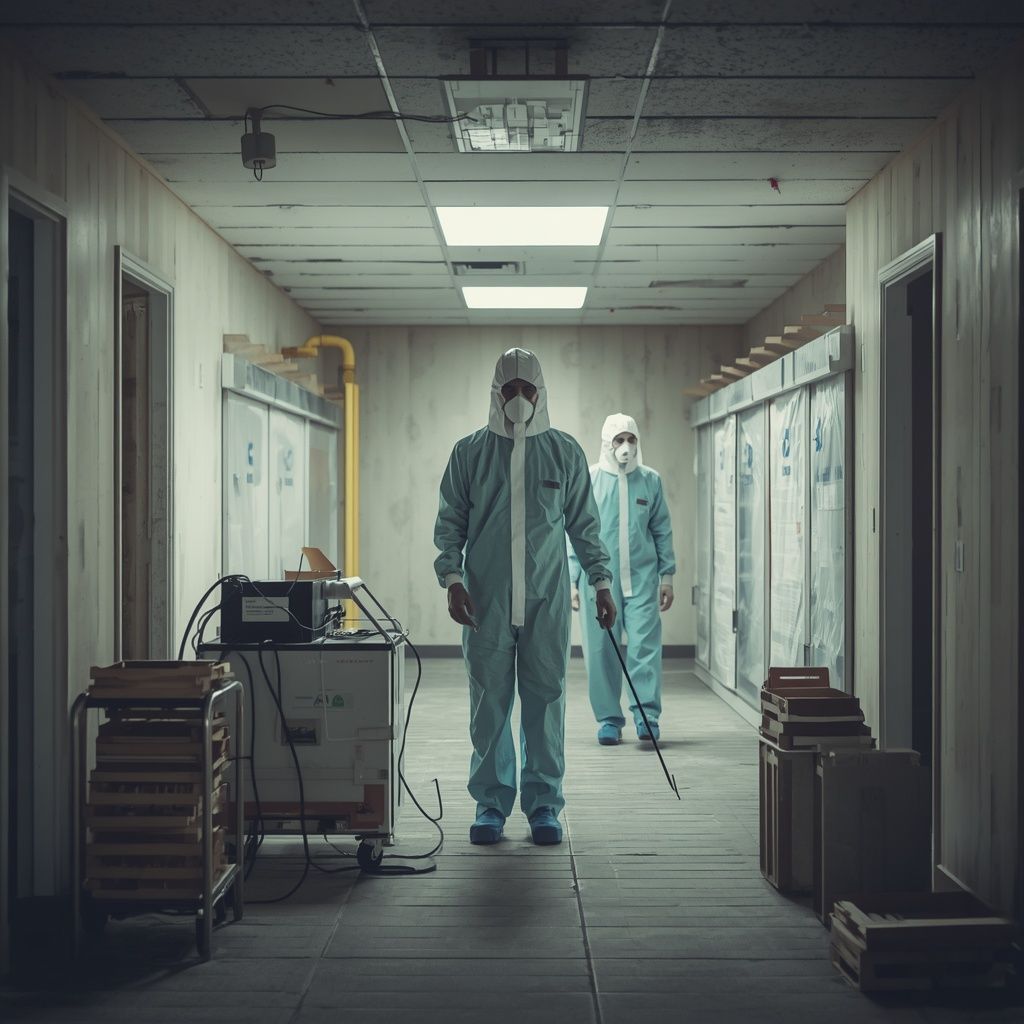
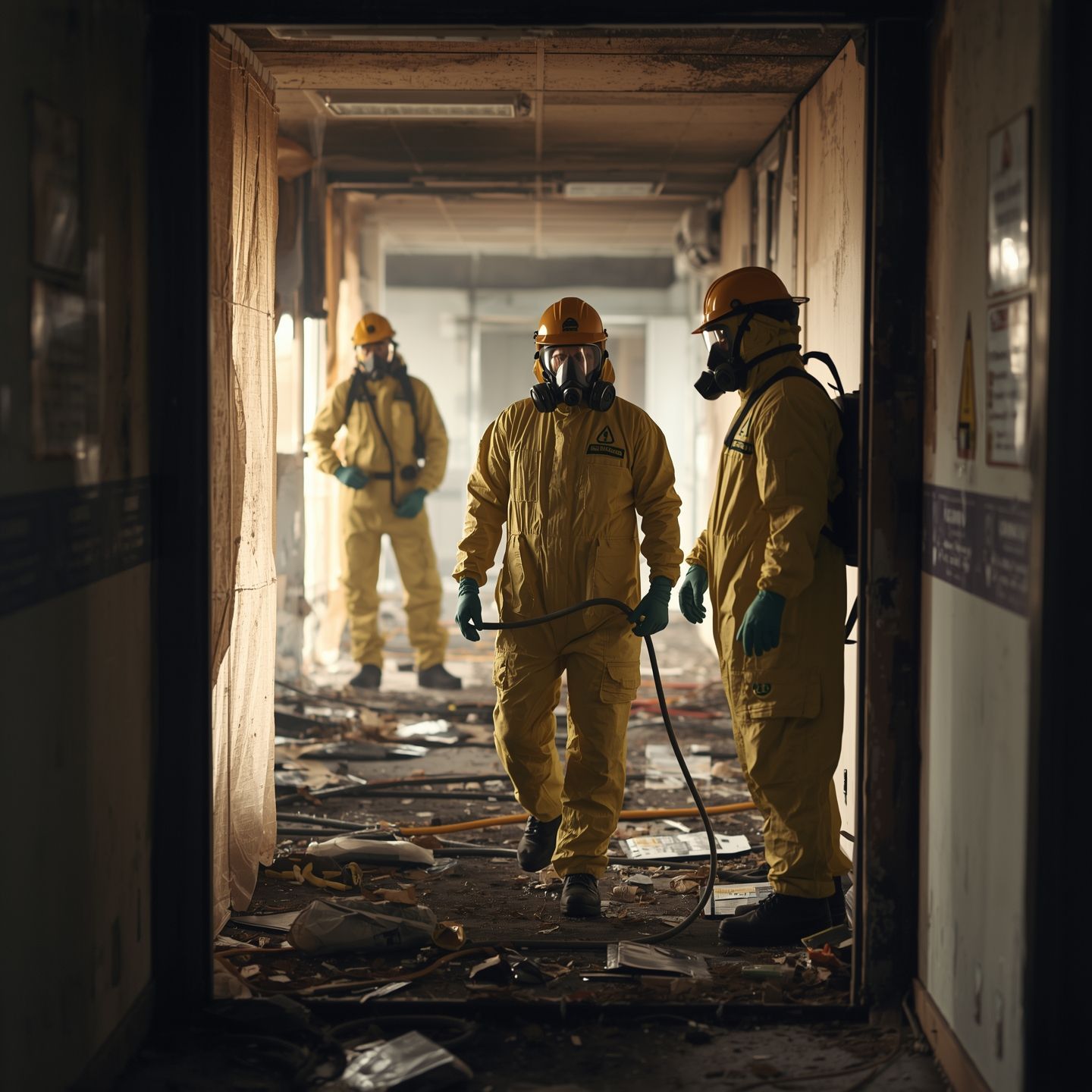
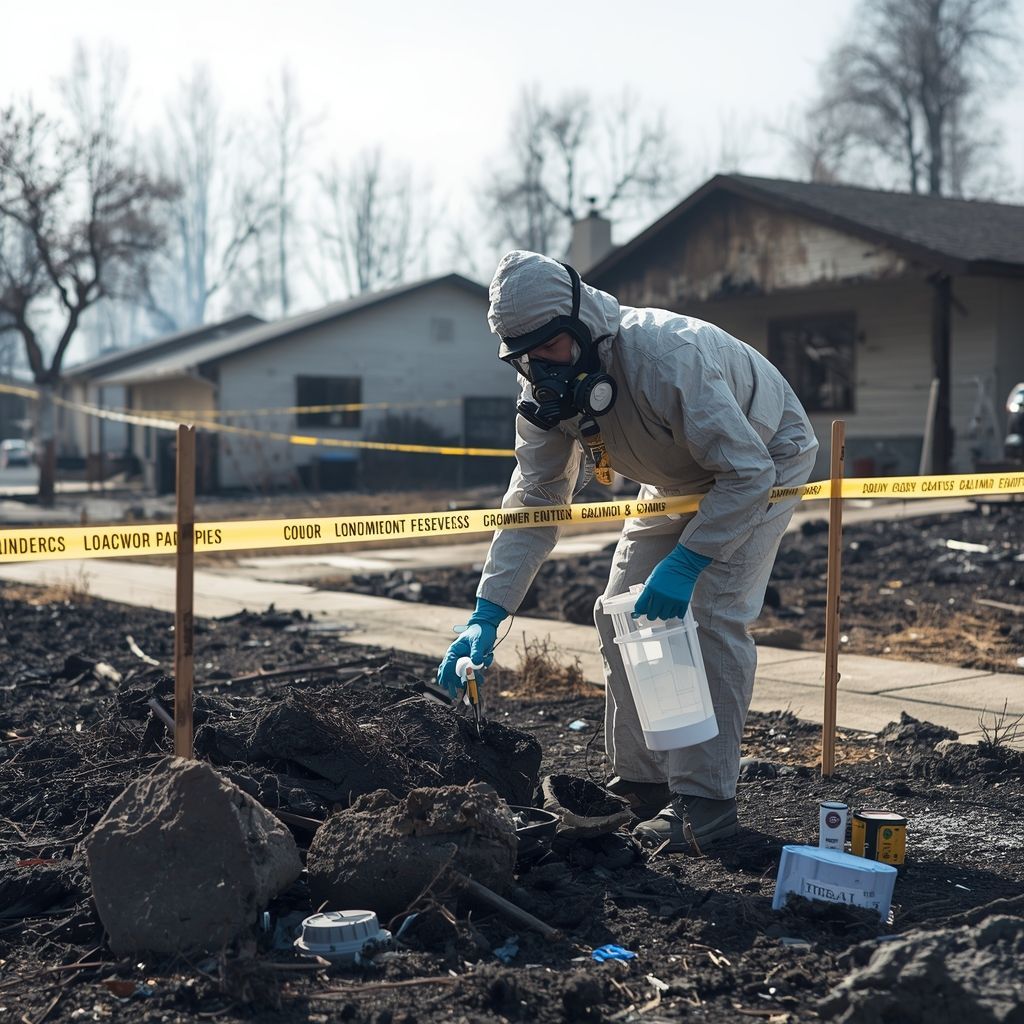
The ash layer itself is often highly caustic. Wetting it down can create a corrosive sludge that burns skin, while dry ash can be easily inhaled deep into the lungs. This toxic ash often contains high concentrations of the heavy metals and chemicals mentioned above, making storm damage cleanup and fire remediation a delicate process that requires specialized protective gear.
Why Professional Testing Matters
In the rush to return to normal, many property owners consider DIY testing kits or attempting cleanup themselves. While well-intentioned, this approach is fraught with risk. Over-the-counter testing kits often lack the sensitivity to detect low-level but potentially hazardous contamination, and they certainly cannot accurately map the extent of the spread across a property.
Furthermore, improper handling of ash and debris can re-aerosolize dangerous particles, spreading contamination to previously safe areas of your property or your neighbors' homes. Professional environmental testing provides a comprehensive analysis of the site. Experts know exactly where to sample and what to look for, ensuring that no hazard goes unnoticed. This documentation is often required by insurance companies and local municipalities before permits for reconstruction are issued.
How Environmental 911 Can Help
Navigating the aftermath of a fire is overwhelming, but you do not have to do it alone. Environmental 911 specializes in comprehensive disaster recovery, offering expertise that goes beyond simple debris removal.
We understand that emergency fire damage response is about more than just hauling away trash; it is about restoring safety. Our team is trained to handle the most hazardous elements of post-fire recovery, including:
- Lead abatement near me: We safely contain and remove lead-contaminated materials.
- Asbestos cleanup: Our certified technicians ensure all asbestos is removed according to strict safety regulations.
- Comprehensive remediation: From mold remediation in Pasadena, CA, to water damage cleanup, we address all secondary issues that arise after fire suppression efforts.
Whether you are dealing with a total loss or partial damage, our goal is to return your property to a safe, livable condition. We also handle complex situations like hoarder cleanup services and biohazard cleanup Pasadena, ensuring every unique challenge is met with professional care.
Securing Your Future Safety
The period following a wildfire is critical. The decisions you make now regarding environmental testing and cleanup will impact the long-term safety of your property and the health of those who occupy it. Ignoring the potential for toxic ash, asbestos, and heavy metals is a gamble not worth taking.
Don't wait until the dust settles to find out what is in it. Ensure your property is truly safe for rebuilding and reoccupancy by relying on certified professionals who understand the science of safety. For expert assessment and peace of mind, contact the team at Environmental 911 today.