How Wildfire Smoke and Ash Can Affect Commercial Buildings and Workplaces

June 12, 2026
How Wildfire Smoke and Ash Can Affect Commercial Buildings and Workplaces

Wildfire smoke and ash carry toxic particulates that degrade indoor air quality, corrode commercial HVAC systems, and damage sensitive electronics. Professional remediation by Enviro911 is necessary to safely remove volatile organic compounds, neutralize odors, and help return the property to a safe working condition. 


The frequency and intensity of wildfires continue to increase across the country, creating major challenges for business owners. While direct flames pose an obvious and terrifying threat, the lingering smoke and ash often cause severe, overlooked harm to commercial properties. When toxic soot infiltrates a workplace, it compromises employee health, ruins expensive equipment, and forces unexpected operational shutdowns.


Understanding how these airborne pollutants interact with your building materials is the first step in mitigating disaster. Companies looking for comprehensive fire damage services in Pasadena trust Enviro911 to neutralize persistent odors and prevent secondary property damage. 

This guide explores the immediate and long-term impacts of wildfire smoke, along with actionable steps to protect your commercial space.


What toxic components make up wildfire smoke and ash?

Wildfire smoke contains a complex mixture of harmful particulates, gases, and volatile organic compounds (VOCs). These microscopic particles easily bypass standard commercial air filters. Ash from burned vegetation and structures differs significantly from typical office dust. It carries highly corrosive properties that react with ambient moisture to eat away at building materials.


Employees and customers exposed to these contaminants face serious respiratory risks, severe eye irritation, and potential long-term health complications. The toxicity levels depend heavily on what burned in the fire, making professional testing incredibly important.


How does wildfire smoke immediately impact commercial buildings?


How does poor air quality degrade indoor office spaces?

Smoke quickly infiltrates HVAC systems, spreading dangerous particulates throughout the entire office or retail space. This rapid air quality degradation requires immediate attention to protect staff well-being and maintain a breathable environment.


What happens when ash and soot contaminate building surfaces?

Soot residue settles heavily on interior and exterior surfaces, creating a thick, toxic film. This surface contamination ruins paint, stains textiles, and requires specialized cleaning protocols to remove safely.


Why do persistent smoke odors disrupt business operations?

Smoke odors embed themselves deeply into porous materials like office furniture, carpets, and ventilation shafts. These lingering smells make the work environment completely unwelcoming, leading to reduced productivity, staff absences, and a direct loss of revenue.


Can wildfire ash cause structural and mechanical damage?

The highly acidic nature of wildfire ash causes rapid corrosion on metal surfaces, heavy machinery, and sensitive electronics. This structural damage worsens exponentially if the ash is left sitting on surfaces for extended periods.


What are the long-term consequences of hidden wildfire damage?


How does soot corrosion affect commercial HVAC systems?

Without proper deep cleaning, soot accelerates wear and tear on complex HVAC components. This reduces overall heating and cooling efficiency while driving up costly repair bills for the property manager.


Why do electronic systems fail after smoke exposure?

Microscopic ash particles carry slight electrical charges that short-circuit enterprise servers and office computers. This electronic system failure often results in devastating data loss for the organization.


How do water leaks and smoke lead to mold and mildew growth?

During the firefighting process, buildings often absorb massive amounts of moisture. This moisture creates an ideal breeding ground for aggressive fungal growth. If you notice signs of fungal spread, contacting specialists for mold remediation Pasadena, CA becomes a top priority. Furthermore, seeking immediate mold removal Pasadena, CA prevents massive secondary damage to the building envelope.


What are the insurance and liability issues?

Unresolved smoke damage leads to heavily complicated insurance claims and potential health complaints from employees. Thorough documentation and professional cleanup help mitigate these serious liability risks.


How can you protect your commercial property before a wildfire?

Proactive measures save business owners significant time and money. Consider implementing these protective steps before a crisis occurs:

  • Upgrade HVAC system filtration to trap fine particulates effectively.
  • Seal fresh air intakes during active fire events nearby.
  • Inspect the building envelope regularly to seal gaps around windows and doors.
  • Develop clear emergency response and evacuation plans for all staff members.
  • Review commercial insurance policies to ensure you have adequate coverage for smoke damage.


Why is professional remediation critical after wildfire damage? 

Removing toxic soot requires much more than standard janitorial work. Do-it-yourself cleaning methods often push contaminants deeper into porous surfaces, making the problem worse. Certified technicians use specialized equipment like high-efficiency particulate air vacuums, ozone generators, and thermal foggers.


A professional emergency fire damage response team will meticulously decontaminate ducts, coils, and filters. They also salvage affected inventory and important business documents. Companies looking for comprehensive fire damage services in Pasadena trust Enviro911 to neutralize persistent odors and prevent secondary property damage. In cases where extreme contamination occurs, teams trained in biohazard cleanup Pasadena handle the safe removal of dangerous materials.


Protect Your Business with Professional Environmental Cleanup 

Wildfires inflict severe, lasting damage on commercial properties long after the flames extinguish. Proper preparedness and rapid, professional remediation remain vital for protecting your investments and your workforce. When disaster strikes, partnering with a reliable water damage company and emergency fire damage response team can significantly reduce downtime and limit further damage. 


Environmental 911 brings years of experience, advanced technology, and vital certifications to every commercial environmental cleanup project.


Contact Enviro911 to schedule a comprehensive property assessment today.
By 623a5ea7ba8210a856c36b7f • November 20, 2026
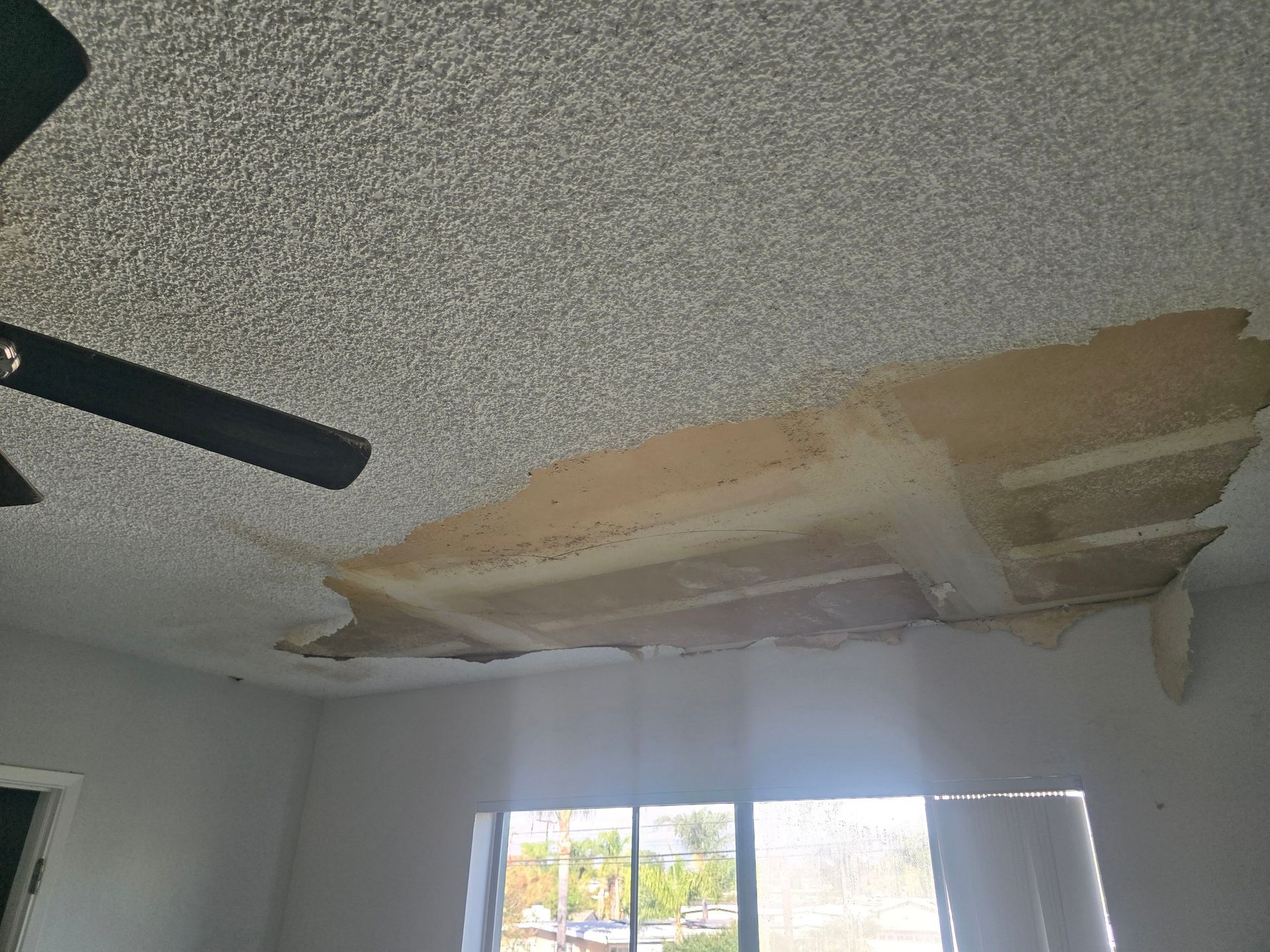
When rain finally arrives in Southern California, it can reveal problems a home may have been hiding all year.  A roof leak, poorly sealed window, overflowing rain gutter, drainage problem, or small opening in a home's exterior may let water into places you cannot easily see. And just because the rain stops - or the visible water dries - doesn’t always mean the problem is gone. Moisture can remain behind walls, under flooring, inside ceilings, or in other hidden areas of a property. If you don’t identify the source and the affected materials don’t dry properly, lingering moisture can cause further property damage and create conditions where mold can grow. Knowing what to look for after a Southern California rainstorm can help you catch a problem before it becomes much larger. Here are seven signs of hidden water damage homeowners should pay attention to. 1. Water Stains on Walls or Ceilings One of the easiest signs to recognize is discoloration on a wall or ceiling. Water stains may appear yellow, brown, or darker than the surrounding surface. You may notice a small spot after a storm that gradually becomes larger or returns every time it rains. Even if the area feels dry later, a recurring stain can indicate that water is entering somewhere above or behind the visible surface. Possible sources can include: Roof leaks Damaged flashing Poorly sealed windows Plumbing leaks Water entering around exterior walls The stain may only show you where the water ended up - not necessarily where it originally entered - so finding the actual source is important. 2. Bubbling, Peeling, or Warped Paint and Drywall Paint that begins bubbling, peeling, cracking, or separating from the wall can be another clue that moisture is present underneath. Drywall can also begin to soften, swell, warp, or lose its shape after absorbing water. These changes may appear around: Windows and doors Ceilings Baseboards Exterior-facing walls Bathrooms or kitchens Areas below a roof or second-story leak Covering the area with new paint won’t solve the problem if moisture is still present behind the surface. The water source needs to be found and corrected first. 3. A Musty or Unusual Odor Sometimes you can smell a moisture problem before you can see one. A persistent musty, earthy, or damp smell—especially after rain—may indicate moisture or microbial growth in an area that isn’t visible. Pay particular attention to odors coming from: Closets Cabinets Crawl spaces Carpeted rooms Areas around baseboards Rooms that share an exterior wall Spaces underneath sinks Areas that have experienced water damage in the past If a musty smell keeps returning even after cleaning, it may be worth investigating what’s happening behind or underneath the visible surfaces. 4. Warped or Buckling Flooring Water doesn’t always stay where it first enters a home. It can travel underneath flooring and become trapped, particularly when a leak or water intrusion isn’t discovered right away. Depending on the type of flooring, you might notice: Wood or laminate beginning to buckle Flooring separating at the seams Tiles becoming loose Carpet feeling damp Discoloration near the edges of a room Baseboards swelling or pulling away from the wall Changes in flooring after heavy rain shouldn’t automatically be dismissed as normal wear. They may be pointing to moisture underneath. 5. Damp Baseboards, Walls, or Carpet After the Rain Has Stopped After a storm passes, walk through areas of the home that are most likely to experience water intrusion. Check around windows, exterior doors, lower walls, sliding doors, fireplaces, and areas where the property has experienced leaks before. A surface that remains damp, cool, or unusually soft after the rest of the home has dried may deserve a closer look. Water can also move beyond the location where it originally entered, which is why the visible wet area may represent only part of the problem. Professional water-damage assessment and water extraction can help determine how far moisture has traveled and what materials have been affected. 6. Mold or New Discoloration Appearing After a Storm Mold needs moisture to grow, which is why water intrusion and mold problems often go hand in hand. You might notice: New dark or discolored spots on walls or ceilings Growth around windows Spots near baseboards Discoloration under sinks or inside cabinets Mold around an area that was recently wet Growth appearing in a crawl space or other poorly ventilated area Mold may also be hidden behind drywall, wallpaper, flooring, carpeting, paneling, or other building materials. Simply cleaning the visible surface doesn’t address a moisture problem behind it. Identifying and correcting the water source is an important part of properly addressing mold and preventing the same issue from returning. 7. The Same Area Has a Problem Every Time It Rains This may be the biggest clue of all. If you repeatedly notice a stain, damp smell, wet carpet, dripping window, damp wall, or pooling water in the same location whenever Southern California gets heavy rain, the problem probably deserves more than another towel and a fan. Recurring water intrusion can indicate an unresolved issue involving the roof, windows, exterior walls, drainage, plumbing, or another part of the property. Repeatedly drying the visible area without addressing the source can allow damage to continue behind the scenes. Why Hidden Moisture Matters Water damage isn’t always dramatic. Sometimes there isn’t a flooded room or water pouring through the ceiling. A slow leak or small amount of repeated water intrusion can still affect drywall, insulation, flooring, wood, and other materials over time. That is why one of the most important steps after discovering water damage is determining: Where did the water come from, where did it travel, and what is still wet? At Environmental 911, the process begins by identifying the source of the damage and evaluating the affected areas. Depending on the situation, water extraction, drying, removal of damaged materials, mold remediation , or additional cleanup may be necessary to properly restore the space. What Should You Do If You Find Water Damage After Rain? If you notice signs of water intrusion after a storm, don’t ignore them simply because the weather has cleared. Start by looking for the obvious source if it can be done safely. Avoid disturbing visibly moldy or heavily damaged building materials, and don’t assume that a surface is completely dry simply because it looks dry from the outside. For larger water losses, recurring leaks, sewage-contaminated water, significant mold growth, or moisture that may have traveled into walls or flooring, professional help may be appropriate. The goal isn’t simply to make the water disappear. It’s to understand what happened, stop the source, dry or remove affected materials as needed, and address any damage that may have developed. Southern California Rain Doesn’t Have to Become a Bigger Property Problem Rainy days may be fewer in Southern California than in other parts of the country, but when storms arrive, they can expose weaknesses in a property that haven’t been noticeable during the dry months. A small stain, musty smell, warped baseboard, or damp section of flooring may be your home’s way of telling you something needs attention. Finding water damage early can make it easier to address the source and prevent the problem from continuing. Environmental 911 provides professional water extraction, flood cleanup, mold remediation, and environmental cleanup services for homes and businesses in Pasadena and surrounding Southern California communities. If you’ve noticed water damage, hidden moisture, or signs of mold after the rain, contact Environmental 911 to have the affected area evaluated and determine the appropriate next steps.
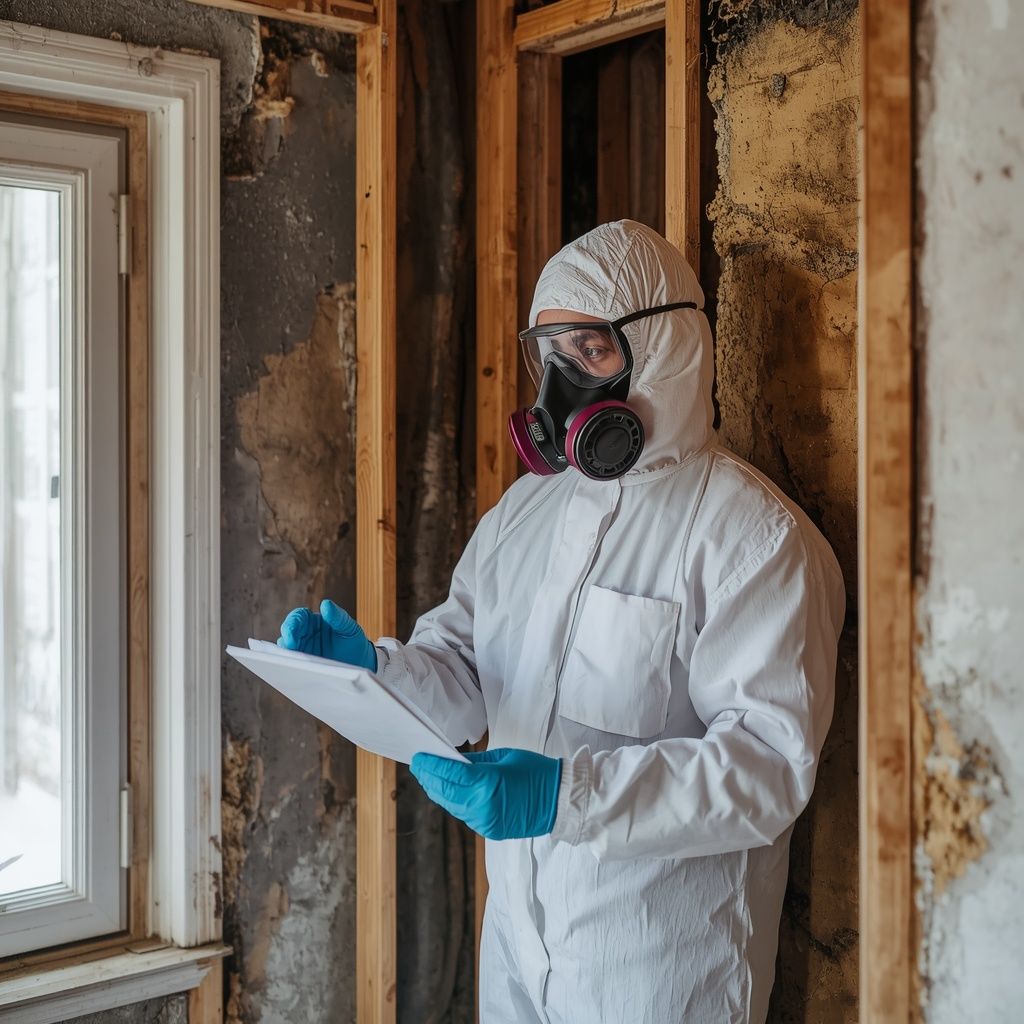
Asbestos removal professional wearing protective coveralls, respirator, and gloves while inspecting
October 20, 2026
Learn the six types of asbestos, where we’re commonly found & the health risks of exposure. Know when to call professionals for safe removal & remediation. Read more!
Professional technician performing fire and smoke damage cleanup
September 10, 2026
Learn why smoke odors linger after fire cleanup and how professional cleaning addresses smoke trapped in walls, HVAC systems, fabrics, and more.
Professionals performing asbestos clearance testing in a commercial building
August 17, 2026
Understand the EPA AHERA clearance standard for asbestos abatement, testing requirements, and compliance steps that every property owner should know. Read more!
Environmental technician conducting indoor air quality testing in a home after nearby wildfire smoke
July 15, 2026
Should you test your indoor air after a nearby wildfire? Learn how wildfire smoke affects your home and when professional indoor air quality testing is necessary.
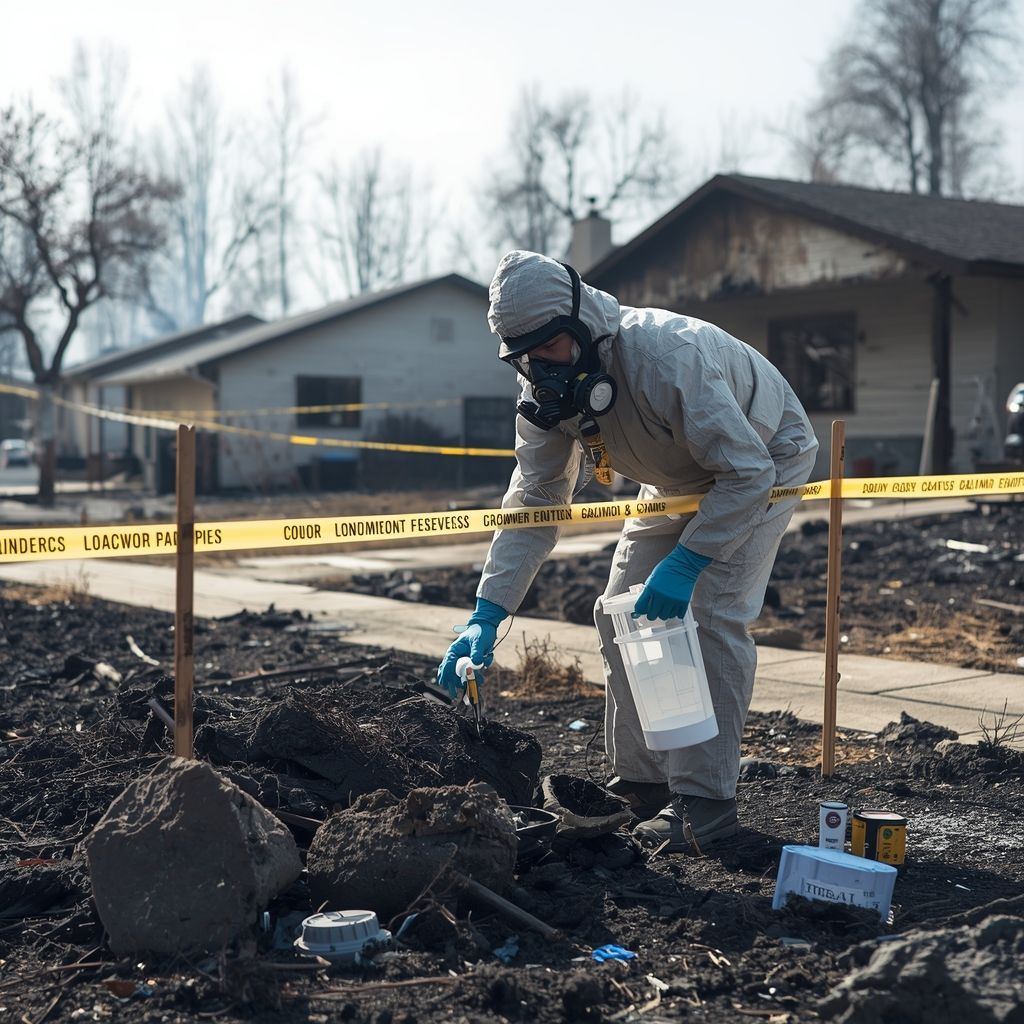
Workers in protective gear cleaning wildfire ash and debris outside a fire-damaged home.
May 13, 2026
Learn about the biggest and most common mistakes people make when cleaning up after a wildfire. This guide will help you understand what to avoid to ensure your safety.
Environmental technician inspecting HVAC ductwork for hidden fire residue and soot contamination
April 14, 2026
Soot and ash can linger in HVAC systems after a fire, posing health risks. Discover why post-fire duct testing is crucial for ensuring a safe, clean environment.
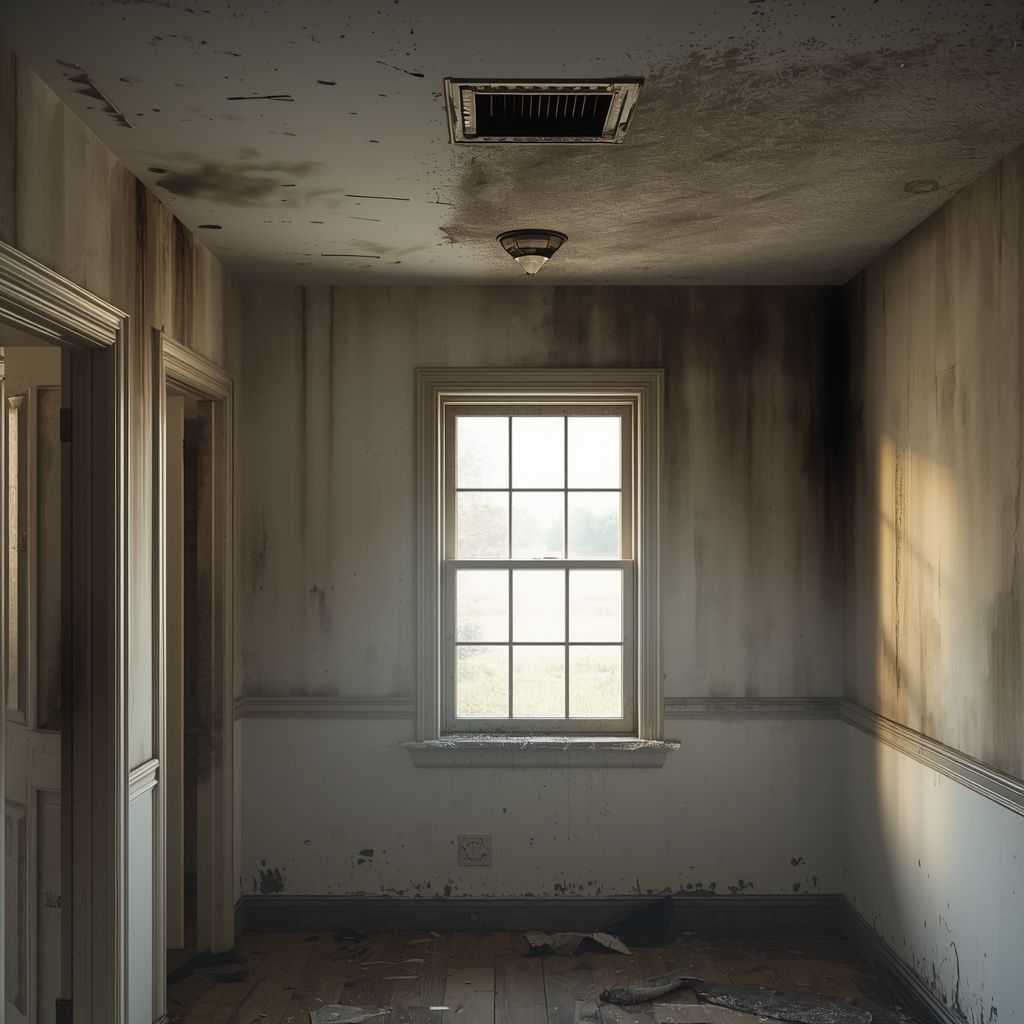
Fire-damaged room after cleanup showing soot stains on ceiling and walls with lingering toxic fire
March 12, 2026
How can you tell if toxic fire residue is still in your home after a cleanup? Learn the common signs to look for and ensure your property is completely safe. Read more!
Environmental testing technician in full protective hazmat suit collecting soil and ash samples
February 12, 2026
Discover why post-fire environmental testing is vital after wildfires. Identify toxic ash, heavy metals, and asbestos to protect health and ensure safe cleanup and recovery.
January 15, 2026
Discover hidden health risks from heavy metals after wildfires. Learn how toxic particles can settle in your home & steps to protect your family and indoor air quality.