Should You Test Your Indoor Air After a Nearby Wildfire?

Yes. Even if your home looks clean and the smoke smell has faded, wildfire smoke can leave behind harmful particles and toxic compounds that linger indoors for weeks. Testing your indoor air quality after a nearby wildfire is one of the most crucial steps you can take to safeguard your health and home.
Wildfires are becoming more frequent and more destructive. According to the National Interagency Fire Center, the United States experienced over 56,000 wildfires in 2023 alone, which burned more than 2.7 million acres. Even homes miles from the fire line are not safe from the effects. Smoke travels fast, and it brings a toxic mix of particles and gases that can seep into your living space without any visible warning.
Most people assume that once the smoke clears outside, the air inside is safe again. That assumption can be dangerous. Wildfire smoke infiltrates homes through small gaps in windows, doors, and HVAC systems, and it doesn't just disappear when the air outside improves. Understanding what's in that smoke, how it affects your health, and when to call in professionals can make a real difference.
This guide walks you through everything you need to know about indoor air quality testing after a wildfire, from the contaminants to watch for to the steps you can take to protect your family.
What's Actually in Wildfire Smoke?
Wildfire smoke is a complex mixture of gases and fine particles. It's not just burning wood. Modern wildfires burn through homes, vehicles, synthetic materials, and treated lumber, releasing a wide range of hazardous substances.
The key contaminants include:
- Particulate matter (PM2.5 and PM10): These are tiny airborne particles that can travel deep into the lungs. PM2.5 particles are especially dangerous because they're small enough to enter the bloodstream.
- Toxic gases: Carbon monoxide, formaldehyde, and benzene are commonly found in wildfire smoke. Benzene, in particular, is a known carcinogen.
- Heavy metals: Depending on what burned nearby, smoke can carry arsenic, lead, and mercury into the air.
- Volatile organic compounds (VOCs): These are released from burning synthetic materials and can persist indoors long after the fire is out.
According to the U.S. Environmental Protection Agency (EPA), wildfire smoke is one of the most significant contributors to poor air quality in the country, and its health effects can last well beyond the fire itself.
How Does Wildfire Smoke Get Into Your Home?
A common misconception is that staying indoors offers complete protection. It helps, but it's not a perfect solution.
Smoke infiltrates homes through:
- Gaps around windows and doors that aren't fully sealed
- HVAC systems that pull in outside air
- Attic vents and crawl spaces
- Any openings around pipes or electrical fittings
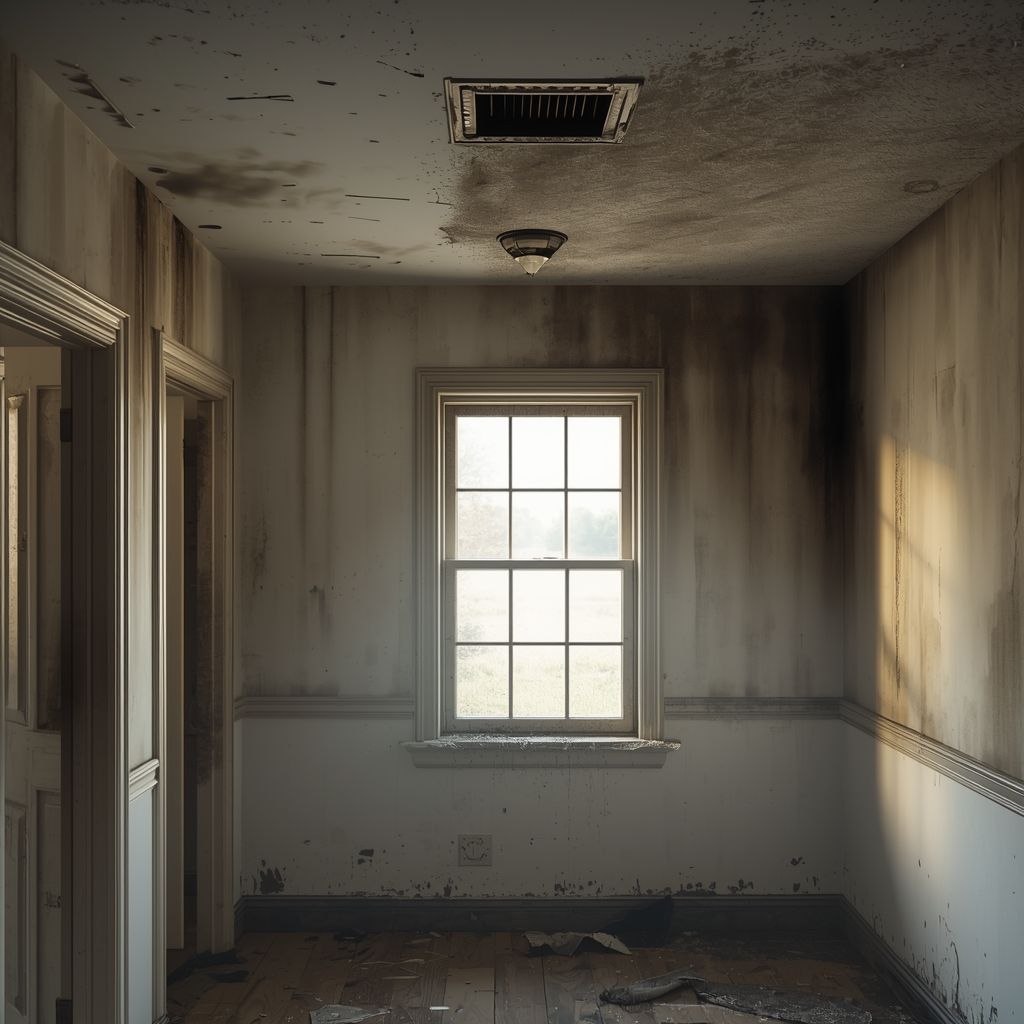
Once inside, smoke particles settle on surfaces, embed in fabrics, and linger in HVAC ducts. Even after the smell fades, particles can remain suspended in the air or resting on furniture, carpets, and walls. Secondary chemical reactions can also occur indoors, where smoke compounds interact with cleaning products or household materials to form new irritants.
What Are the Health Risks of Indoor Smoke Exposure?
Short-term exposure to wildfire smoke can cause:
- Respiratory problems: Coughing, wheezing, and worsened asthma or bronchitis
- Eye and throat irritation
- Headaches and dizziness
- Cardiovascular strain, particularly in older adults
Long-term or repeated exposure carries more serious risks. Research from the American Lung Association links sustained exposure to PM2.5 with increased rates of lung disease, heart disease, and premature death. Children, elderly individuals, and people with pre-existing respiratory or cardiovascular conditions face the greatest risk.
The troubling part is that symptoms don't always appear immediately. Someone might feel fine for days before noticing health effects, by which point exposure may have already caused harm.
Why Testing Indoor Air Quality After a Wildfire Matters
Visual inspections aren't enough
You might wipe down surfaces, open windows, and run fans for a few days. The home might look and even smell fine. But visible cleanliness doesn't reflect air quality. Microscopic particles can remain suspended in the air or hidden in soft materials long after a surface-level clean.
A professional air quality test measures what you can't see. It provides actual data on particle levels, VOC concentrations, and the presence of specific toxins, giving you a clear picture of whether your home is safe.
Protecting vulnerable household members
For families with young children, elderly residents, or anyone with asthma, allergies, or heart conditions, the stakes are higher. These groups are far more susceptible to the effects of lingering smoke particles. Testing provides confidence that the air they're breathing meets safe standards, rather than leaving it to guesswork.
Verifying that cleanup worked
After initial cleaning efforts, testing confirms whether those efforts were effective. It also helps identify areas that still need attention, whether that's the HVAC system, specific rooms, or soft furnishings that absorbed a heavy smoke load.
Preventing long-term property damage
Smoke is corrosive. Particles that settle into walls, ductwork, and building materials can cause ongoing degradation and persistent odors. Catching this early through testing prevents minor issues from becoming major ones.
When Should You Test, and What Does It Involve?
When to test
The right timing depends on your situation, but consider testing:
- After the visible smoke has cleared from the outdoor environment
- After completing the initial cleaning of surfaces and running air purifiers
- If anyone in the home is experiencing persistent symptoms like coughing or headaches
What professionals measure
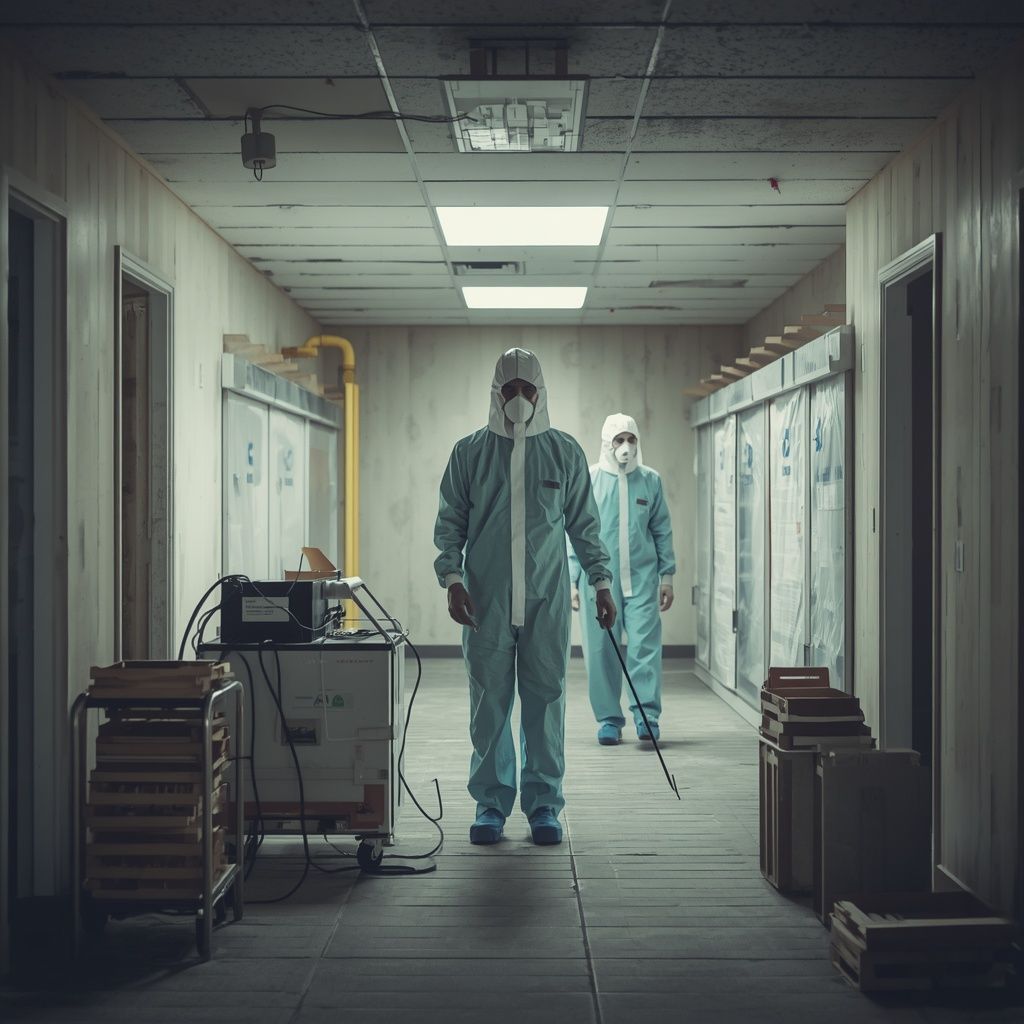
A qualified indoor air quality tester will typically assess:
- Particulate matter levels (PM2.5 and PM10)
- VOC concentrations
- Carbon monoxide and formaldehyde levels
- Specific toxic substances based on what burned nearby
Testing methods used
Professionals use a combination of:
- Air sampling: Collecting air samples and analyzing them in a lab
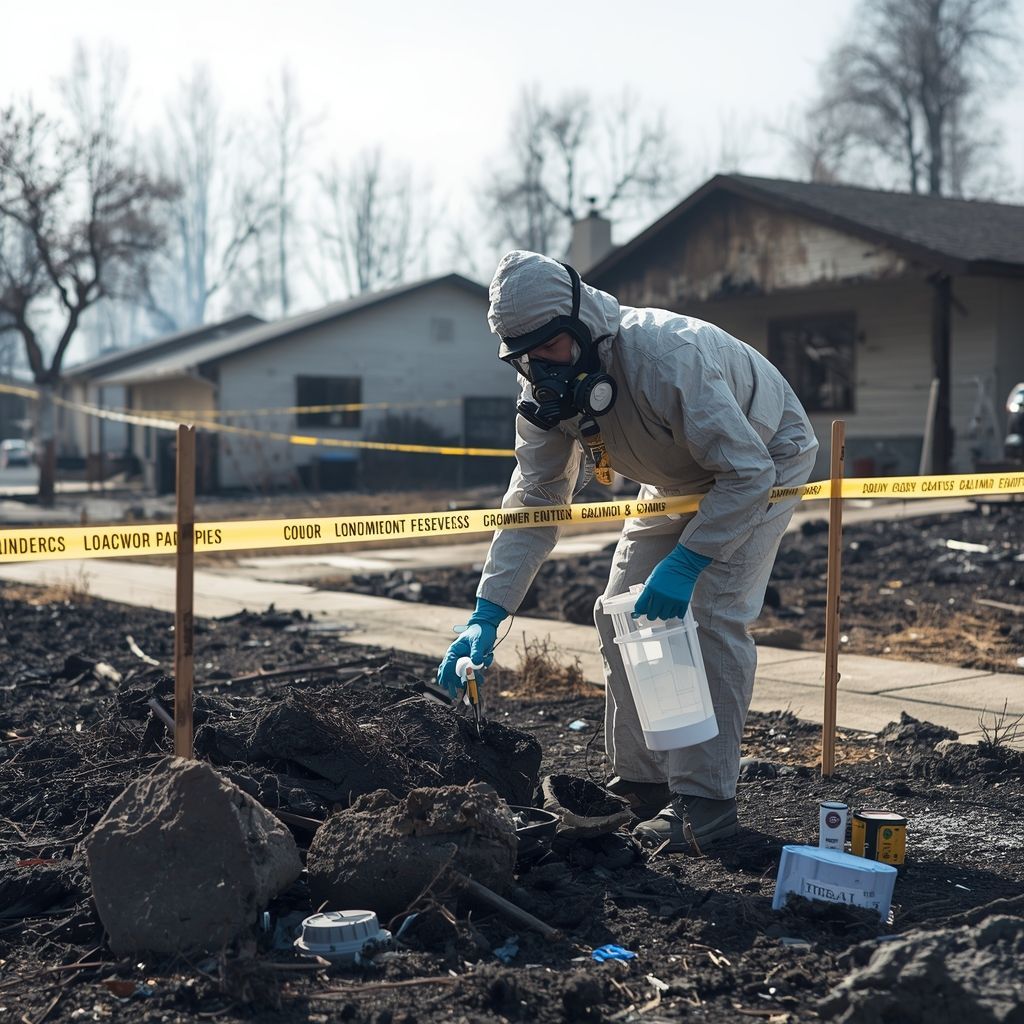
- Surface testing: Swabbing surfaces to detect settled particles or chemical residue
- Real-time monitoring equipment: Tools that measure air quality on-site and provide immediate readings
Protect What Matters Most
After a nearby wildfire, it's easy to focus on what you can see. Checking for damage outside, cleaning visible soot, and airing out the house all feel productive. But indoor air quality is invisible, and that's exactly why it's easy to overlook.
Testing your air gives you facts, not assumptions. It tells you whether your home is safe, where problems remain, and what steps to take next. For families with children, elderly relatives, or anyone with health vulnerabilities, that clarity is invaluable.
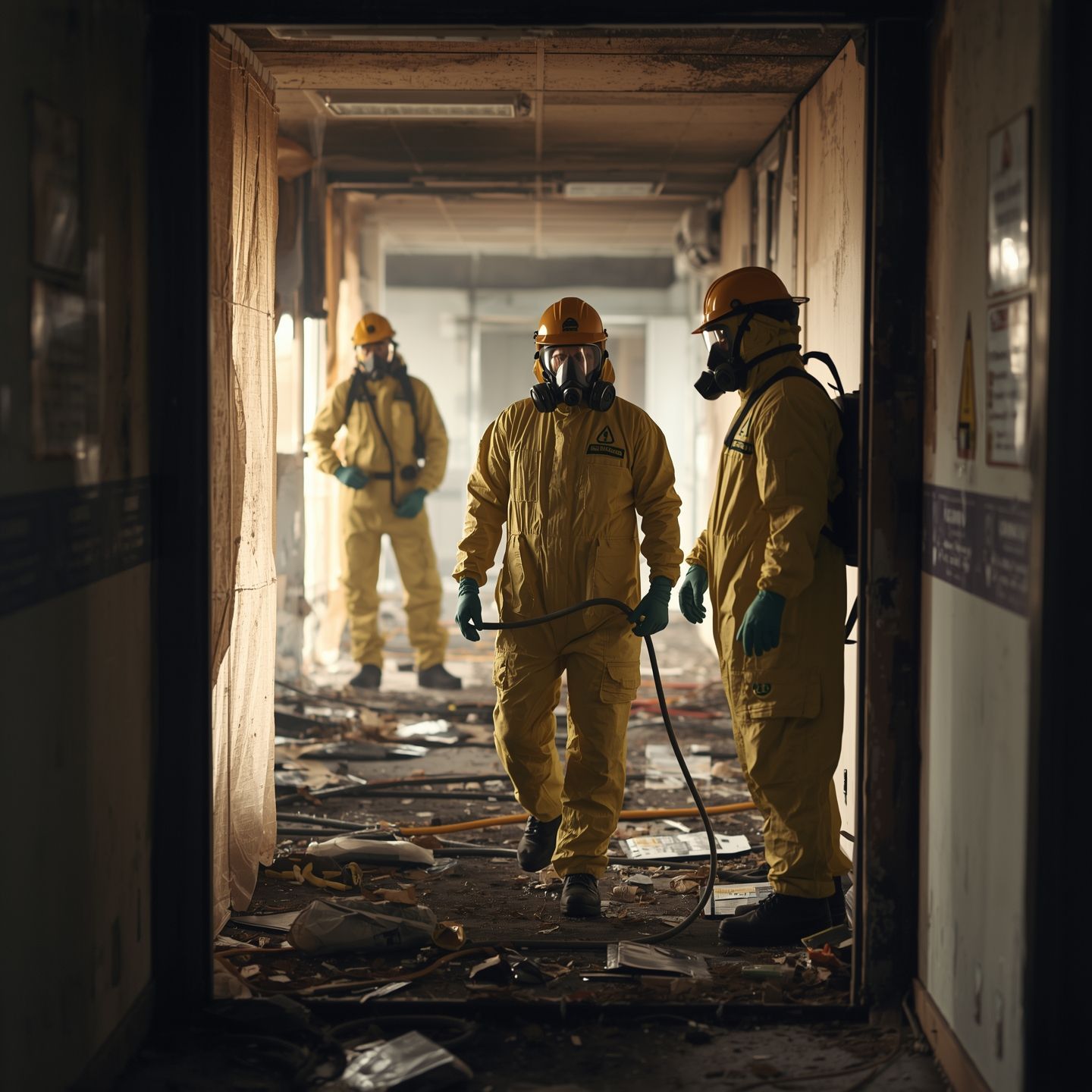
If you're concerned about the air quality in your home following a wildfire, or if you need expert help with fire and smoke damage, mold, water damage, or environmental cleanup, the team at Environmental 911 is ready to assist.
You can call
(626) 316-6651
to learn more about available services and get the help your property needs.