Can Smoke Odors Remain After Fire Cleanup? Causes and Solutions

Yes, smoke odors can linger long after visible fire damage cleanup is finished. This happens because smoke particles penetrate porous materials like drywall, insulation, and carpeting, and can settle deep within HVAC systems. Professional fire and smoke damage cleanup uses specialized equipment such as air scrubbers, thermal fogging, and ozone treatment to neutralize odors at the source rather than simply masking them.
If you have ever walked back into a home or business after a fire, only to find that a stubborn smoky smell refuses to go away, you are not alone. It is one of the most common and frustrating challenges property owners face during fire damage cleanup. Even after the soot has been wiped away and the debris hauled off, that lingering smell can serve as a constant, unwelcome reminder of what happened.
This persistent odor is not just an inconvenience. It can affect indoor air quality, make a space feel unlivable, and even signal that hidden damage still needs attention. Understanding why smoke smells stick around, where they hide, and how professionals tackle them can help you make informed decisions about restoring your property.
Why Do Smoke Odors Persist After Fire Cleanup?
Smoke behaves very differently than most people expect. It is not just a visible cloud that disappears once the fire is out. Smoke is made up of microscopic particles and gases that travel through the air and settle into nearly every surface they touch.
Here is why these odors are so difficult to eliminate:
- Porous materials absorb smoke. Drywall, insulation, carpeting, upholstered furniture, and even wood framing act like sponges for smoke particles. Once absorbed, the odor becomes embedded rather than sitting on the surface.
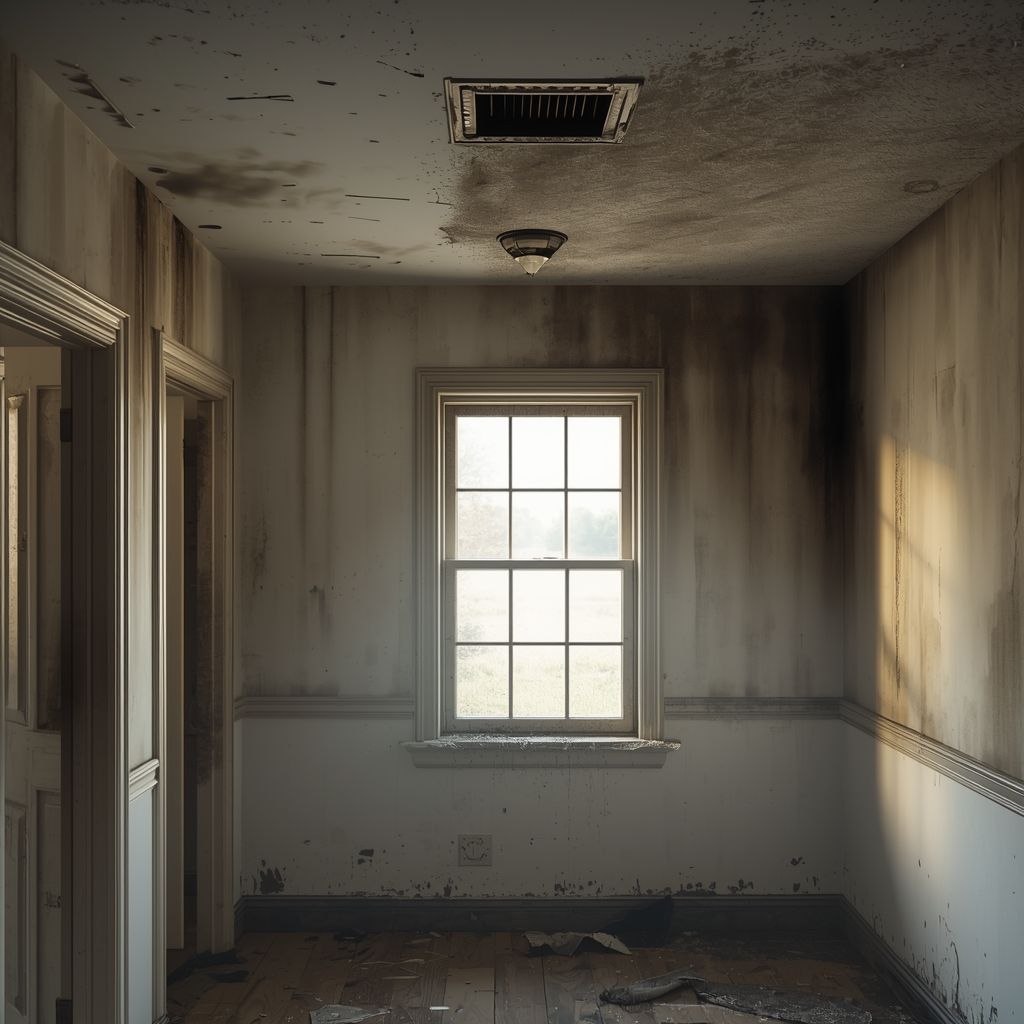
- HVAC systems spread and trap smoke. As air circulates through a home or business, ductwork and ventilation systems pull in smoke particles and distribute them throughout the property, even into rooms untouched by flames.
- Secondary smoke damage occurs over time. Soot particles can settle into cracks, crevices, and hard-to-reach areas long after the fire is extinguished, creating new pockets of odor that were not present during the initial cleanup.
- Humidity reactivates dormant odors. Changes in temperature and moisture levels can cause smoke residue trapped in walls or ceilings to release odor molecules again, making a previously "clean" space smell smoky once more.
Where Do Smoke Odors Typically Hide?
Effective fire and smoke damage cleanup requires knowing exactly where odors tend to settle. Some of the most common hiding spots include:
- Inside wall cavities and behind drywall
- HVAC ducts and ventilation systems
- Attic spaces and insulation materials
- Subflooring and crawl spaces
- Furniture, fabrics, and personal belongings
- Kitchen cabinets, countertops, and appliances
Because these areas are not always visible during a surface-level cleanup, odors can seem to reappear weeks or even months after the fact.
What Professional Fire Cleanup and Odor Removal Solutions Are Available?
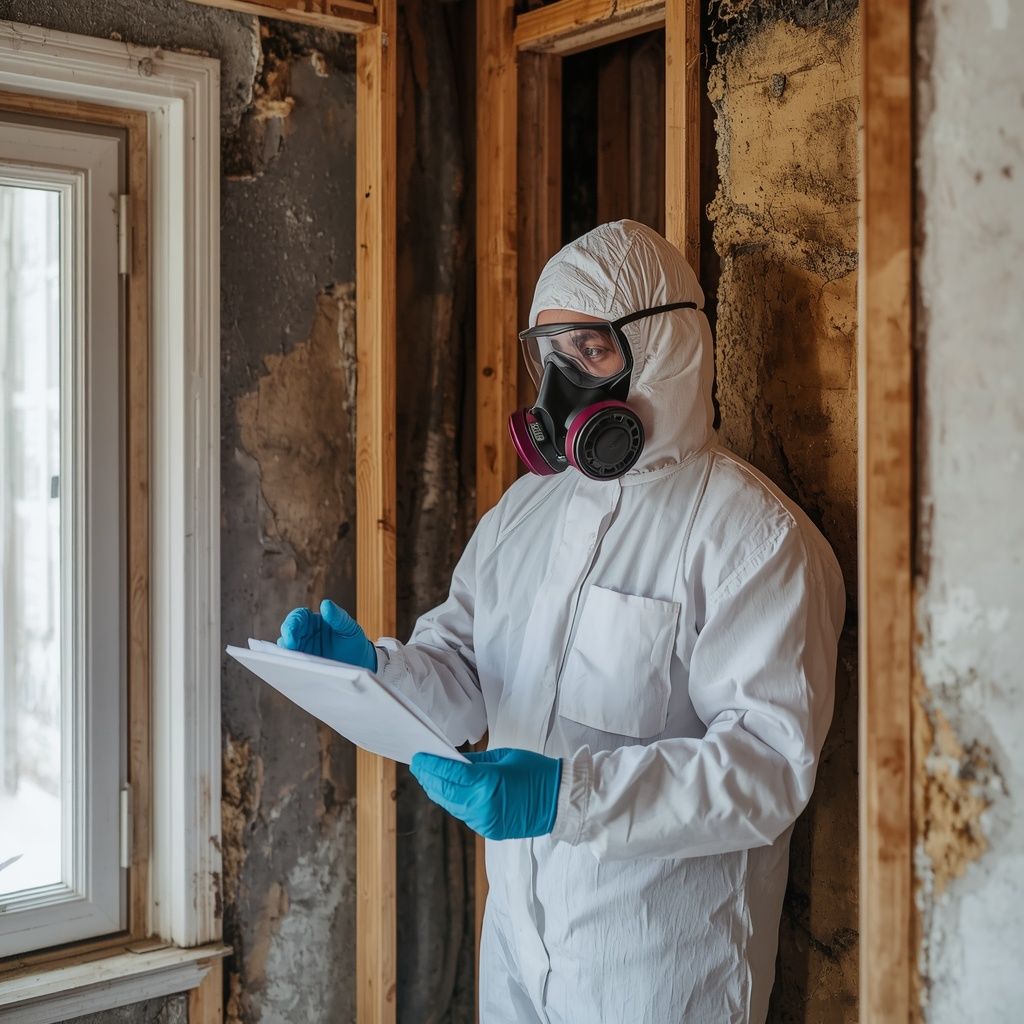
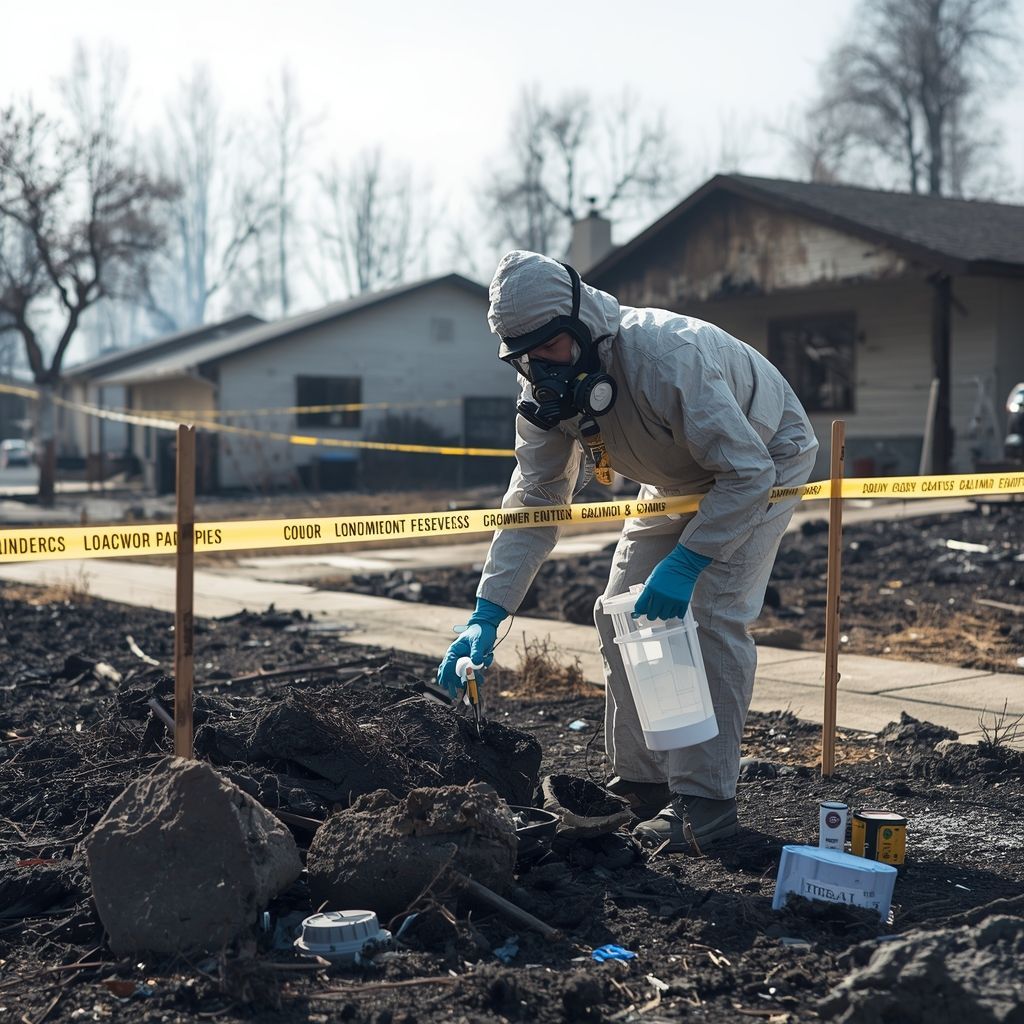
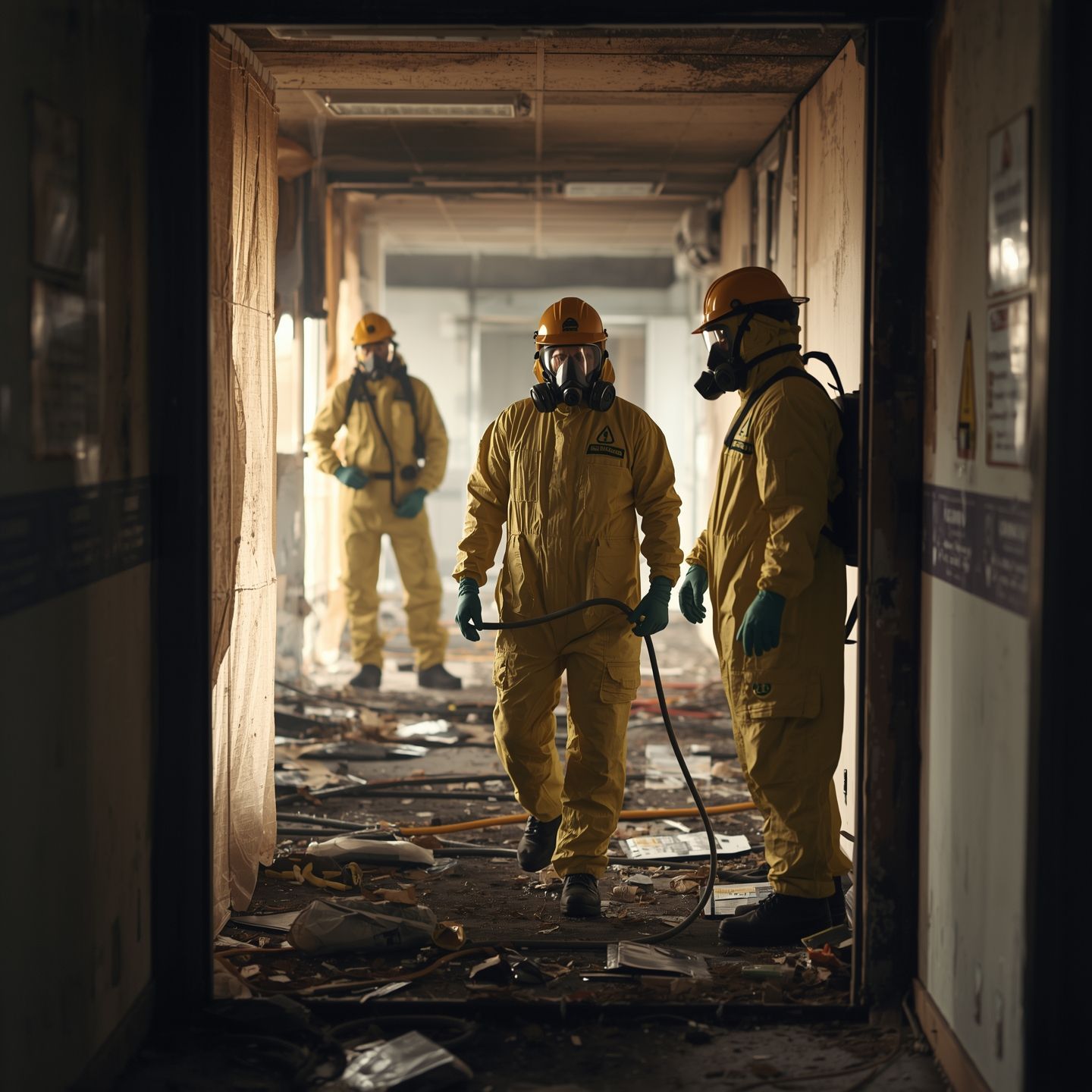
Professional fire damage cleanup goes far beyond wiping down soot. Our teams use targeted equipment and techniques designed to reach the source of the odor, not just mask it temporarily.
Common professional solutions include:
- Advanced air scrubbers and HEPA filtration systems that capture microscopic smoke particles circulating in the air
- Thermal fogging and chemical treatments that neutralize odor molecules at a chemical level, rather than covering them up
- Professional duct cleaning to remove smoke residue trapped throughout the ventilation system
- Structural drying to prevent moisture from reactivating dormant smoke odors in walls, ceilings, and flooring
- Specialized cleaning of contents and belongings, including furniture, fabrics, and personal items affected by smoke exposure
- Ozone treatment for particularly severe or stubborn odors that have deeply penetrated building materials
These methods are often paired with broader environmental remediation and damage mitigation strategies, especially in cases involving both fire and water damage cleanup, which frequently occur together after firefighting efforts.
Why Do DIY Odor Removal Methods Often Fall Short?
It is tempting to try tackling smoke odor with store-bought products, and many property owners attempt this before calling in professionals. Unfortunately, DIY methods usually fall short for a few key reasons:
- Surface cleaning misses embedded odors. Wiping down visible soot addresses appearance, not the smoke particles trapped deep within materials.
- Air fresheners mask rather than eliminate odors. Scented sprays and plug-ins only cover up the smell temporarily, and the smoky odor typically returns once the fragrance fades.
- Improper techniques can spread contamination. Scrubbing soot with the wrong products or tools can push particles deeper into porous surfaces, making the problem worse.
- Temporary fixes do not last. Without professional-grade equipment, any improvement is usually short-lived, and the odor returns as materials continue to off-gas.
This is where a comprehensive fire damage cleanup approach, backed by trained technicians and proper equipment, makes a measurable difference.
When Should You Call Professional Fire Cleanup Services?
Not every situation requires the same level of intervention, but there are clear signs that professional help is necessary:
- After significant fire damage or extensive smoke exposure throughout the property
- When smoke odors persist despite your own cleanup efforts
- For commercial properties with complex HVAC systems that require specialized duct cleaning
- When insurance coverage is involved and proper documentation of the damage and cleanup process is needed
An emergency fire damage response team can also help limit the spread of smoke odor and secondary damage by acting quickly, which is especially important in the hours and days following a fire.
Restoring Your Property for Good
Persistent smoke odor after a fire is frustrating, but it does not have to be permanent. Professional fire and smoke damage cleanup addresses the root causes of lingering smells, from embedded particles in porous materials to contamination hiding within HVAC systems. Rather than masking the problem temporarily, these methods are designed to fully remove odor at its source.
Investing in professional environmental cleanup and property cleanup services early can prevent more costly, long-term damage down the road, while also protecting indoor air quality and your family's or employees' health. Prompt, thorough action gives you the best chance at restoring your space completely and gives you real peace of mind that the smell of smoke will not keep coming back.
If your property is still dealing with smoke odor after a fire,
Environmental 911
can help you assess the damage.