
What Are the Different Types of Asbestos? A Homeowner's Guide
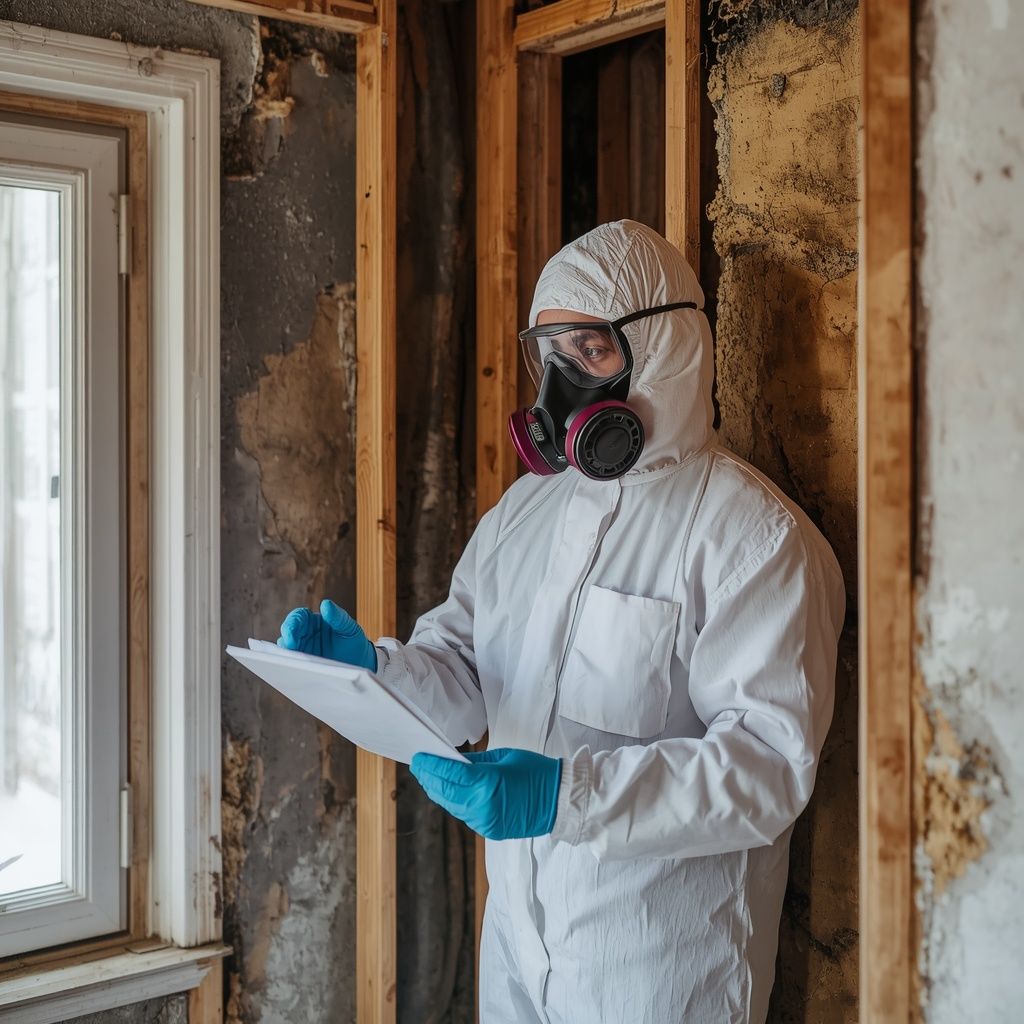
There are six recognized types of asbestos, divided into two mineral groups: serpentine (chrysotile) and amphibole (amosite, crocidolite, tremolite, actinolite, and anthophyllite). Each type was used differently in construction and manufacturing, and all carry serious health risks when fibers become airborne. Identifying asbestos in your property requires professional testing, and safe removal should always be handled by certified specialists.
Asbestos was once considered a miracle material. It's heat-resistant, durable, and incredibly cheap to produce, which made it a go-to ingredient in construction and manufacturing throughout much of the 20th century. From insulation to roofing shingles, asbestos found its way into millions of homes and commercial buildings before its health risks became widely understood.
Today, many property owners are left wondering what's hiding behind their walls or under their flooring. Not all asbestos looks or behaves the same way, and understanding the different types can help you recognize potential hazards before they become a serious problem.
This guide breaks down the six types of asbestos, where they're commonly found, and the health risks tied to exposure. We'll also cover when it's time to call in professional help for safe removal and remediation.
The Six Types of Asbestos
Asbestos isn't a single mineral. It's a group of six naturally occurring fibrous minerals, each with its own structure, properties, and common uses. These minerals fall into two broad categories: serpentine and amphibole.
Chrysotile (White Asbestos)
Chrysotile is the most widely used type of asbestos, accounting for the vast majority of asbestos found in buildings worldwide. It belongs to the serpentine group, meaning its fibers are curly and layered rather than straight. This structure made it easier to weave into materials like insulation, roofing products, and cement sheets.
Because chrysotile was so commonly used, it remains one of the most frequently discovered types during property inspections, particularly in homes built before the 1980s.
Amosite (Brown Asbestos)
Amosite belongs to the amphibole group, which features straight, needle-like fibers. This type was commonly used in thermal insulation products and fireproofing materials due to its high heat resistance. Amosite is considered more hazardous than chrysotile because its sharp, straight fibers are more likely to lodge in lung tissue when inhaled.
Crocidolite (Blue Asbestos)
Crocidolite is widely regarded as the most dangerous form of asbestos. Its thin, sharp fibers are easily inhaled and extremely difficult for the body to expel once lodged in lung tissue. Historically, crocidolite was used in pipe insulation and some cement products, though its use declined significantly once health risks became apparent.
Tremolite
Tremolite isn't typically mined and sold on its own. Instead, it's most often found as a contaminant in other materials, particularly talc and vermiculite products. This makes tremolite exposure somewhat unpredictable, since it can show up in household items not originally marketed as containing asbestos.
Actinolite
Like tremolite, actinolite occurs naturally and is sometimes found contaminating other minerals and building materials. While less commonly discussed than chrysotile or crocidolite, actinolite carries the same amphibole-related health risks and should be treated with equal caution if discovered during a property inspection.
Anthophyllite
Anthophyllite is the rarest of the six asbestos types. It occasionally appears in talc deposits and certain mineral products, but it's far less common in building materials compared to chrysotile or amosite.
Where Is Asbestos Commonly Found in Older Properties?
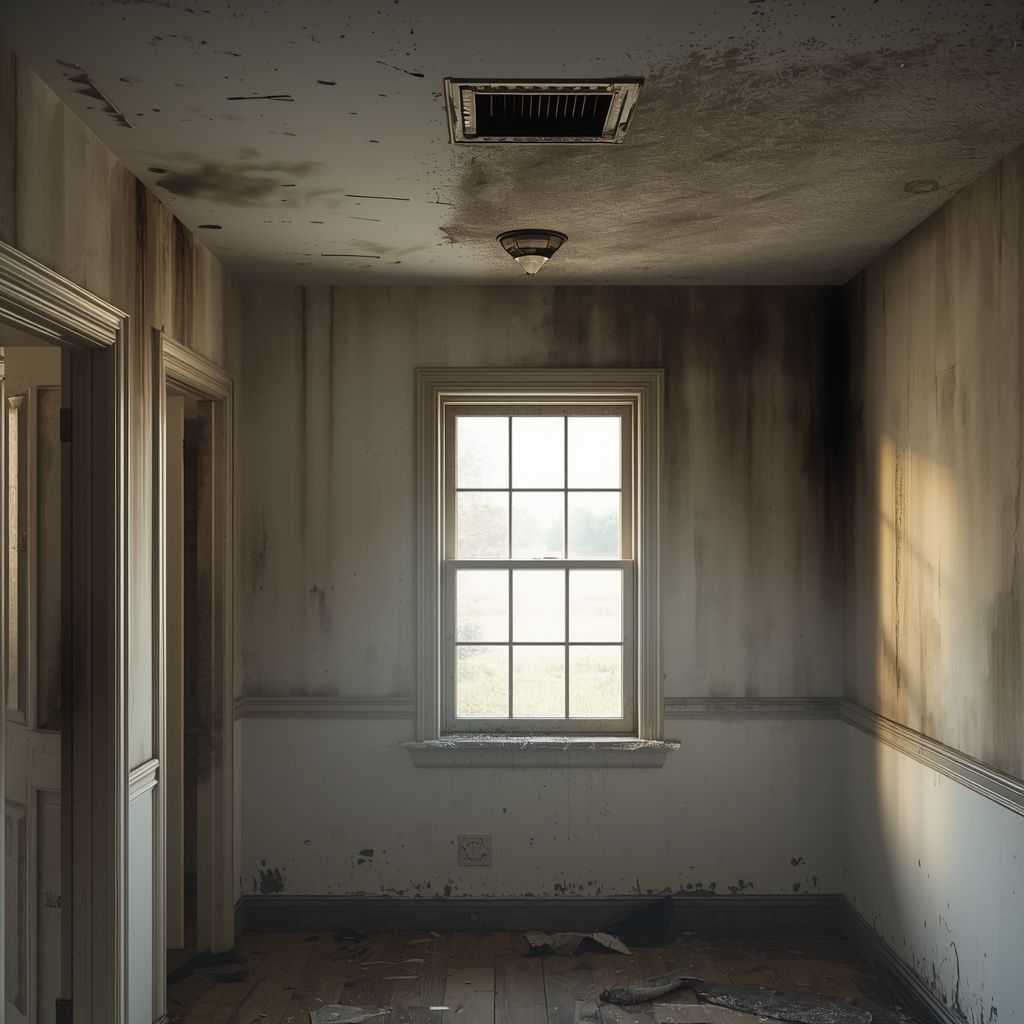
Asbestos-containing materials were used across nearly every part of residential and commercial construction for decades. Common locations include:
- Insulation materials in older homes and buildings, particularly around pipes and attics
- Roofing and siding products, including shingles and cement sheets
- Floor tiles and the adhesives used to install them
- Pipe wrapping and joint compounds used in plumbing and HVAC systems
- Fireproofing sprays and coatings applied to structural beams
If your property was built or renovated before the 1980s, there's a reasonable chance it contains asbestos somewhere in its structure. The only way to know for certain is through professional testing.
What Health Risks Are Associated With Asbestos Exposure?
Asbestos fibers pose little danger when left undisturbed. The real risk comes when materials are damaged, cut, or disturbed during renovations, releasing microscopic fibers into the air where they can be inhaled.
Long-term exposure has been linked to serious health conditions, including:
- Mesothelioma, a rare and aggressive cancer affecting the lining of the lungs
- Lung cancer, particularly among individuals with prolonged exposure
- Asbestosis, a chronic lung disease caused by scarring of lung tissue
- Pleural diseases, which affect the lining surrounding the lungs
One of the most concerning aspects of asbestos exposure is its latency period. Symptoms often don't appear until decades after exposure occurs, making early detection and prevention critical. This is exactly why professional removal matters. Disturbing asbestos-containing materials without proper containment can expose entire households or workplaces to airborne fibers for years before symptoms ever surface.
When Should You Call Professional Asbestos Removal Services?
There are a few clear situations where calling in professionals isn't just recommended; it's essential:
- You suspect asbestos may be present in your home or business, especially in older properties
- You're planning a renovation or demolition project that could disturb old materials
- Damage has already occurred to materials suspected of containing asbestos, such as cracked tiles or crumbling insulation
- You're unsure whether a material contains asbestos and need professional testing before proceeding
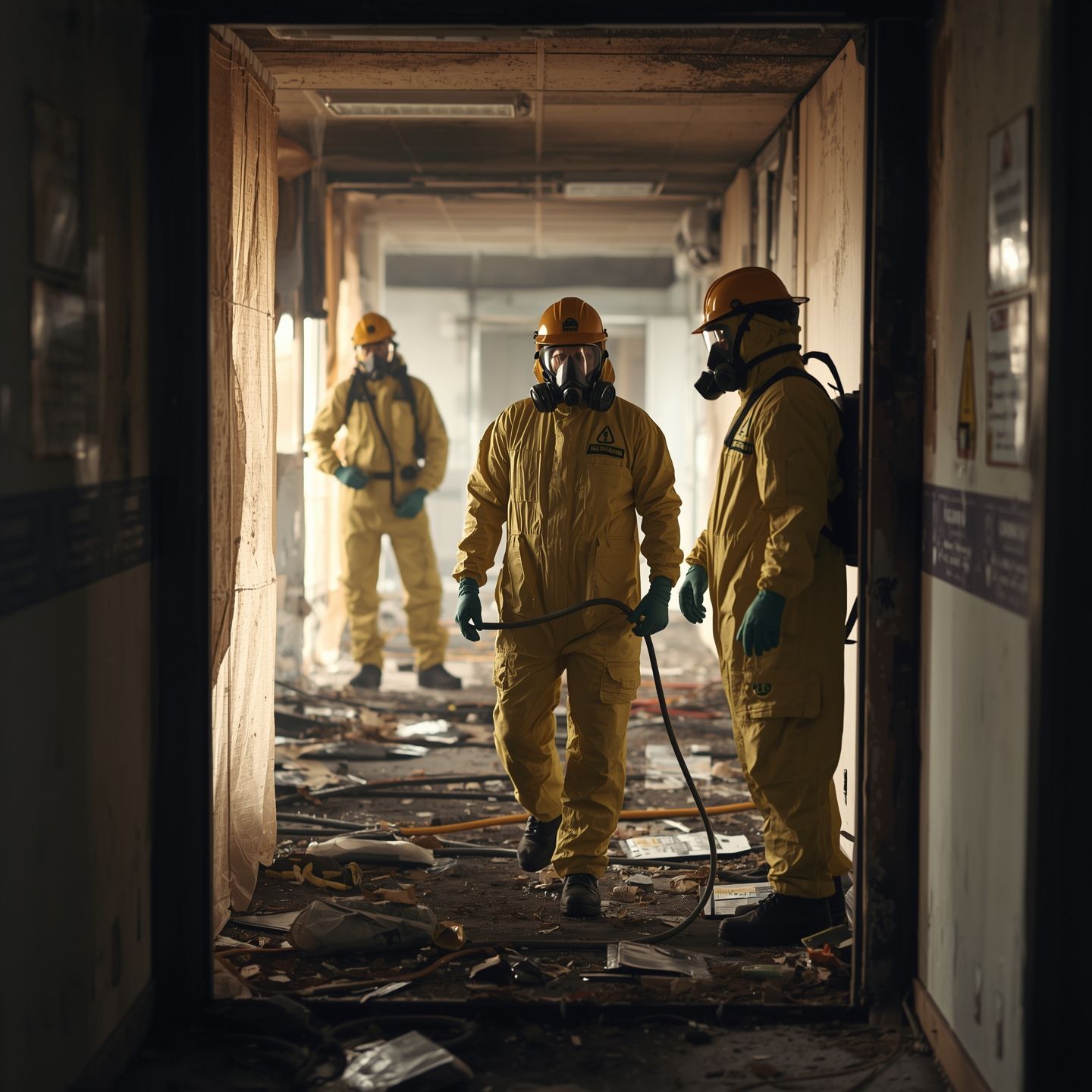
Attempting to remove or disturb asbestos-containing materials without proper training and equipment can do more harm than good. Specialized containment, air filtration, and disposal procedures are necessary to prevent fibers from spreading throughout a property.
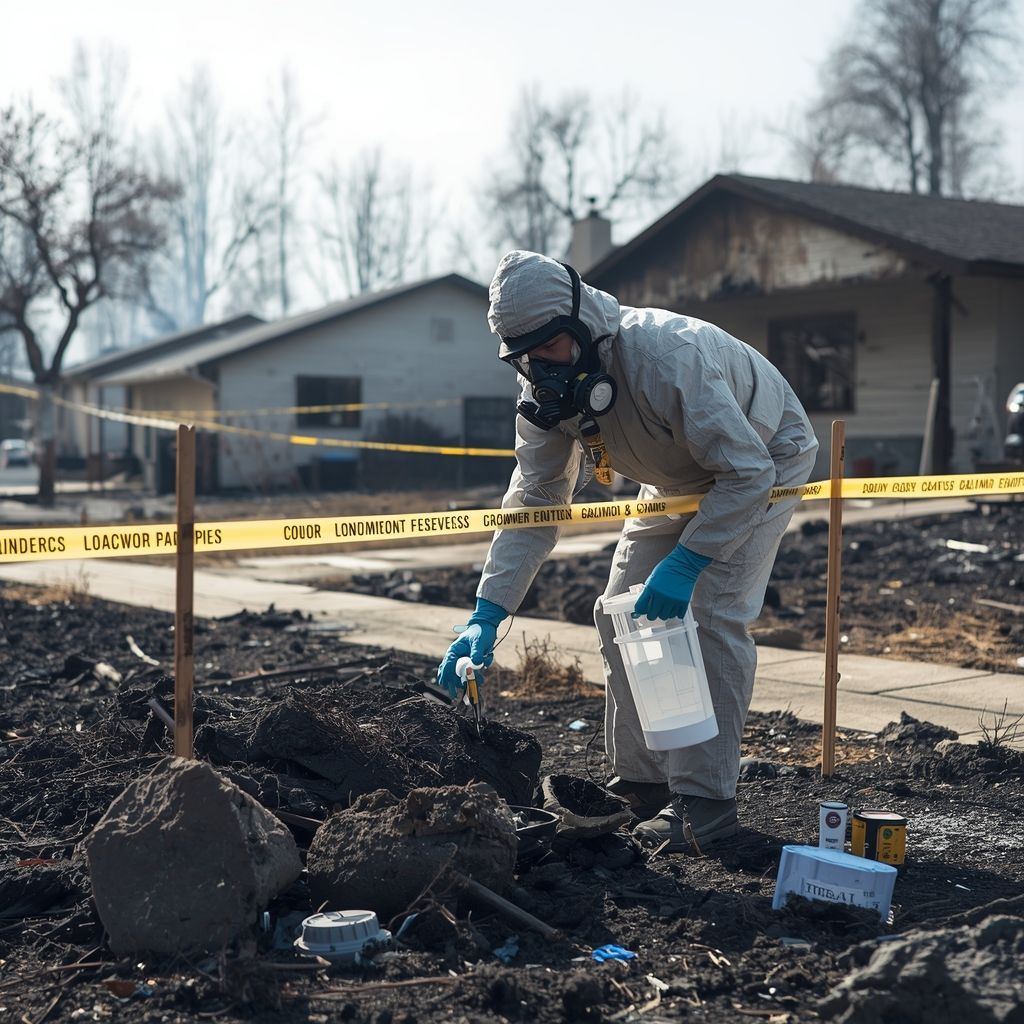
Environmental 911 specializes in safe asbestos removal, using proper containment and disposal techniques to protect both the property and everyone inside it. Beyond asbestos abatement, the company also provides a wide range of related services, including fire and smoke damage cleanup, emergency fire damage response, water damage cleanup, environmental remediation, and broader property cleanup and damage mitigation after a disaster. This makes it possible to address multiple environmental hazards under one roof, whether a property has been affected by fire, water, or long-term material deterioration.
Protecting Your Property Starts With Knowing What You're Dealing With
Understanding the different types of asbestos is the first step toward recognizing potential hazards in your home or business. Chrysotile, amosite, crocidolite, tremolite, actinolite, and anthophyllite each carry their own risks, but all require careful handling and professional removal to keep occupants safe.
If you suspect asbestos in your property, don't wait for a renovation project to uncover the problem. Early detection through professional testing can prevent costly complications and protect your family or employees from long-term health risks.
Environmental 911 has the experience and certification needed to handle asbestos removal safely, along with comprehensive environmental cleanup services for fire, smoke, and water damage.
Contact Environmental 911 today to schedule an inspection and take the first step toward a safer property.