
Conquering Clutter The Ultimate Hoarding Cleanup Guide

June 13, 2024

Hoarding is a complex and often misunderstood condition that affects millions of people worldwide. If you or a loved one is struggling with hoarding, know that you are not alone. This blog aims to provide a comprehensive guide to understanding hoarding, its impact, and practical steps for effective cleanup and support.


Understanding Hoarding Disorder


Hoarding disorder is characterized by the persistent difficulty in discarding or parting with possessions, regardless of their actual value. This behavior

leads to cluttered living spaces, which can significantly impair daily functioning and pose various health and safety risks.


The Psychological Roots of Hoarding


Hoarding is not merely about accumulating items; it is deeply rooted in psychological factors. People who hoard often have strong attachments to their possessions, believing they may need them in the future or feeling a sense of security in keeping them. Anxiety, depression, and perfectionism are common underlying issues.


The Emotional Toll


Living in a cluttered environment can take a severe emotional toll. Individuals with hoarding disorder often experience shame, guilt, and isolation. The clutter can strain relationships with family and friends, leading to further emotional distress.


Recognizing the Signs


Early recognition of hoarding behaviors is crucial for intervention. Signs include excessive accumulation of items, difficulty organizing spaces, and reluctance to discard possessions. Understanding these signs can help in seeking timely support and intervention.


The Impact of Hoarding


Hoarding affects not only the individual but also their surroundings and loved ones. It is essential to recognize the broader implications of hoarding to address it effectively.


Health and Safety Risks


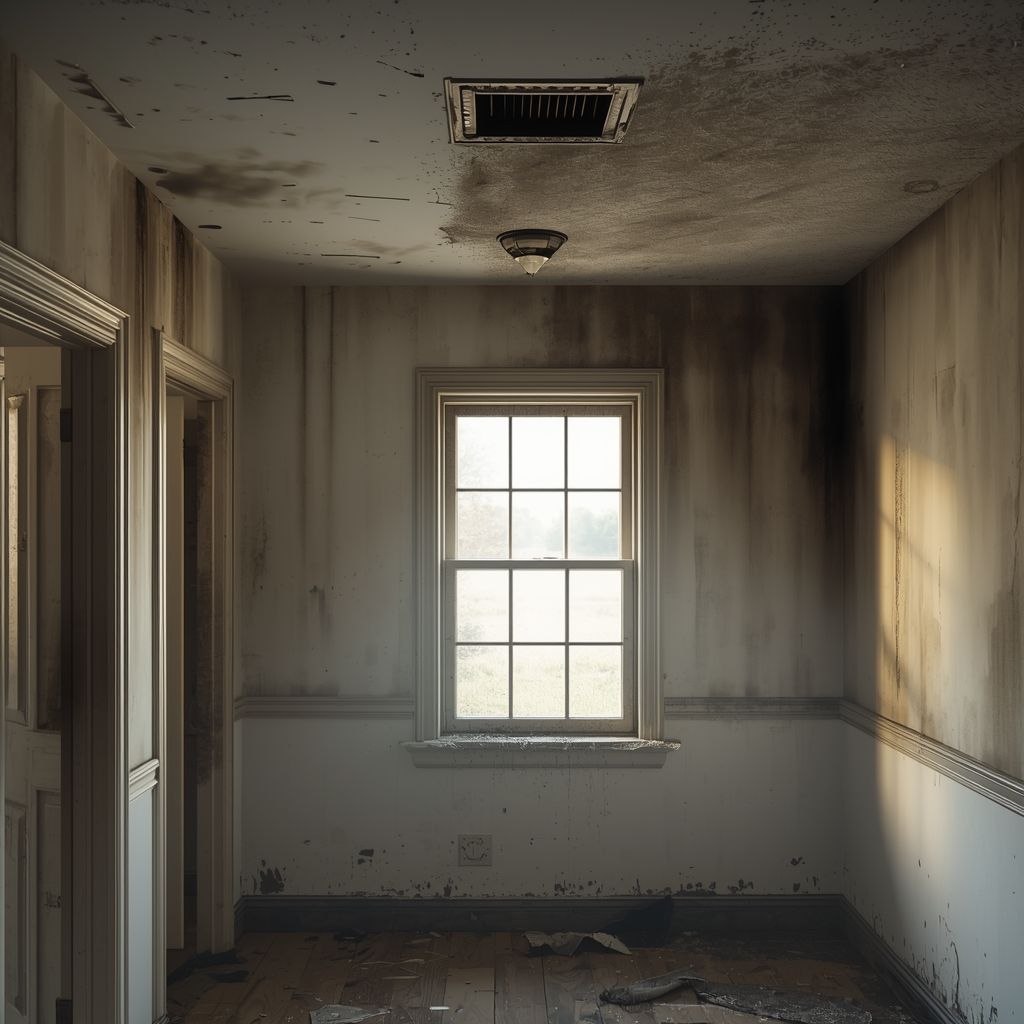
Cluttered living spaces can pose significant health and safety hazards. These include fire risks, tripping hazards, and unsanitary conditions that can lead to respiratory issues and infections. Addressing hoarding is crucial for ensuring a safe living environment.


Financial Consequences


Hoarding can also have financial implications. The cost of accumulating items, coupled with potential property damage and legal issues, can strain an individual's finances. Effective cleanup can alleviate some of these financial burdens.


Social Isolation


Hoarding often leads to social isolation, as individuals may feel embarrassed or ashamed to invite others into their homes. This isolation can exacerbate feelings of loneliness and depression, making it even harder to seek help.


Steps for Effective Hoarding Cleanup


Tackling hoarding cleanup requires a structured approach and understanding. Here are practical steps to begin the process and support the individual involved.


Initial Assessment


Before beginning the cleanup, conduct a thorough assessment of the situation. Identify the severity of the clutter, potential hazards, and the individual's willingness to participate in the cleanup process. This assessment will guide the planning and execution of the cleanup.


Creating a Cleanup Plan


Develop a detailed cleanup plan that outlines specific goals, timelines, and resources needed. Break down the process into manageable tasks, focusing on one area at a time. Ensure the individual involved is part of the planning to foster cooperation and motivation.


Sorting and Categorizing


Start by sorting and categorizing items into groups such as keep, donate, discard, and recycle. Use clear labeling and storage solutions to organize items efficiently. Encourage the individual to make decisions about their possessions, providing gentle guidance and support.


Involving Professionals


Professional help can significantly enhance the effectiveness of a hoarding cleanup. Consider enlisting the support of mental health professionals and specialized cleanup services.


Mental Health Support


A mental health professional can provide essential support during the cleanup process. Cognitive-behavioral therapy (CBT) has proven effective in addressing the underlying psychological issues associated with hoarding. Therapists can help individuals develop healthier habits and coping mechanisms.


Professional Cleanup Services


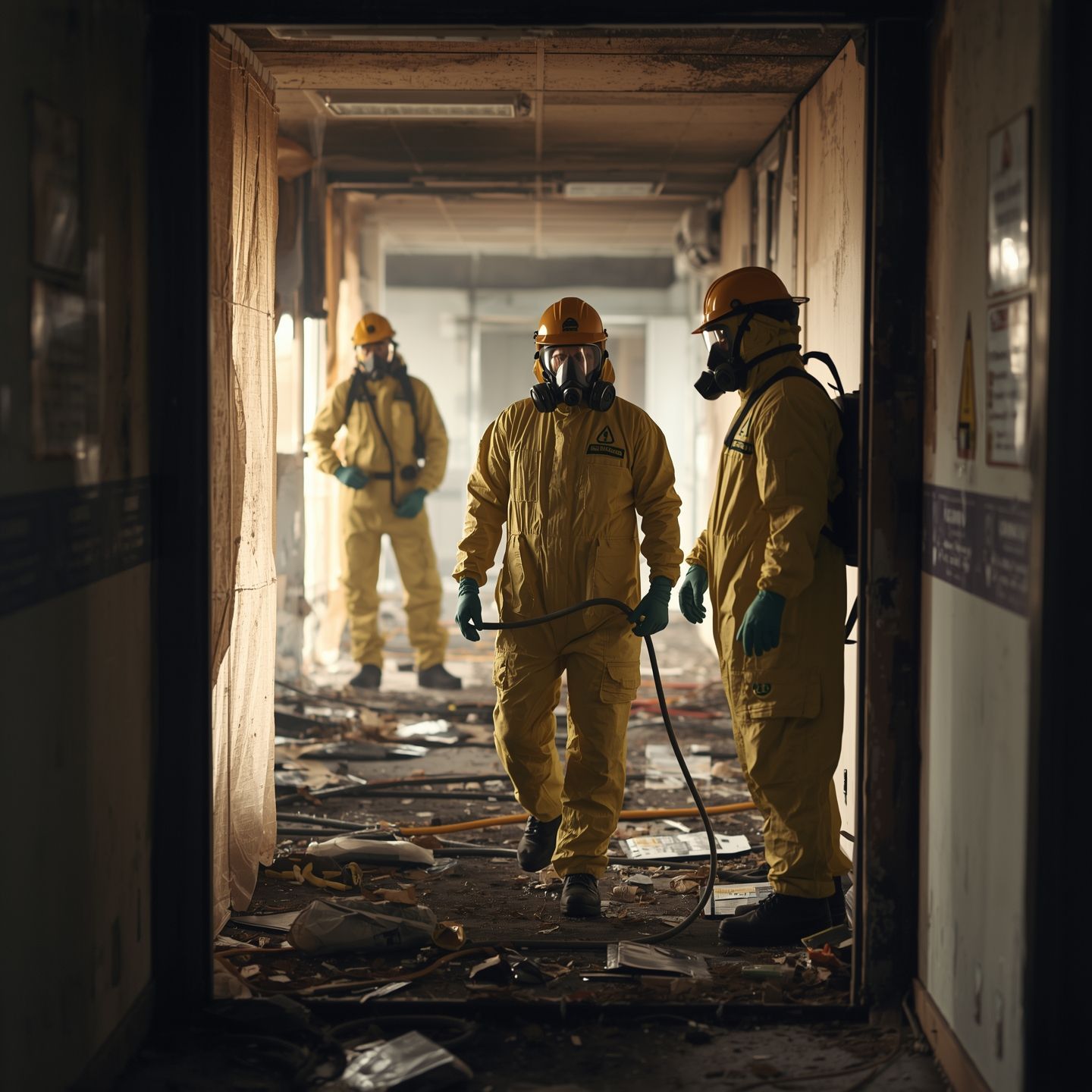
Specialized hoarding cleanup services like Environmental 911 have the expertise and equipment to handle severe hoarding situations. They can manage biohazards, heavy lifting, and thorough cleaning, ensuring a safe and efficient process. Their experience can also provide valuable guidance and support.


Legal and Financial Advice


In some cases, legal and financial issues may arise due to hoarding. Consulting with legal and financial advisors can help address these challenges, ensuring compliance with regulations and managing any financial repercussions.


Maintaining a Clutter-Free Environment


The cleanup process is just the beginning. Maintaining a clutter-free environment requires ongoing effort and support. Here are strategies to help prevent relapse and promote a healthier lifestyle.


Establishing Routines


Developing daily and weekly routines for cleaning and organizing can help maintain a tidy living space. Encourage the individual to set aside time for regular decluttering and to address any new items that enter the home promptly.


Regular Check-ins


Regular check-ins with a mental health professional or support group can provide ongoing encouragement and accountability. These check-ins can help address any emerging issues and reinforce positive habits.


Creating a Support Network


Building a support network of family, friends, and professionals can provide the necessary encouragement and assistance. Encourage open communication and offer help when needed, fostering a sense of community and shared responsibility.


Conclusion


Addressing hoarding is a challenging but essential process for improving the well-being of individuals and their families. By understanding the roots of

hoarding, recognizing its impact, and following a structured cleanup plan, it is possible to create a safer and healthier living environment.


Remember, you are not alone in this journey. Seek professional help, involve supportive friends and family, and take it one step at a time. If you need further assistance, consider booking a consultation with a specialized hoarding cleanup service or a mental health professional. Together, we can conquer clutter and pave the way for a brighter, more organized future.


Take the First Step with Environmental 911


Are you ready to tackle hoarding and reclaim your living space? Environmental 911 is here to help you every step of the way. 


Our team of specialized asbestos clean up professionals understands the unique challenges posed by hoarding and is committed to providing compassionate, thorough, and efficient services tailored to your needs.


Don't wait any longer to begin your journey towards a clutter-free life. Are you seeking fire damage services in Pasadena? Contact Environmental 911 for a consultation and discover how our expertise can make a positive impact on you and your loved ones.


January 15, 2026
When the smoke clears after a wildfire, most people focus on the visible damage. We look at charred structures, burnt trees, and ash-covered cars. However, the most dangerous threat might be the one you cannot see. Heavy metals often linger in the air and dust long after the flames are extinguished. If your home survived a wildfire or was near a burn zone, it may be contaminated. Smoke can travel for miles and carry microscopic toxins that settle on your furniture, floors, and countertops. Understanding these risks is the first step toward keeping your family safe. The Hidden Threat: Heavy Metals Wildfires today are different from how they used to be. They do not just burn forests. They often burn through the "wildland-urban interface," consuming houses, cars, and industrial areas. When modern homes burn, the fire consumes electronics, batteries, treated lumber, and plastics. This combustion releases a toxic cocktail of chemicals into the air. These particles eventually settle as dust inside nearby homes. This dust is not just dirt. It is often loaded with heavy metals that can pose serious health risks. Common Heavy Metals Found After Wildfires The specific mix of toxins depends on what burned near your home. However, researchers frequently find elevated levels of specific metals in post-fire environments. Lead: This is common in older homes with lead-based paint. If you have ever searched for "lead abatement near me " for a renovation, you know the risks. Fire turns this lead into fine particulate matter. Arsenic: Often found in treated wood used for decks and fences. Cadmium: Released from burning batteries and electronics. Mercury: Can come from burning household appliances and fluorescent lights. Chromium: Often released from burning treated lumber and metal plating. Health Risks of Exposure Breathing in or ingesting these metals can lead to serious health issues. The dust settles on surfaces where children play or where you prepare food. Short-term exposure can cause respiratory irritation, coughing, and headaches. Long-term exposure is much more concerning. It can lead to neurological damage, kidney failure, and developmental issues in children. Pets are also at high risk. They walk through the dust and then groom themselves, ingesting the toxins directly. How to Identify Heavy Metals in Your Home You cannot identify heavy metals by sight or smell. The dust looks like ordinary household dust or fine gray ash. The only way to know for sure is through professional testing. Experts can take surface wipe samples and air quality tests. This data reveals exactly what contaminants are present and in what concentration. Protecting Your Home and Health If you suspect your home has been exposed to wildfire smoke, you must act carefully. Standard cleaning methods often make the problem worse. Using a standard vacuum cleaner or a broom can kick the toxic dust back into the air where you breathe it in. Follow these safety tips: Do not sweep: Avoid dry sweeping or dusting. Use HEPA filtration: Only use vacuums equipped with true HEPA filters that trap microscopic particles. Wear protection: Use N95 masks, gloves, and long sleeves when cleaning. Wash surfaces: Use a damp cloth to wipe down walls, floors, and counters. Change air filters: Replace your HVAC filters with high-efficiency ones immediately. For thorough safety, it is best to call professionals for emergency fire damage response. They have the equipment to neutralize these threats effectively. Environmental 911 Services Dealing with property damage is stressful. You need a team that handles the entire scope of the disaster. At Environmental 911 , we specialize in restoring safety to your home. We understand that fire damage often leads to other issues. For example, firefighters use thousands of gallons of water to save a home. This can lead to moisture issues requiring water damage cleanup near me. If that moisture sits too long, you might eventually need mold remediation Pasadena CA services. Our team is equipped to handle complex cleanup scenarios. We offer: Fire and Smoke Restoration : We remove soot, ash, and odors. Hazardous Material Removal: We handle safe asbestos removal near me and lead cleanup. Biohazard Solutions : We provide discreet biohazard cleanup Pasadena services. Specialized Cleaning: We also assist with difficult situations like hoarder cleanup services, ensuring every corner of a property is safe and sanitary. Staying Safe After Wildfires Your home should be your sanctuary. Do not let hidden toxins compromise your health. If you are near a recent wildfire, assume that specialized cleaning is necessary.  Take the time to assess your property. Look for professional help to ensure all heavy metals and toxins are removed correctly. Your health is worth the investment. If you need expert assistance in Pasadena or the surrounding areas, our team is ready to help you recover. Contact Environmental 911 today for a consultation
HEPA air scrubber used by a fire damage restoration professional to remove airborne soot
December 15, 2025
Learn safe HEPA cleaning practices to clear airborne particles after a fire in Pasadena properties. Protect your air quality and restore your space effectively.
Professional environmental cleanup crew wearing protective hazmat suits
November 12, 2025
Learn essential Cal/OSHA standards for safe fire cleanup. Discover what contractors need to know to ensure compliance and protect workers during post-fire restoration.
Residential Pasadena neighborhood under orange haze from nearby wildfire smoke and ash, highlighting
October 29, 2025
Discover how wildfire ash and toxins impact indoor air quality in Pasadena homes. Learn about the risks & tips to keep your home safe and air clean during fire season.
Fire Damage in Older Buildings – Post-Fire Asbestos Risk Assessment
October 14, 2025
Learn how heat damage releases toxic fibers, the health risks involved, and why professional asbestos testing and remediation are essential for post-fire safety.
Abandoned street after wildfire, flames and smoke highlight risks of rushed cleanup without science.
September 9, 2025
Learn why unscientific wildfire cleanup efforts can harm health and the environment, and how science-based methods ensure safer, more effective results. Read more!
Asbestos abatement
July 15, 2025
Learn eight essential tips for choosing a reliable asbestos abatement company, including certifications, experience, safety protocols, and customer reviews. Read more!
Asbestos in California Wildfire Debris
June 19, 2025
This post explores the types of asbestos commonly found in wildfire debris and what you, as a homeowner or business owner, need to know to stay safe.
Unveiling the Lead Contamination Crisis
May 14, 2025
This article explores how lead contamination becomes a critical issue after fires and how Environmental 911 aims to make recovery safer for affected communities.
 Role of Environmental Testing in Post-Wildfire Recovery
April 17, 2025
Recent wildfires reveal a harsh new reality, and the damage goes beyond what’s visible. That's why professional environmental testing is key to rebuilding safely.