Understanding the Distinction: Class A vs. Class B Asbestos Removalists

February 16, 2024

The lurking hazard of asbestos in our environments is a serious concern, prompting homeowners and property managers alike to actively seek professional help for its safe removal. 


Asbestos, once celebrated as a versatile, fire-resistant building material, now stands notorious for its potential to cause deadly diseases, including mesothelioma and asbestosis. 


Consequently, regulatory bodies have outlined stringent guidelines for asbestos removal, classification being one of the pivotal components in determining the complexity and risk involved in the process.


One may come across the terms "Class A" and "Class B" asbestos removalists and wonder what these classifications mean.


If you're pondering over which type of professional to hire for your asbestos abatement needs, this article breaks down the differences between the two, empowering you to make informed decisions in ensuring the safety of your environment and its occupants.


The Significance of Asbestos Removal Classification


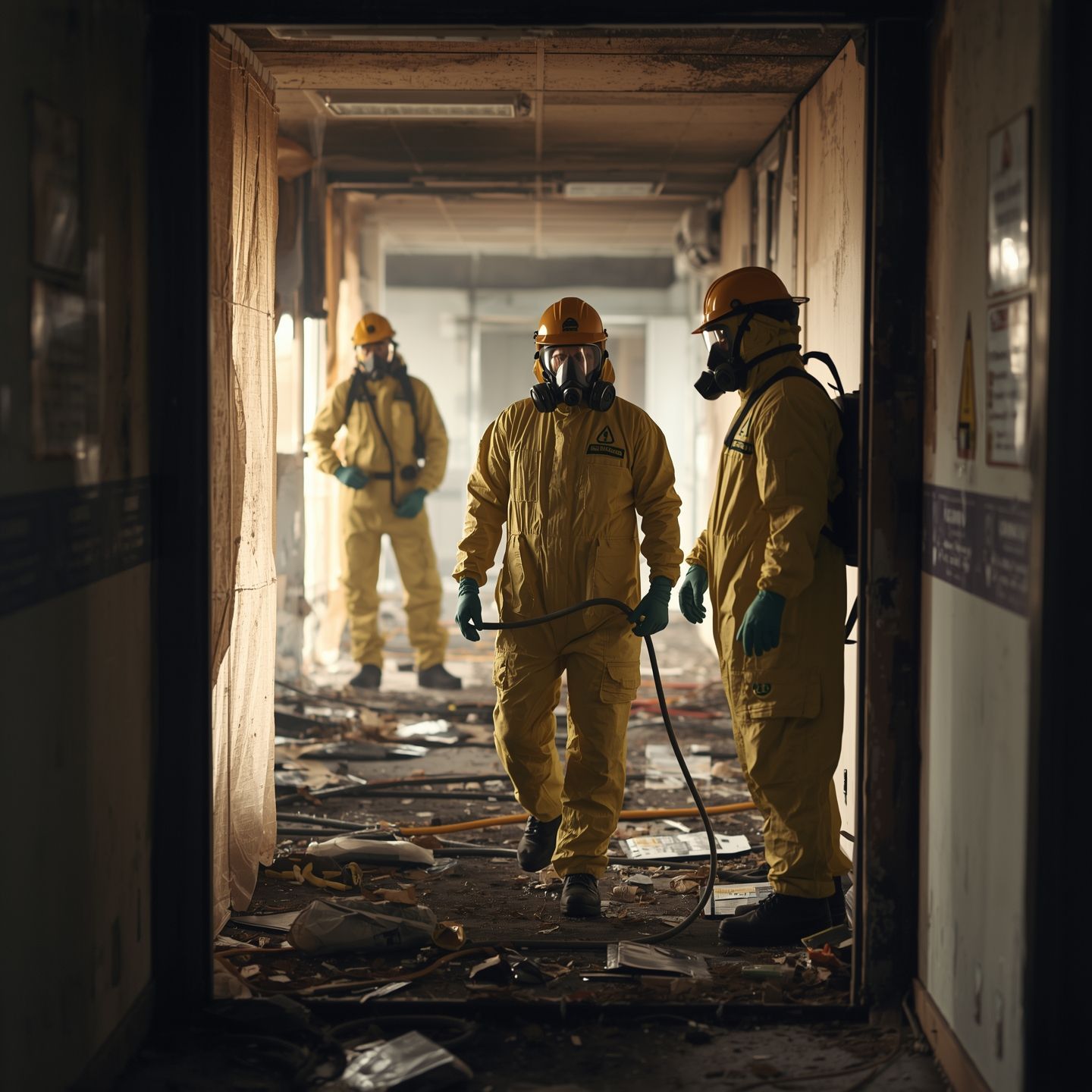
Asbestos removal can be a hazardous activity if not executed by properly trained, equipped, and certified professionals. 

Classifying removalists helps to ensure that the correct level of expertise is employed in managing different types of asbestos abatement projects. 


There is a significant contrast between Class A and Class B removals, determining the methods used, the resources required, and the risks associated with each.


Class A Asbestos Removalists


The Elite of Asbestos Abatement


Class A removalists are qualified to manage all forms of friable asbestos-containing materials (ACMs) and are responsible for the planning and execution of the removal process. Friable ACMs are materials that, when dry, can be easily crumbled, pulverized, or reduced to powder, such as insulation and some ceiling coatings.


Certifications and Procedures


Holding a Class A license signifies a company's ability to deal with any scale of asbestos removal, from single-room projects to full building abatements. Removalists at this level are involved in the highest-risk operations and follow strict protocols to protect themselves and the occupants of the premises from potential exposure.


Engagement in Higher Risk Activities


Because of the high-risk nature of Class A removal, professionals at this level must adhere to the most stringent safety measures and are required to produce rigorous documentation post-operation to ensure the premises are safe and cleared of any hazardous material.


Class B Asbestos Removalists


The Specialists in Non-Friable ACMs


Class B removalists handle non-friable asbestos-containing materials, which are typically less hazardous under normal circumstances but can become friable over time, like sheets and pipes. Their work includes encapsulation, enclosure, or removal, depending on the state of the ACM.


Specialized Roles


Removalists at the Class B level may also engage in the sealing or enclosing of asbestos to prevent fiber release, a method that is considered less invasive and involves lower risk than Class A operations.


Upgrading to Class A


In some instances, when Class B removalists encounter situations where ACMs could become friable, they may need to upgrade the removal to Class A or collaborate with Class A experts to ensure safety measures are escalated accordingly.


Evaluation Criteria for Classification


The classification of asbestos removalists is determined by the level of risk and complexity of the work they are qualified to conduct. Evaluation for classification involves several criteria:


  • Nature of ACMs Handled: As discussed, materials that can be easily disturbed, such as insulation or billboard, fall under Class A, while more stable materials like asbestos cement fall under Class B.
  • Degree of Invasive Action: Class A typically involves the total removal of ACMs, which is generally more invasive and risky, while Class B often includes methods for maintaining the ACM in situ when possible.
  • Exposure and Containment Considerations: Class A operations necessitate a more robust approach to containment and disposal due to the higher chance of fiber release and increased health risk.


Why the Classification Matters to You


Understanding the difference in expertise and scope of work for Class A and Class B removalists is crucial for several reasons:


Personal and Public Safety


The correct classification ensures that the company you hire is equipped to safeguard its team and your health throughout the removal process.


Compliance with Regulations


Hiring a professional that is appropriately classified guarantees that your asbestos abatement project will be completed in full compliance with local and national regulations.


Quality of Work


Higher classification often presumes a higher standard of quality and attention to detail, with more intricate removal methods applied as needed.


Considerations When Choosing an Asbestos Removalist


Check Their Credentials

It is critical to verify the removalist’s certification and ensure they have the appropriate Class A or B licenses issued by the regulatory authority in your area.


Assess Their Experience

Ask about previous projects similar in scope to yours and request references to gauge the quality of their work, especially in terms of safety and thoroughness.


Obtain a Comprehensive Quotation

Ensure the removalist provides a detailed quote that covers all aspects of the project, from inspection to post-removal clearance examinations, inclusive of disposal.


Review Their Safety Protocols

Safety is paramount. Familiarize yourself with the safety procedures the removalist will employ and inquire about contingencies in case of unexpected situations.


Conclusion


When faced with the serious task of asbestos removal, understanding the nuances between Class A and Class B removalists is empowering. Whether making a choice for personal or professional property, prioritizing safety and compliance with regulations should always be at the forefront of the decision-making process.


Armed with this knowledge, you can confidently embark on the journey to secure the services of a reputable asbestos removalist. Remember, their classification is not just a technicality; it's a comprehensive assessment of their capability to manage risks and protect you from the dangers of asbestos exposure.


About Us


Asbestos can cause severe health problems for you and your family if left unchecked for prolonged periods. If you notice asbestos in your home and don’t know what to do, call us to help take care of the problem for you. Let Environmental 911 help you through this unfamiliar process! 


Founded in 1999, we have been helping residents of California restore their homes struck by any natural or human disasters. Our services include asbestos and lead abatement, mold and fungus removal, water extraction, and emergency plumbing.


Environmental 911 provides professional asbestos cleanup services to keep your property safe and hazard-free. Our trained experts handle asbestos removal with care and follow all safety regulations. Whether residential, commercial, or industrial, we’re here to help. Call us at (626) 316-6651 or complete our online form to learn more. 

January 15, 2026
When the smoke clears after a wildfire, most people focus on the visible damage. We look at charred structures, burnt trees, and ash-covered cars. However, the most dangerous threat might be the one you cannot see. Heavy metals often linger in the air and dust long after the flames are extinguished. If your home survived a wildfire or was near a burn zone, it may be contaminated. Smoke can travel for miles and carry microscopic toxins that settle on your furniture, floors, and countertops. Understanding these risks is the first step toward keeping your family safe. The Hidden Threat: Heavy Metals Wildfires today are different from how they used to be. They do not just burn forests. They often burn through the "wildland-urban interface," consuming houses, cars, and industrial areas. When modern homes burn, the fire consumes electronics, batteries, treated lumber, and plastics. This combustion releases a toxic cocktail of chemicals into the air. These particles eventually settle as dust inside nearby homes. This dust is not just dirt. It is often loaded with heavy metals that can pose serious health risks. Common Heavy Metals Found After Wildfires The specific mix of toxins depends on what burned near your home. However, researchers frequently find elevated levels of specific metals in post-fire environments. Lead: This is common in older homes with lead-based paint. If you have ever searched for "lead abatement near me " for a renovation, you know the risks. Fire turns this lead into fine particulate matter. Arsenic: Often found in treated wood used for decks and fences. Cadmium: Released from burning batteries and electronics. Mercury: Can come from burning household appliances and fluorescent lights. Chromium: Often released from burning treated lumber and metal plating. Health Risks of Exposure Breathing in or ingesting these metals can lead to serious health issues. The dust settles on surfaces where children play or where you prepare food. Short-term exposure can cause respiratory irritation, coughing, and headaches. Long-term exposure is much more concerning. It can lead to neurological damage, kidney failure, and developmental issues in children. Pets are also at high risk. They walk through the dust and then groom themselves, ingesting the toxins directly. How to Identify Heavy Metals in Your Home You cannot identify heavy metals by sight or smell. The dust looks like ordinary household dust or fine gray ash. The only way to know for sure is through professional testing. Experts can take surface wipe samples and air quality tests. This data reveals exactly what contaminants are present and in what concentration. Protecting Your Home and Health If you suspect your home has been exposed to wildfire smoke, you must act carefully. Standard cleaning methods often make the problem worse. Using a standard vacuum cleaner or a broom can kick the toxic dust back into the air where you breathe it in. Follow these safety tips: Do not sweep: Avoid dry sweeping or dusting. Use HEPA filtration: Only use vacuums equipped with true HEPA filters that trap microscopic particles. Wear protection: Use N95 masks, gloves, and long sleeves when cleaning. Wash surfaces: Use a damp cloth to wipe down walls, floors, and counters. Change air filters: Replace your HVAC filters with high-efficiency ones immediately. For thorough safety, it is best to call professionals for emergency fire damage response. They have the equipment to neutralize these threats effectively. Environmental 911 Services Dealing with property damage is stressful. You need a team that handles the entire scope of the disaster. At Environmental 911 , we specialize in restoring safety to your home. We understand that fire damage often leads to other issues. For example, firefighters use thousands of gallons of water to save a home. This can lead to moisture issues requiring water damage cleanup near me. If that moisture sits too long, you might eventually need mold remediation Pasadena CA services. Our team is equipped to handle complex cleanup scenarios. We offer: Fire and Smoke Restoration : We remove soot, ash, and odors. Hazardous Material Removal: We handle safe asbestos removal near me and lead cleanup. Biohazard Solutions : We provide discreet biohazard cleanup Pasadena services. Specialized Cleaning: We also assist with difficult situations like hoarder cleanup services, ensuring every corner of a property is safe and sanitary. Staying Safe After Wildfires Your home should be your sanctuary. Do not let hidden toxins compromise your health. If you are near a recent wildfire, assume that specialized cleaning is necessary.  Take the time to assess your property. Look for professional help to ensure all heavy metals and toxins are removed correctly. Your health is worth the investment. If you need expert assistance in Pasadena or the surrounding areas, our team is ready to help you recover. Contact Environmental 911 today for a consultation
HEPA air scrubber used by a fire damage restoration professional to remove airborne soot
December 15, 2025
Learn safe HEPA cleaning practices to clear airborne particles after a fire in Pasadena properties. Protect your air quality and restore your space effectively.
Professional environmental cleanup crew wearing protective hazmat suits
November 12, 2025
Learn essential Cal/OSHA standards for safe fire cleanup. Discover what contractors need to know to ensure compliance and protect workers during post-fire restoration.
Residential Pasadena neighborhood under orange haze from nearby wildfire smoke and ash, highlighting
October 29, 2025
Discover how wildfire ash and toxins impact indoor air quality in Pasadena homes. Learn about the risks & tips to keep your home safe and air clean during fire season.
Fire Damage in Older Buildings – Post-Fire Asbestos Risk Assessment
October 14, 2025
Learn how heat damage releases toxic fibers, the health risks involved, and why professional asbestos testing and remediation are essential for post-fire safety.
Abandoned street after wildfire, flames and smoke highlight risks of rushed cleanup without science.
September 9, 2025
Learn why unscientific wildfire cleanup efforts can harm health and the environment, and how science-based methods ensure safer, more effective results. Read more!
Asbestos abatement
July 15, 2025
Learn eight essential tips for choosing a reliable asbestos abatement company, including certifications, experience, safety protocols, and customer reviews. Read more!
Asbestos in California Wildfire Debris
June 19, 2025
This post explores the types of asbestos commonly found in wildfire debris and what you, as a homeowner or business owner, need to know to stay safe.
Unveiling the Lead Contamination Crisis
May 14, 2025
This article explores how lead contamination becomes a critical issue after fires and how Environmental 911 aims to make recovery safer for affected communities.
 Role of Environmental Testing in Post-Wildfire Recovery
April 17, 2025
Recent wildfires reveal a harsh new reality, and the damage goes beyond what’s visible. That's why professional environmental testing is key to rebuilding safely.