
Are You Renovating a Pre-1978 Home? Here's What You Need to Know About the EPA's Lead Rule
Renovating a home adds value and personal charm, but if your property was built before 1978, there’s a hidden danger you need to address—lead-based paint.
Awareness around the EPA's lead Renovation, Repair, and Painting (RRP) Rule is growing, and for good reason. Recent enforcement alerts emphasize the risks of lead exposure and the legal obligations tied to remodeling older homes.
Failing to follow lead-safe practices not only endangers health, especially for children, but also puts renovators at risk of severe penalties from the EPA.
This blog will explain what the RRP Rule entails, why it matters, and how contractors and homeowners can maintain compliance while protecting the health of everyone involved.
Why Is Lead Exposure Still a Threat Today?
If you’re thinking, "Didn't we phase out lead paint decades ago?" you're right. The U.S. banned lead-based paint for residential use in 1978. However, millions of homes still carry the legacy of this toxic material.
According to the EPA, around 31 million houses built before 1978 still contain lead-based paint. A shocking 3.8 million of these homes have children under six living in them—a group particularly vulnerable to lead’s harmful effects.
Here’s why lead exposure remains a critical issue:
Health Effects
- For Children: Even trace amounts of lead can impair brain development, slow learning, and cause irreversible damage to the nervous system.
- For Adults: Lead exposure increases the risk of high blood pressure, kidney damage, heart disease, and even cancer.
- No Safe Level: The Centers for Disease Control and Prevention (CDC) confirms there’s no antidote or safe level of lead exposure.
How Lead Spreads During Renovation
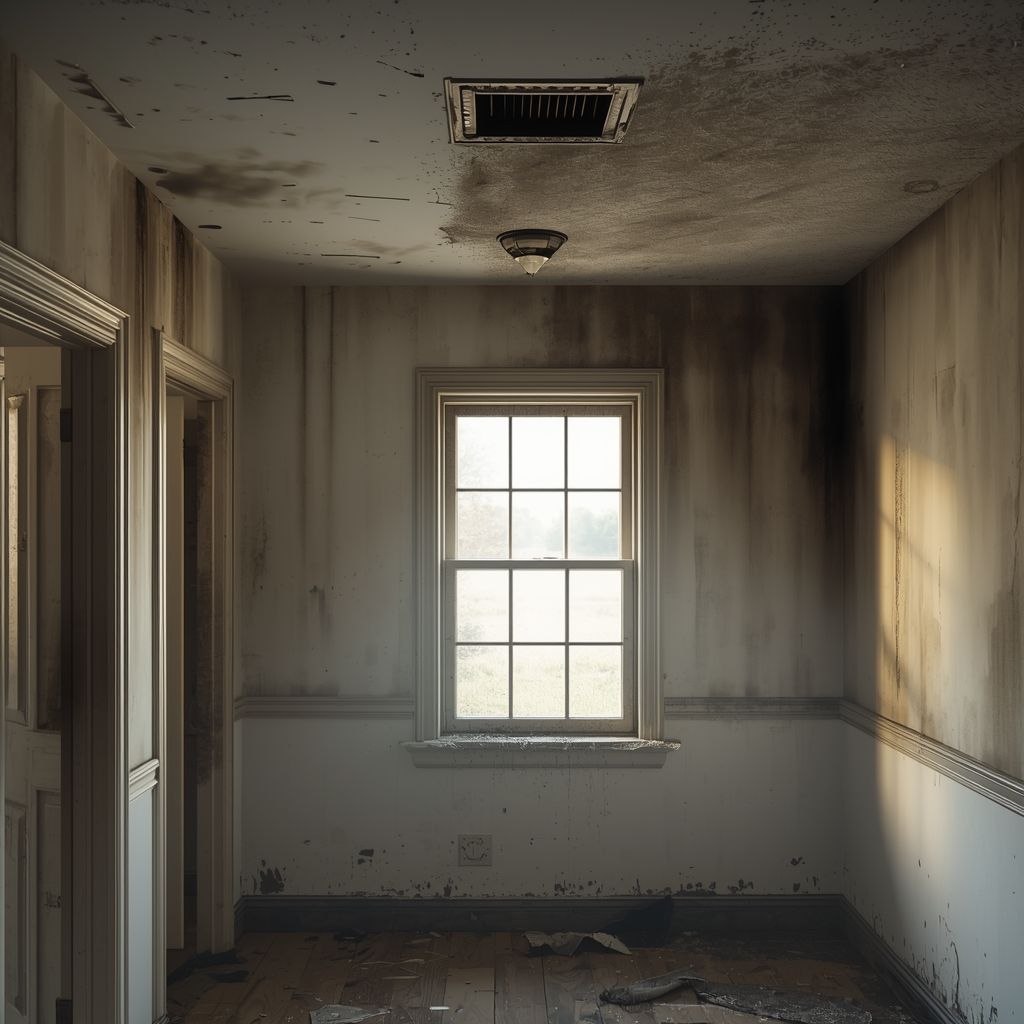
Projects that disturb old lead paint often generate harmful dust, spreading toxic particles into the air, carpets, and HVAC systems. Once inhaled or ingested, this dust can have life-altering consequences, especially for small children who frequently touch floors and surfaces before putting their hands in their mouths.
What is the RRP Rule?
The Renovation, Repair, and Painting (RRP) Rule, enforced by the EPA, is a critical regulation designed to minimize lead dust hazards. It mandates that any renovation disturbing lead-based paint in homes, childcare facilities, or schools built before 1978 must follow lead-safe work practices.
Key Requirements of the RRP Rule
Lead-Safe Certification
Contractors working on properties built before 1978 must undergo training and gain EPA lead-safe certification. This ensures they have the skills and knowledge to minimize lead exposure during renovations.
Proper Work Practices
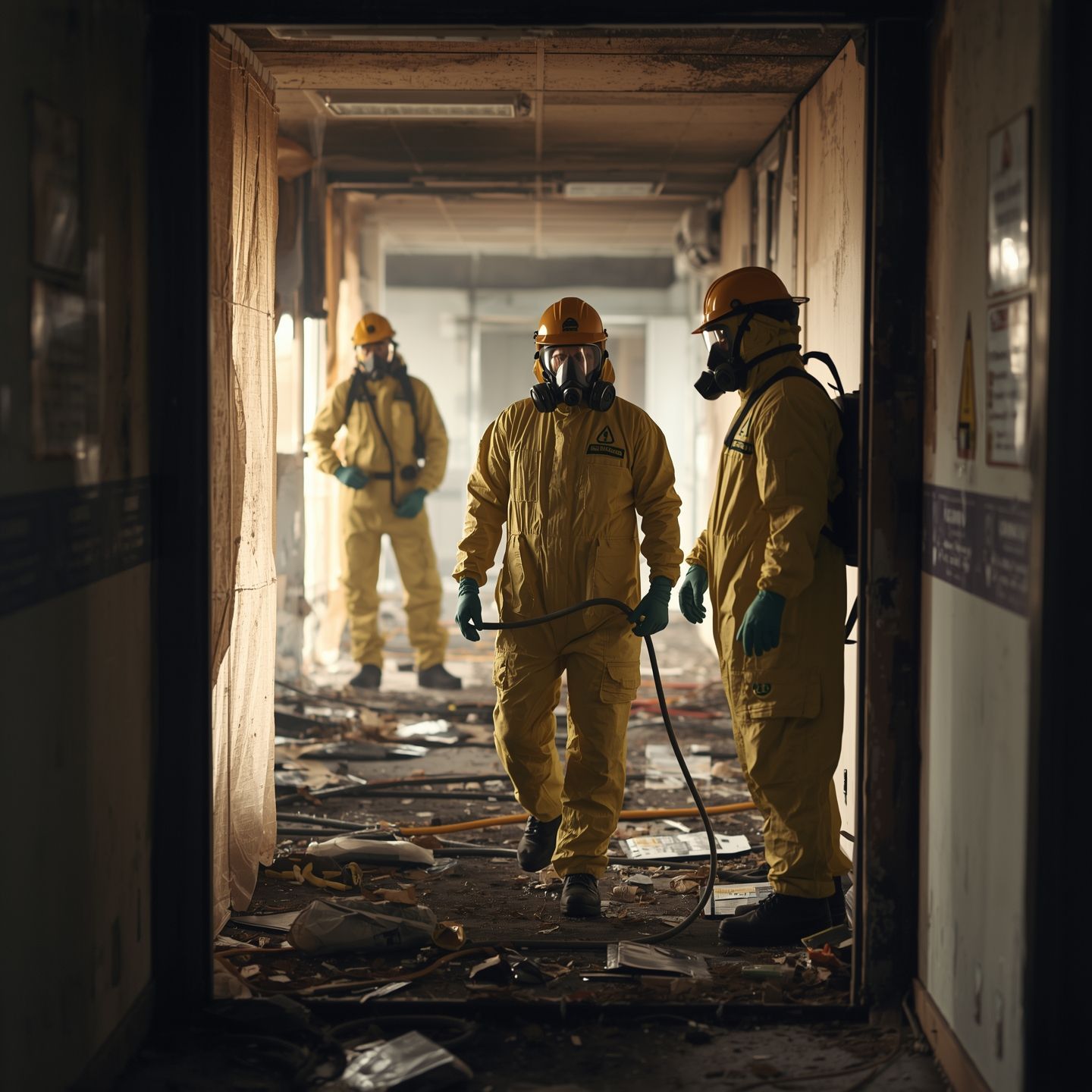
Certified contractors must follow specific procedures, such as sealing work areas with plastic sheeting, using HEPA-filter vacuums, and conducting post-renovation cleaning to avoid spreading lead dust.
Documentation
Contractors need to provide homeowners with the EPA pamphlet, Renovate Right: Important Lead Hazard Information for Families, Child Care Providers, and Schools, and keep detailed records of compliance for three years.
Reporting Violations
Homeowners who suspect unsafe practices or uncertified contractors can report violations to the EPA.
Why Has the EPA Issued an Enforcement Alert This Year?
The EPA’s October 2024 enforcement alert highlights renewed efforts to enforce the RRP Rule. This includes stricter oversight of projects and harsher penalties for violators.
Key Takeaways from the Alert
Vast Reach
The EPA can target violators across the spectrum—general contractors, sub-contractors, franchises, and DIY enthusiasts attempting uncertified renovations.
Penalties
Violators face steep fines for neglecting lead-safe practices or skipping certification.
Focus on Environmental Justice
The alert emphasizes protecting vulnerable communities disproportionately affected by lead exposure, ensuring every child has the right to a safe environment.
How Can Homeowners Protect Themselves and Their Families?
If you’re planning to work on a home built before 1978, here’s how you can safeguard your loved ones and comply with federal regulations.
Follow Lead-Safe Practices for DIY Projects
For smaller-scale projects, DIYers must ensure they adhere to lead-safe methods, such as avoiding sanding or heating surfaces with lead paint, which can release toxins. Use protective gear and follow EPA guidelines for containment and clean-up.
Test for Lead Before Starting Work
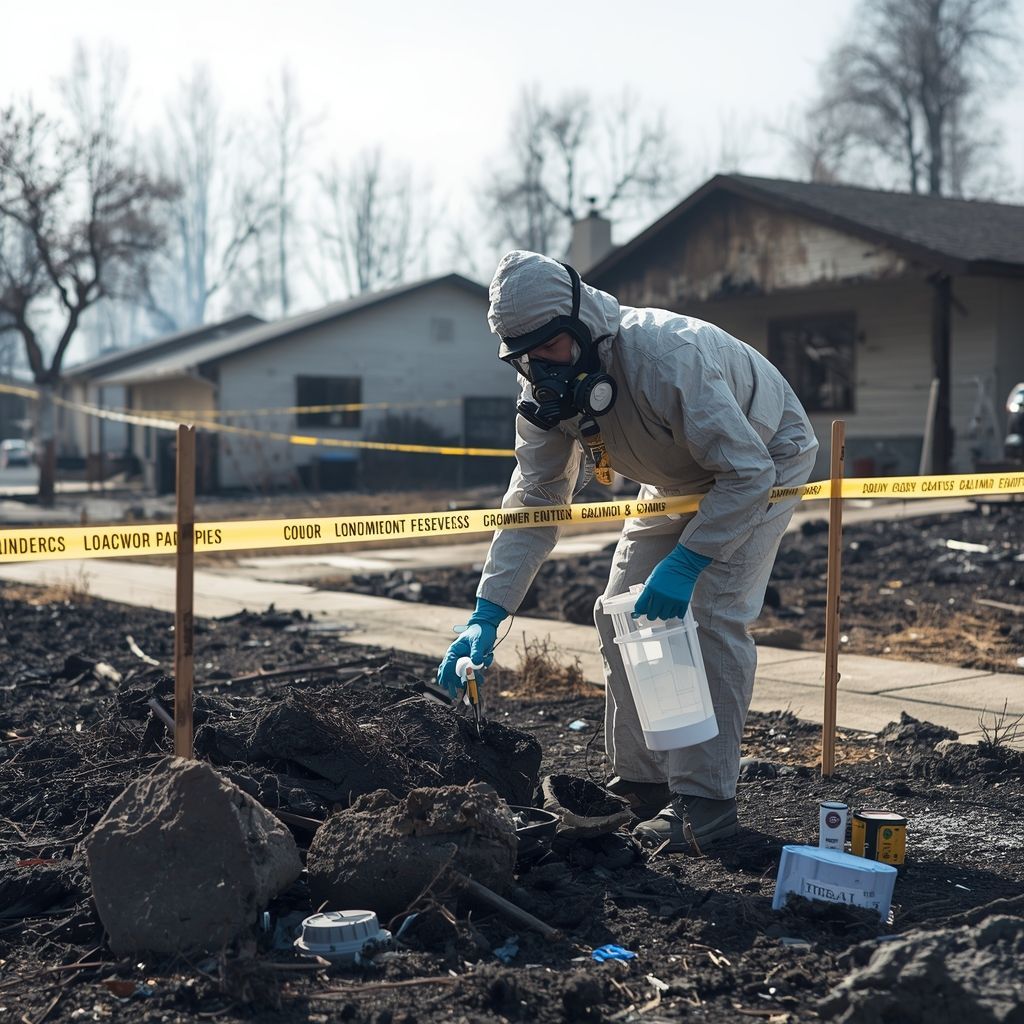
You can preemptively minimize risks by testing your home for lead-based paint. Lead testing kits are available at hardware stores, or you can hire professionals for a thorough assessment.
Stay Educated
Request a copy of the EPA's Renovate Right pamphlet before starting renovations. Make it a point to understand both your responsibilities and your contractor's obligations under the RRP Rule.
How a Lead Removal Company Can Help
Navigating lead hazards in older homes can be overwhelming, but a professional lead removal company can simplify the process and ensure safety. Their expertise and specialized equipment provide homeowners with peace of mind while adhering to the stringent requirements of the EPA's RRP Rule. Here's how these companies can help:
Comprehensive Lead Assessment
A lead removal company starts by identifying areas in your home that contain lead. Through rigorous testing and inspections, they pinpoint surfaces or components, such as painted walls, windows, or trim, that pose a risk of lead contamination.
Safe and Effective Lead Abatement
Unlike general contractors, lead removal specialists use advanced techniques to safely eliminate or encapsulate lead hazards. Whether through controlled removal, sealing, or replacement of lead-contaminated materials, they ensure that the work is done without spreading harmful dust or particles.
Compliance with EPA Regulations
Lead removal companies are well-versed in federal, state, and local regulations. By hiring certified professionals, you’re guaranteed that lead-safe practices are followed, and proper documentation is maintained to meet EPA standards.
Post-Work Testing and Clearance
After completing the project, these companies perform thorough post-work testing to confirm that no harmful lead dust remains. This step guarantees your home is safe for occupancy, especially for vulnerable populations like children and pregnant individuals.
Long-Term Safety Advice
Beyond the scope of their work, lead removal companies often provide guidance on maintaining a lead-safe home. They educate homeowners on proper maintenance practices to prevent future exposure and offer tips to keep environments clean and safe.
By working with a professional lead removal company, you can protect your family’s health, maintain your property value, and avoid costly legal repercussions. Their expertise ensures that your renovation goals are achieved without compromising safety.
A Shared Responsibility: Protecting Our Future
While renovating older homes can be exciting, it's essential to prioritize safety—both for your family and the broader community. By adhering to the RRP Rule and hiring certified professionals, homeowners can preserve the charm of pre-1978 properties without putting their health at risk.
Take the First Step with Environmental 911
Are you ready to tackle lead in your pre-1978 home? Environmental 911 is your trusted partner in creating a safe and healthy home. Specializing in mold damage removal in Pasadena, we deliver expert solutions to protect your well-being and ensure your living space is clean and free of harmful contaminants. Our skilled team is committed to safeguarding your health and property, providing thorough, reliable services tailored to your needs. Don’t wait to take the first step toward a healthier home. Rely on Environmental 911 to restore your space and bring you lasting peace of mind.
Reach out to
Environmental 911 for a consultation and see how our expertise can make a difference for you and your loved ones.