Unveiling the Risks of Hoarding Hazards Lurking Behind Cluttered Walls

November 14, 2024

In the hustle and bustle of modern life, some people find themselves accumulating belongings to the point of excess—a condition commonly known as hoarding. While it may seem like a personal choice or harmless quirk, hoarding actually conceals a myriad of hidden dangers. 


This blog post aims to shed light on the potential hazards of hoarding, particularly focusing on unseen threats such as pests, mold, and structural issues.


Understanding Hoarding and Its Implications


Hoarding is more than just holding onto sentimental items; it's a compulsive behavior that can lead to severe consequences. For hoarders, parting with possessions is incredibly distressing, resulting in dangerous living conditions. This behavior not only affects mental health but also poses significant physical risks, often unnoticed until they reach alarming levels.


The Prevalence of Hoarding in Society


Hoarding affects a significant number of people worldwide, yet it often remains hidden due to stigma and shame. Estimates suggest that around 2-5% of the populationmay display hoarding behavior. Understanding its prevalence highlights the importance of addressing this issue, as it affects not only individuals but families and communities too.


The Psychological Underpinnings of Hoarding


Many experts believe hoarding is linked to anxiety disorders, depression, or OCD. The accumulation of items serves as a coping mechanism for stress and insecurity. However, this temporary sense of security soon morphs into a cycle of clutter that becomes difficult to control, potentially leading to even greater anxiety and isolation.


Pests Thriving in Hoarded Environments


One of the most immediate and visible dangers of hoarding is pest infestation. Clutter creates an ideal habitat for vermin such as rats, mice, and insects. These pests thrive in environments where they can nest undisturbed, often going unnoticed amidst the chaos. Not only do these critters cause structural damage, but they also pose health risks due to the diseases they carry.


Mold Growth and Its Health Implications


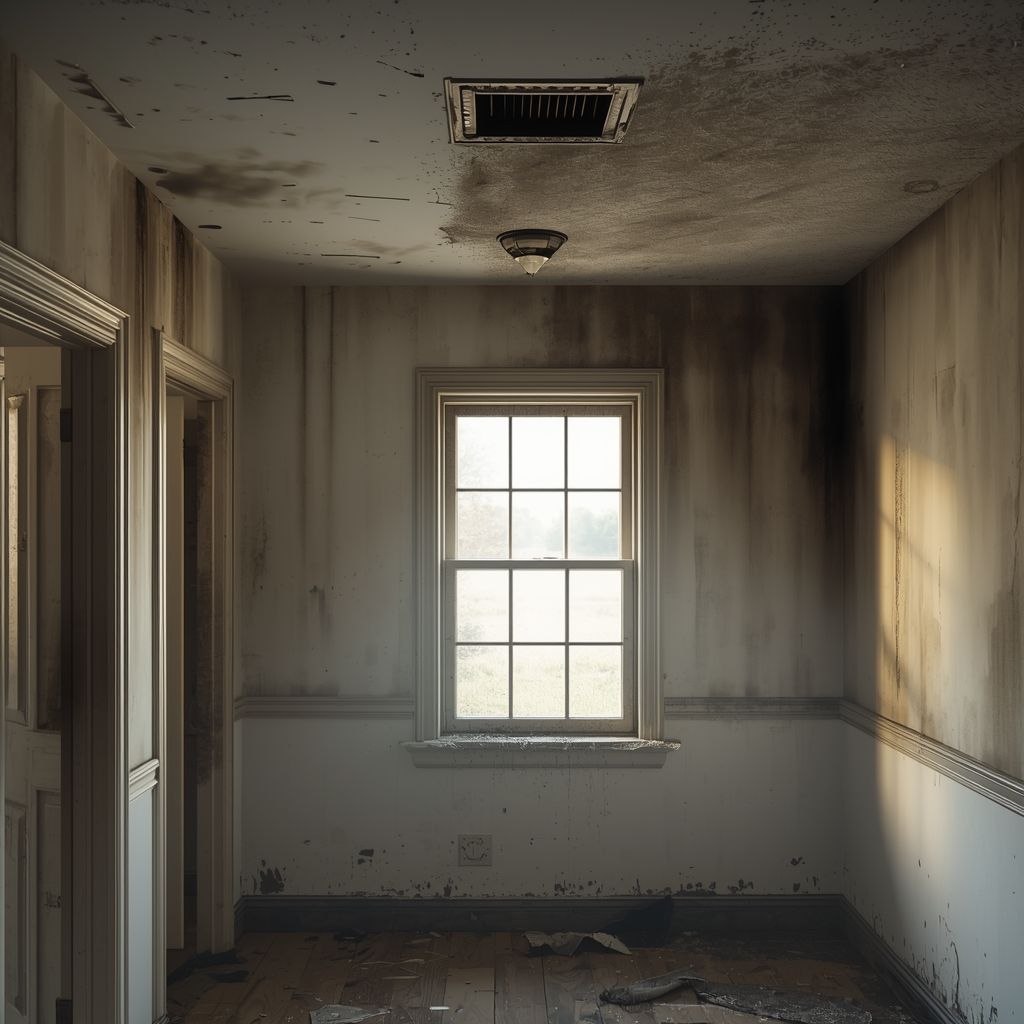
Mold is another insidious danger lurking in hoarded spaces. Accumulated clutter can conceal water leaks or trapped moisture, creating the perfect breeding ground for mold. Exposure to mold can cause respiratory issues, allergic reactions, and even neurological problems. Environmental 911 provides professional mold damage removal in Pasadena, ensuring your home or business is safe and healthy. Mold can spread quickly and, in extreme cases, toxic mold exposure may cause serious long-term health issues, including respiratory problems and allergic reactions.


Structural Damage Caused by Hoarding


The weight and pressure of hoarded items can compromise the structural integrity of a house. Floors may buckle, walls can crack, and ceilings might sag under the excessive load. Such damage not only devalues property but also poses significant safety risks to inhabitants and neighbors, especially in multi-story buildings.


Fire Hazards in Cluttered Homes


Hoarding dramatically increases the risk of fire hazards. Flammable materials stacked throughout the home create an environment primed for ignition. Cluttered exits and blocked pathways make escape difficult during emergencies, endangering both residents and first responders. It's crucial to address these risks before they escalate into catastrophic events.


The Impact on Mental Well-being


Beyond the physical dangers, hoarding takes a profound toll on mental health. The chaos and disorder reinforce feelings of shame and anxiety, leading to social isolation and strained relationships. Individuals trapped in hoarding situations often suffer in silence, unaware of the support available to help them reclaim their lives from the clutter.


Social and Emotional Consequences


Hoarding can adversely impact personal and professional relationships. Loved ones may struggle to understand the behavior, leading to conflicts and emotional distancing. Furthermore, the stigma associated with hoarding can result in loneliness and depression, creating a challenging cycle to break without intervention.


Legal and Financial Repercussions


In severe hoarding cases, legal and financial issues may arise. Local authorities may intervene if hoarding poses a threat to public health or safety. Homeowners may face fines, eviction, or compulsory clean-up orders. Additionally, insurance policies may be voided due to the increased risks associated with hoarding, leading to financial strain.


Steps Toward Recovery and Change


Recovery from hoarding is possible with the right support and strategies. Cognitive-behavioral therapy (CBT) can help individuals address the underlying causes and develop healthier habits. Professional clean-up services, along with ongoing support from mental health professionals, can aid in transforming cluttered spaces into organized, functional homes.


How Professional Hoarding Cleaning Services Can Help


Professional hoarding cleaning services play a crucial role in the path to recovery, offering much-needed assistance to those overwhelmed by clutter. These specialized teams are trained to handle the emotional and physical challenges associated with hoarding clean-ups, ensuring a compassionate and non-judgmental approach.


They efficiently sort through piles of belongings, helping to identify items to keep, donate, or discard, all while prioritizing the client's comfort and privacy. 

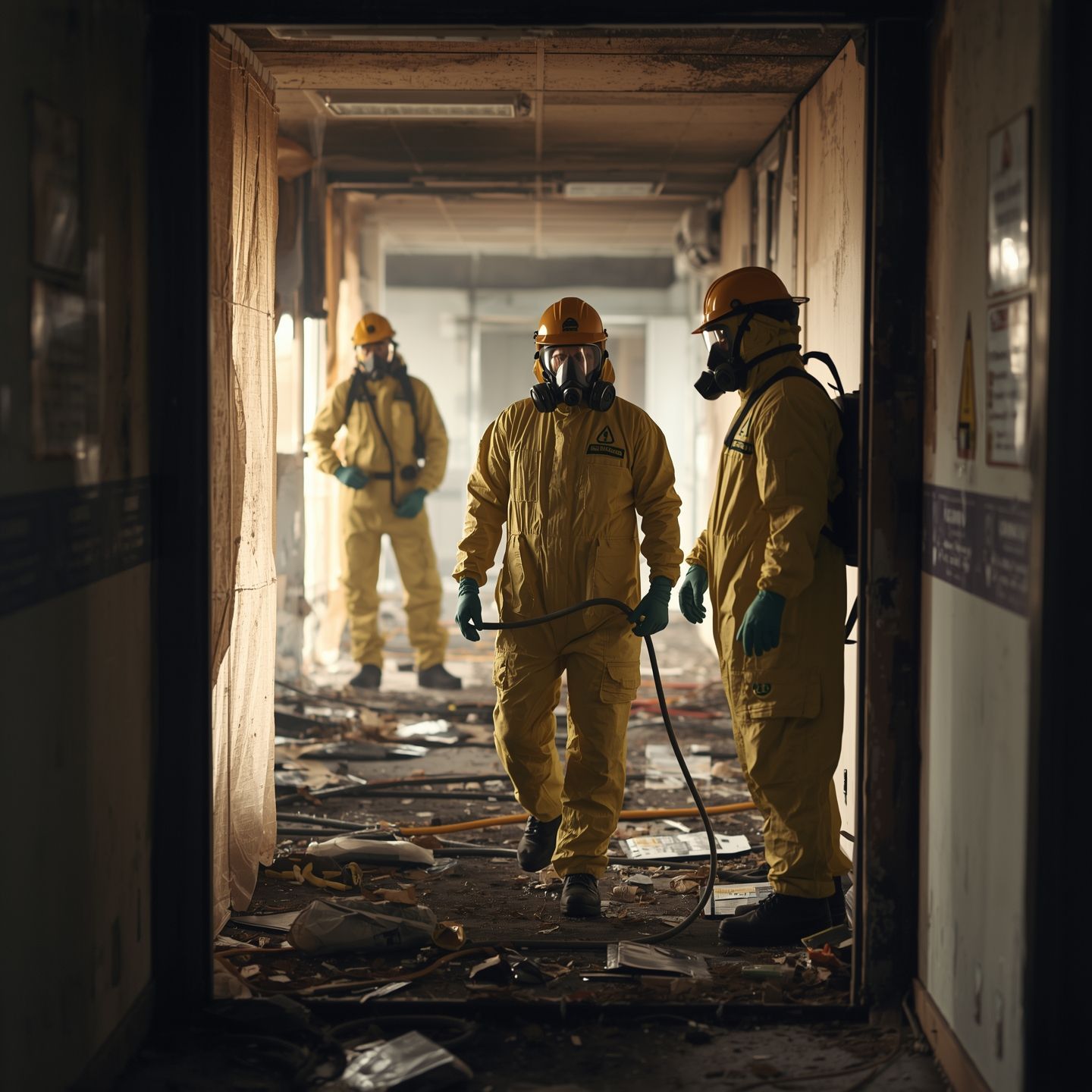
Additionally, these services often include the removal of biohazards and the sanitization of affected areas, addressing any pest infestations or mold issues that may be present.


Moving Forward with Awareness and Compassion


Addressing hoarding requires empathy, education, and collaboration among individuals, families, and communities. By understanding the hidden dangers and taking proactive steps, we can help those affected by hoarding reclaim their lives and homes. 


Whether you're personally affected or know someone who is, remember that change is possible when approached with awareness and compassion.


Take the First Step with Environmental 911


Are you ready to tackle hoarding and reclaim your living space? Environmental 911 is here to help you every step of the way. 


Our team of specialized cleanup professionals understands the unique challenges posed by hoarding and is committed to providing compassionate, thorough, and efficient hoarder cleanup services tailored to your needs. We take the time to assess each situation carefully, ensuring a personalized approach that respects the emotional and physical complexities involved.


Don't wait any longer to begin your journey towards a healthier life. Reach out to Environmental 911 for a consultation and see how our expertise can make a difference for you and your loved ones.


January 15, 2026
When the smoke clears after a wildfire, most people focus on the visible damage. We look at charred structures, burnt trees, and ash-covered cars. However, the most dangerous threat might be the one you cannot see. Heavy metals often linger in the air and dust long after the flames are extinguished. If your home survived a wildfire or was near a burn zone, it may be contaminated. Smoke can travel for miles and carry microscopic toxins that settle on your furniture, floors, and countertops. Understanding these risks is the first step toward keeping your family safe. The Hidden Threat: Heavy Metals Wildfires today are different from how they used to be. They do not just burn forests. They often burn through the "wildland-urban interface," consuming houses, cars, and industrial areas. When modern homes burn, the fire consumes electronics, batteries, treated lumber, and plastics. This combustion releases a toxic cocktail of chemicals into the air. These particles eventually settle as dust inside nearby homes. This dust is not just dirt. It is often loaded with heavy metals that can pose serious health risks. Common Heavy Metals Found After Wildfires The specific mix of toxins depends on what burned near your home. However, researchers frequently find elevated levels of specific metals in post-fire environments. Lead: This is common in older homes with lead-based paint. If you have ever searched for "lead abatement near me " for a renovation, you know the risks. Fire turns this lead into fine particulate matter. Arsenic: Often found in treated wood used for decks and fences. Cadmium: Released from burning batteries and electronics. Mercury: Can come from burning household appliances and fluorescent lights. Chromium: Often released from burning treated lumber and metal plating. Health Risks of Exposure Breathing in or ingesting these metals can lead to serious health issues. The dust settles on surfaces where children play or where you prepare food. Short-term exposure can cause respiratory irritation, coughing, and headaches. Long-term exposure is much more concerning. It can lead to neurological damage, kidney failure, and developmental issues in children. Pets are also at high risk. They walk through the dust and then groom themselves, ingesting the toxins directly. How to Identify Heavy Metals in Your Home You cannot identify heavy metals by sight or smell. The dust looks like ordinary household dust or fine gray ash. The only way to know for sure is through professional testing. Experts can take surface wipe samples and air quality tests. This data reveals exactly what contaminants are present and in what concentration. Protecting Your Home and Health If you suspect your home has been exposed to wildfire smoke, you must act carefully. Standard cleaning methods often make the problem worse. Using a standard vacuum cleaner or a broom can kick the toxic dust back into the air where you breathe it in. Follow these safety tips: Do not sweep: Avoid dry sweeping or dusting. Use HEPA filtration: Only use vacuums equipped with true HEPA filters that trap microscopic particles. Wear protection: Use N95 masks, gloves, and long sleeves when cleaning. Wash surfaces: Use a damp cloth to wipe down walls, floors, and counters. Change air filters: Replace your HVAC filters with high-efficiency ones immediately. For thorough safety, it is best to call professionals for emergency fire damage response. They have the equipment to neutralize these threats effectively. Environmental 911 Services Dealing with property damage is stressful. You need a team that handles the entire scope of the disaster. At Environmental 911 , we specialize in restoring safety to your home. We understand that fire damage often leads to other issues. For example, firefighters use thousands of gallons of water to save a home. This can lead to moisture issues requiring water damage cleanup near me. If that moisture sits too long, you might eventually need mold remediation Pasadena CA services. Our team is equipped to handle complex cleanup scenarios. We offer: Fire and Smoke Restoration : We remove soot, ash, and odors. Hazardous Material Removal: We handle safe asbestos removal near me and lead cleanup. Biohazard Solutions : We provide discreet biohazard cleanup Pasadena services. Specialized Cleaning: We also assist with difficult situations like hoarder cleanup services, ensuring every corner of a property is safe and sanitary. Staying Safe After Wildfires Your home should be your sanctuary. Do not let hidden toxins compromise your health. If you are near a recent wildfire, assume that specialized cleaning is necessary.  Take the time to assess your property. Look for professional help to ensure all heavy metals and toxins are removed correctly. Your health is worth the investment. If you need expert assistance in Pasadena or the surrounding areas, our team is ready to help you recover. Contact Environmental 911 today for a consultation
HEPA air scrubber used by a fire damage restoration professional to remove airborne soot
December 15, 2025
Learn safe HEPA cleaning practices to clear airborne particles after a fire in Pasadena properties. Protect your air quality and restore your space effectively.
Professional environmental cleanup crew wearing protective hazmat suits
November 12, 2025
Learn essential Cal/OSHA standards for safe fire cleanup. Discover what contractors need to know to ensure compliance and protect workers during post-fire restoration.
Residential Pasadena neighborhood under orange haze from nearby wildfire smoke and ash, highlighting
October 29, 2025
Discover how wildfire ash and toxins impact indoor air quality in Pasadena homes. Learn about the risks & tips to keep your home safe and air clean during fire season.
Fire Damage in Older Buildings – Post-Fire Asbestos Risk Assessment
October 14, 2025
Learn how heat damage releases toxic fibers, the health risks involved, and why professional asbestos testing and remediation are essential for post-fire safety.
Abandoned street after wildfire, flames and smoke highlight risks of rushed cleanup without science.
September 9, 2025
Learn why unscientific wildfire cleanup efforts can harm health and the environment, and how science-based methods ensure safer, more effective results. Read more!
Asbestos abatement
July 15, 2025
Learn eight essential tips for choosing a reliable asbestos abatement company, including certifications, experience, safety protocols, and customer reviews. Read more!
Asbestos in California Wildfire Debris
June 19, 2025
This post explores the types of asbestos commonly found in wildfire debris and what you, as a homeowner or business owner, need to know to stay safe.
Unveiling the Lead Contamination Crisis
May 14, 2025
This article explores how lead contamination becomes a critical issue after fires and how Environmental 911 aims to make recovery safer for affected communities.
 Role of Environmental Testing in Post-Wildfire Recovery
April 17, 2025
Recent wildfires reveal a harsh new reality, and the damage goes beyond what’s visible. That's why professional environmental testing is key to rebuilding safely.