Mold and Pets : A Hidden Danger You Can't Ignore
In the cozy corners of our homes, hidden dangers lurk, quietly threatening the well-being of our beloved pets. Mold, a subtle yet pervasive menace, often goes unnoticed until its effects become undeniably apparent.
Many pet owners are unaware of how mold can affect their furry friends, leading to a range of health issues that could easily be prevented with a little knowledge and vigilance.
This blog post will unravel the mysteries surrounding mold, particularly its impact on pets, and provide you with the insights needed to ensure your home is a safe haven for all its inhabitants.
What Exactly is Mold? A Brief Overview
Mold is a type of fungus that thrives in damp, warm environments. It reproduces by releasing tiny spores into the air, which can settle and grow on various surfaces. While mold is commonly found outdoors, it can easily make its way indoors, especially in areas with poor ventilation or high humidity levels.
Spores are the primary method by which mold spreads. These microscopic particles are often invisible to the naked eye and can travel through the air, landing on surfaces where they can begin to grow. Common indoor areas prone to mold growth include basements, bathrooms, kitchens, and any place with water damage or leaks.
Not all mold is harmful, but some types can produce mycotoxins, toxic compounds that pose significant health risks. When these mycotoxins are present in the environment, they can be inhaled or ingested by both humans and animals, leading to a variety of health concerns. Understanding the nature of mold and its potential dangers is the first step in protecting your pets and yourself.
Common Types of Mold in Homes
There are several types of mold commonly found in households, each with its own characteristics and potential health impacts. Being able to identify these molds can help you take appropriate action to mitigate their effects.
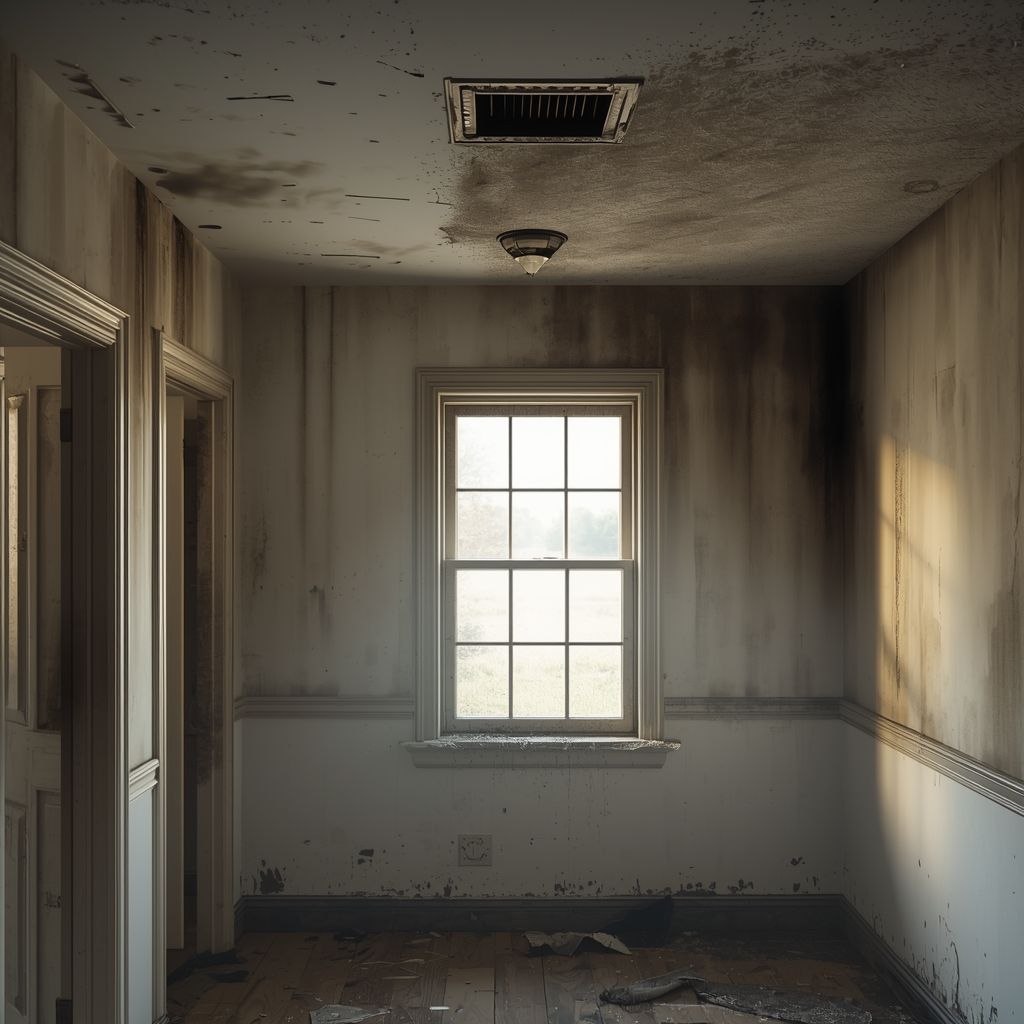
One of the most well-known types is Stachybotrys chartarum, often referred to as "black mold." This mold thrives in excessively damp conditions and is notorious for its potential to produce mycotoxins. It typically appears as dark green or black patches and has a musty odor.
Another common household mold is Penicillium, which grows frequently on food and in water-damaged buildings. It is known for its blue or green color and velvety texture. This mold can spread rapidly and may trigger allergic reactions in pets.
Aspergillus is another prevalent mold found indoors, often in air conditioning systems, compost piles, and damp walls. While some species of Aspergillus are harmless, others can release toxins that cause respiratory issues in both humans and pets.
How Mold Affects Pets Health
Pets are more vulnerable to mold exposure than we might think. Their smaller size and closer proximity to the ground can increase their exposure to mold spores and toxins, leading to a range of health issues.
Respiratory problems are among the most common effects of mold exposure in pets. Symptoms can include coughing, sneezing, wheezing, and difficulty breathing. Pets with pre-existing respiratory conditions, such as asthma, may experience worsened symptoms.
In addition to respiratory issues, mold exposure can also cause skin irritations in pets. Redness, itching, and rashes are common signs that your pet may have come into contact with moldy surfaces. If left untreated, these irritations can lead to more severe skin infections.
Gastrointestinal issues such as vomiting and diarrhea can also occur if pets ingest mold spores. This can happen if they drink from contaminated water sources or lick surfaces with mold growth. It's important to monitor your pet's health and behavior closely if you suspect mold exposure.
Recognizing Symptoms in Your Pets
Being able to recognize the symptoms of mold exposure in your pets is crucial for timely intervention and treatment. While symptoms can vary depending on the type of mold and the severity of exposure, there are common signs to watch out for.
Respiratory symptoms, as mentioned earlier, are a key indicator of mold exposure. Pay attention to persistent coughing, sneezing, or wheezing, especially if your pet does not have a history of respiratory issues.
Behavioral changes can also be a red flag. Mold exposure can cause pets to become lethargic or exhibit signs of discomfort. If your pet seems unusually tired or irritable, it may be worth investigating further.
Finally, keep an eye out for changes in appetite or digestive issues. Mold can upset your pet's stomach, leading to decreased appetite, vomiting, or diarrhea. If these symptoms persist, it's essential to consult your veterinarian for a proper diagnosis and treatment plan.
Pet-Safe Mold Detection Methods
Detecting mold in your home is the first step in protecting your pets. There are several methods you can use to identify the presence of mold, ranging from DIY solutions to professional services.
DIY mold detection kits are available at most hardware stores and provide a simple way to test for mold. These kits typically involve collecting air or surface samples and sending them to a lab for analysis. While convenient, they may not always be as accurate as professional testing.
Professional mold inspection services offer a more comprehensive assessment of your home. Trained inspectors can identify hidden mold sources and provide detailed reports on the type and extent of mold present. This option is ideal for severe cases or when you need confirmation of mold's presence.
Regular home inspections can also be part of a proactive approach to mold prevention. Routinely checking areas prone to moisture, such as basements and bathrooms, can help you catch mold growth early before it becomes a more significant issue.
Preventing Mold Growth in Your Home
Prevention is always better than cure, and taking steps to prevent mold growth can save you and your pets from potential health risks. There are several strategies you can implement to keep mold at bay.
Maintaining proper ventilation in your home is essential. Use exhaust fans in bathrooms and kitchens to remove excess moisture, and consider using a dehumidifier in damp areas like basements.
Addressing leaks and water damage promptly can significantly reduce the risk of mold growth. Regularly inspect plumbing fixtures, roofs, and windows for any signs of leaks, and repair them as soon as possible.
Regular cleaning can also help prevent mold from taking hold. Use mold-inhibiting cleaners in areas prone to moisture and clean up spills and standing water quickly. Regular dusting and vacuuming can also reduce the accumulation of mold spores in your home.
Safe Cleaning Tips for Pet Owners
Cleaning mold can pose health risks if not done correctly, especially for pet owners. It's important to use safe cleaning methods to protect both yourself and your pets from harm.
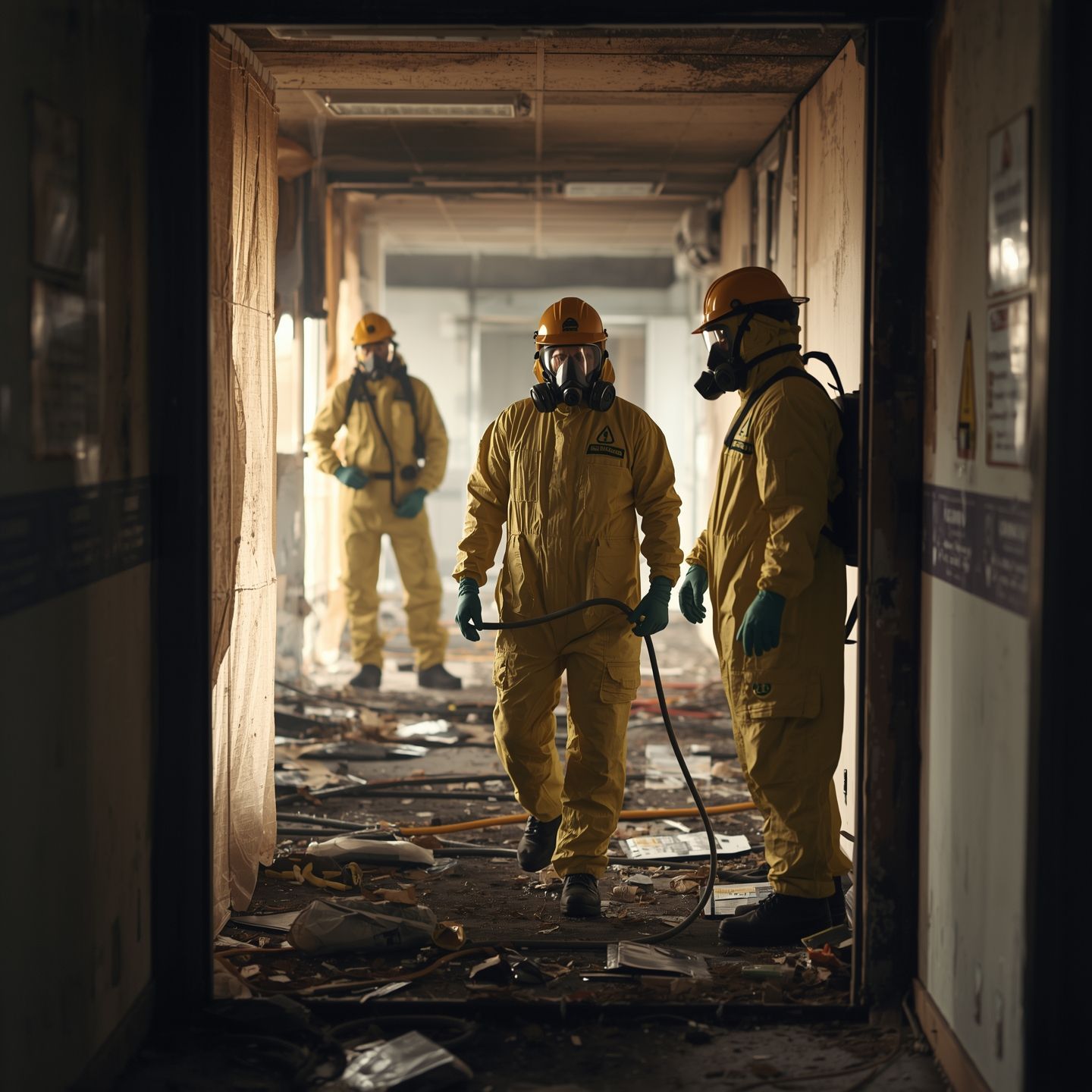
When cleaning mold, always wear protective gear such as gloves, masks, and goggles to minimize exposure to spores. Keep pets away from the area being cleaned to prevent them from inhaling or ingesting mold particles.
Use pet-safe cleaning products when tackling mold. Many commercial mold removers contain harsh chemicals that can be harmful to pets. Opt for natural alternatives like vinegar or baking soda, which can effectively clean mold without posing a risk to your furry friends.
After cleaning, thoroughly rinse surfaces and ensure they are completely dry to prevent mold from returning. Ventilate the area well to remove any lingering spores and odors.
When to Seek Professional Help
While DIY methods can be effective for small mold issues, there are times when professional intervention is necessary. Knowing when to seek expert help is crucial for addressing mold problems effectively.
If you notice extensive mold growth or a persistent musty odor that you can't locate, it's time to call in the professionals. The mold that covers large areas or is deeply embedded in walls and ceilings requires specialized equipment and expertise to remove safely.
Health concerns for you or your pets can also warrant professional assistance. If you or your pets experience ongoing health issues related to mold exposure, a professional mold inspection can help identify and eliminate the source of the problem.
Finally, if you've previously attempted to clean mold but it keeps returning, it may indicate an underlying issue that requires professional attention. Persistent mold problems often stem from hidden water leaks or inadequate ventilation, which experts can address more effectively.
Conclusion Prioritize Your Pets Health
Mold is a subtle yet significant threat to the health and well-being of your pets. Understanding the dangers posed by mold exposure and taking proactive steps to prevent and address it can make all the difference in ensuring a safe and healthy environment for your furry companions.
Take Action with Environmental 911
Protecting your home and pets from mold exposure starts with awareness and action. Environmental 911 is here to help you tackle mold and other environmental challenges head-on. Our team of experts provides professional mold inspection and remediation services to ensure a safe and healthy living space.
Environmental 911 offers expert mold damage removal services in Pasadena, ensuring your home remains safe and healthy. Prompt action is essential to prevent minor mold issues from escalating into major problems that can affect your property and loved ones. Contact us for a consultation, and our team will provide customized solutions to eliminate mold and prevent its return, prioritizing your peace of mind.