
How Do I Know if I Need Leak Detection Services?

May 8, 2023

Having a plumbing issue such as a leak in your home or office can be frustrating and costly. The first step is ensuring that you have the right services for the job, which includes understanding if you need to do any additional investigation before beginning repairs. Leak detection is often necessary to determine exactly where a problem exists and ensure that it is fixed correctly.


In this blog post, we will discuss what signs may indicate when it’s time to call an experienced plumber for assistance with leak detection services.

Identifying Signs of Water Damage in Your Home

Water damage in your home can be a nightmare to deal with, especially if it goes unnoticed for too long. Identifying signs of water damage early on can prevent further damage and save you a lot of money on repairs. 


Some common signs of water damage include water stains on walls or ceilings, musty odors, peeling paint or wallpaper, warped or buckling floors, and mold growth.


It's essential to address any signs of water damage as soon as possible to prevent further damage and potential health hazards. A professional assessment may also be necessary to determine the extent of the damage and the best course of action. 


Don't wait until it's too late; it’s best to be proactive in identifying signs of water damage in your home.


When to Call A Professional Leak Detection Service

Water leaks can be devastating for any building, be it residential or commercial. They can lead to extensive damage to your property, including damage to the structure and the floors. If you notice any signs of water leaks on your property, address the issue immediately. However, fixing a leak isn't just a matter of applying a quick fix. In some cases, the source of the leak may be hard to locate.


That's why it's essential to call a professional leak detection service. With specialized equipment and years of experience, they can assess your situation to determine the source of the leak and the best way to fix it. Rather than attempting to locate and fix a leak on your own, call a professional leak detection service to ensure that your property is in the best possible hands.


Common Causes of Leaky Pipes and Fixtures

Leaky pipes and fixtures are common plumbing issues that homeowners face. Several reasons can cause this problem. One of the primary reasons is corrosion, which occurs when the pipes and fixtures wear out with time. Another common cause is high water pressure. If the pressure exceeds the recommended level, it can push water out through the smallest openings in the pipes and fixtures.


Additionally, incorrect installation or poor maintenance can lead to leaks. Homeowners can fix minor leaks by themselves, but significant leaks need professional assistance. Regardless of the cause of the leak, it's essential to fix it as soon as possible to avoid water damage to your home.


The Benefits of Leak Detection Services

Leak detection services can be incredibly helpful for homeowners and businesses alike. Detecting leaks early on can prevent extensive, costly damage to the property. Whether it's a small leak under the sink or a major pipe rupture, leak detection services can identify the issue before it becomes a much larger problem. Additionally, early detection can save money on water bills by preventing ongoing leaks that may otherwise go unnoticed.


In this way, investing in leak detection services can save property owners a significant amount of money and help maintain the overall integrity of the property. Professional services providers have the expertise and equipment necessary to quickly and accurately identify leaks, making them a worthwhile investment for those looking to protect their property from costly damage.


How Does the Leak Detection Process Work?

Water leaks can cause significant damage, leading to costly repairs and wasted resources. Fortunately, there are effective techniques for detecting and repairing leaks before they become a bigger problem. 


The leak detection process involves various measures, including visual inspection, water pressure tests, and acoustic detection. Specialized equipment and sensors are used to detect leaks in hidden areas, such as underground pipes or within walls.


Once a leak is detected, repairs can be made quickly, minimizing the potential for damage. Overall, investing in professional leak detection services can help protect your property and save money in the long run.


What to Do if You Suspect a Leak in Your Home

As a homeowner, one of the most worrisome scenarios is a leak in your home. Whether it's a dripping faucet or a burst pipe, leaks can cause significant damage, lead to mold growth, and increase your utility bills. 


If you suspect a leak in your home, the first thing to do is to turn off your water supply to prevent further damage. Next, inspect your home for any visible signs of a leak, such as wet spots or pooling water. If you can't locate the source of the leak, it's best to call a professional plumber to diagnose and fix the issue. Taking prompt action can save you time, money, and headaches in the long run.


Leak detection is an integral way of protecting your home from water damage. Taking the time to recognize and respond to potential leaks in your plumbing system can ultimately save you money and stress. 


By being aware of the signs of a water leak, common causes, and how the process works, you can better equip yourself with the knowledge to detect and fix any leaks as they arise.


Calling a professional
water damage company for leak detection service is also a great option if you suspect an issue that is too big to tackle on your own. It is always best to follow the proper steps to ensure that any potential problems are addressed before more serious damage occurs.

About Us

Leaks can cause severe water damage to your home if left unchecked for prolonged periods. If you notice leaks in your home and cannot identify the source, you can call a water damage company in Pasadena to help take care of the problem for you. Let Environmental 911 help you through this unfamiliar process!

Founded in 1999, we have been helping residents of California restore their homes struck by any natural or human disasters. Our services include asbestos clean up, lead abatement, fungus and mold removal, water extraction, fire damage restoration service, and emergency plumbing. You can reach us at (626) 316-6651 or fill out our contact form to know more about water damage restoration in Pasadena. 
By 623a5ea7ba8210a856c36b7f • November 20, 2026
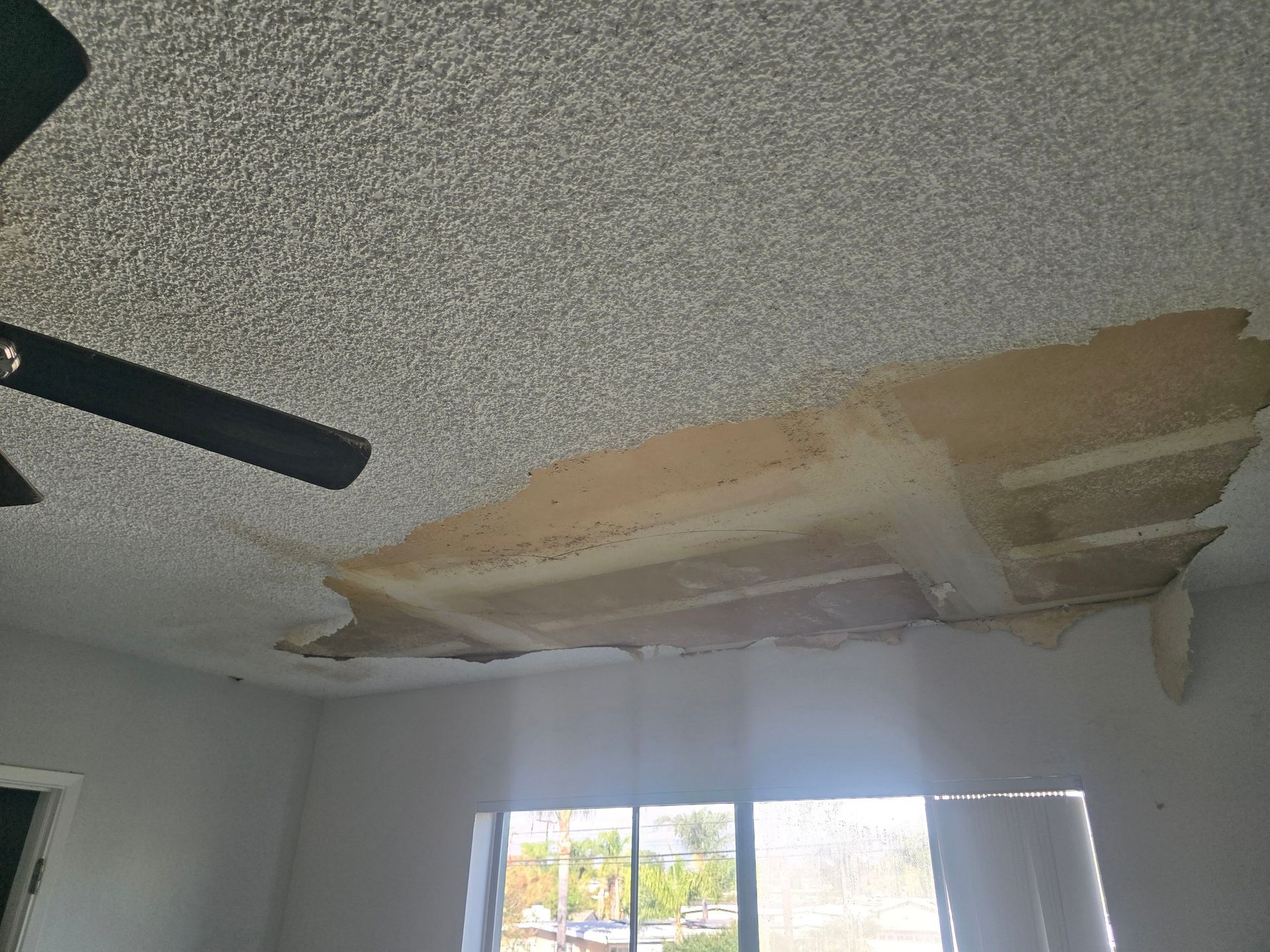
When rain finally arrives in Southern California, it can reveal problems a home may have been hiding all year.  A roof leak, poorly sealed window, overflowing rain gutter, drainage problem, or small opening in a home's exterior may let water into places you cannot easily see. And just because the rain stops - or the visible water dries - doesn’t always mean the problem is gone. Moisture can remain behind walls, under flooring, inside ceilings, or in other hidden areas of a property. If you don’t identify the source and the affected materials don’t dry properly, lingering moisture can cause further property damage and create conditions where mold can grow. Knowing what to look for after a Southern California rainstorm can help you catch a problem before it becomes much larger. Here are seven signs of hidden water damage homeowners should pay attention to. 1. Water Stains on Walls or Ceilings One of the easiest signs to recognize is discoloration on a wall or ceiling. Water stains may appear yellow, brown, or darker than the surrounding surface. You may notice a small spot after a storm that gradually becomes larger or returns every time it rains. Even if the area feels dry later, a recurring stain can indicate that water is entering somewhere above or behind the visible surface. Possible sources can include: Roof leaks Damaged flashing Poorly sealed windows Plumbing leaks Water entering around exterior walls The stain may only show you where the water ended up - not necessarily where it originally entered - so finding the actual source is important. 2. Bubbling, Peeling, or Warped Paint and Drywall Paint that begins bubbling, peeling, cracking, or separating from the wall can be another clue that moisture is present underneath. Drywall can also begin to soften, swell, warp, or lose its shape after absorbing water. These changes may appear around: Windows and doors Ceilings Baseboards Exterior-facing walls Bathrooms or kitchens Areas below a roof or second-story leak Covering the area with new paint won’t solve the problem if moisture is still present behind the surface. The water source needs to be found and corrected first. 3. A Musty or Unusual Odor Sometimes you can smell a moisture problem before you can see one. A persistent musty, earthy, or damp smell—especially after rain—may indicate moisture or microbial growth in an area that isn’t visible. Pay particular attention to odors coming from: Closets Cabinets Crawl spaces Carpeted rooms Areas around baseboards Rooms that share an exterior wall Spaces underneath sinks Areas that have experienced water damage in the past If a musty smell keeps returning even after cleaning, it may be worth investigating what’s happening behind or underneath the visible surfaces. 4. Warped or Buckling Flooring Water doesn’t always stay where it first enters a home. It can travel underneath flooring and become trapped, particularly when a leak or water intrusion isn’t discovered right away. Depending on the type of flooring, you might notice: Wood or laminate beginning to buckle Flooring separating at the seams Tiles becoming loose Carpet feeling damp Discoloration near the edges of a room Baseboards swelling or pulling away from the wall Changes in flooring after heavy rain shouldn’t automatically be dismissed as normal wear. They may be pointing to moisture underneath. 5. Damp Baseboards, Walls, or Carpet After the Rain Has Stopped After a storm passes, walk through areas of the home that are most likely to experience water intrusion. Check around windows, exterior doors, lower walls, sliding doors, fireplaces, and areas where the property has experienced leaks before. A surface that remains damp, cool, or unusually soft after the rest of the home has dried may deserve a closer look. Water can also move beyond the location where it originally entered, which is why the visible wet area may represent only part of the problem. Professional water-damage assessment and water extraction can help determine how far moisture has traveled and what materials have been affected. 6. Mold or New Discoloration Appearing After a Storm Mold needs moisture to grow, which is why water intrusion and mold problems often go hand in hand. You might notice: New dark or discolored spots on walls or ceilings Growth around windows Spots near baseboards Discoloration under sinks or inside cabinets Mold around an area that was recently wet Growth appearing in a crawl space or other poorly ventilated area Mold may also be hidden behind drywall, wallpaper, flooring, carpeting, paneling, or other building materials. Simply cleaning the visible surface doesn’t address a moisture problem behind it. Identifying and correcting the water source is an important part of properly addressing mold and preventing the same issue from returning. 7. The Same Area Has a Problem Every Time It Rains This may be the biggest clue of all. If you repeatedly notice a stain, damp smell, wet carpet, dripping window, damp wall, or pooling water in the same location whenever Southern California gets heavy rain, the problem probably deserves more than another towel and a fan. Recurring water intrusion can indicate an unresolved issue involving the roof, windows, exterior walls, drainage, plumbing, or another part of the property. Repeatedly drying the visible area without addressing the source can allow damage to continue behind the scenes. Why Hidden Moisture Matters Water damage isn’t always dramatic. Sometimes there isn’t a flooded room or water pouring through the ceiling. A slow leak or small amount of repeated water intrusion can still affect drywall, insulation, flooring, wood, and other materials over time. That is why one of the most important steps after discovering water damage is determining: Where did the water come from, where did it travel, and what is still wet? At Environmental 911, the process begins by identifying the source of the damage and evaluating the affected areas. Depending on the situation, water extraction, drying, removal of damaged materials, mold remediation , or additional cleanup may be necessary to properly restore the space. What Should You Do If You Find Water Damage After Rain? If you notice signs of water intrusion after a storm, don’t ignore them simply because the weather has cleared. Start by looking for the obvious source if it can be done safely. Avoid disturbing visibly moldy or heavily damaged building materials, and don’t assume that a surface is completely dry simply because it looks dry from the outside. For larger water losses, recurring leaks, sewage-contaminated water, significant mold growth, or moisture that may have traveled into walls or flooring, professional help may be appropriate. The goal isn’t simply to make the water disappear. It’s to understand what happened, stop the source, dry or remove affected materials as needed, and address any damage that may have developed. Southern California Rain Doesn’t Have to Become a Bigger Property Problem Rainy days may be fewer in Southern California than in other parts of the country, but when storms arrive, they can expose weaknesses in a property that haven’t been noticeable during the dry months. A small stain, musty smell, warped baseboard, or damp section of flooring may be your home’s way of telling you something needs attention. Finding water damage early can make it easier to address the source and prevent the problem from continuing. Environmental 911 provides professional water extraction, flood cleanup, mold remediation, and environmental cleanup services for homes and businesses in Pasadena and surrounding Southern California communities. If you’ve noticed water damage, hidden moisture, or signs of mold after the rain, contact Environmental 911 to have the affected area evaluated and determine the appropriate next steps.
Asbestos removal professional wearing protective coveralls, respirator, and gloves while inspecting
October 20, 2026
Learn the six types of asbestos, where we’re commonly found & the health risks of exposure. Know when to call professionals for safe removal & remediation. Read more!
Professional technician performing fire and smoke damage cleanup
September 10, 2026
Learn why smoke odors linger after fire cleanup and how professional cleaning addresses smoke trapped in walls, HVAC systems, fabrics, and more.
Professionals performing asbestos clearance testing in a commercial building
August 17, 2026
Understand the EPA AHERA clearance standard for asbestos abatement, testing requirements, and compliance steps that every property owner should know. Read more!
Environmental technician conducting indoor air quality testing in a home after nearby wildfire smoke
July 15, 2026
Should you test your indoor air after a nearby wildfire? Learn how wildfire smoke affects your home and when professional indoor air quality testing is necessary.
How Wildfire Smoke and Ash Can Affect Commercial Buildings and Workplaces
June 12, 2026
Discover how wildfire smoke and ash affect commercial buildings, indoor air quality, HVAC systems, and electronics — and why professional remediation matters.
Workers in protective gear cleaning wildfire ash and debris outside a fire-damaged home.
May 13, 2026
Learn about the biggest and most common mistakes people make when cleaning up after a wildfire. This guide will help you understand what to avoid to ensure your safety.
Environmental technician inspecting HVAC ductwork for hidden fire residue and soot contamination
April 14, 2026
Soot and ash can linger in HVAC systems after a fire, posing health risks. Discover why post-fire duct testing is crucial for ensuring a safe, clean environment.
Fire-damaged room after cleanup showing soot stains on ceiling and walls with lingering toxic fire
March 12, 2026
How can you tell if toxic fire residue is still in your home after a cleanup? Learn the common signs to look for and ensure your property is completely safe. Read more!
Environmental testing technician in full protective hazmat suit collecting soil and ash samples
February 12, 2026
Discover why post-fire environmental testing is vital after wildfires. Identify toxic ash, heavy metals, and asbestos to protect health and ensure safe cleanup and recovery.