By 623a5ea7ba8210a856c36b7f
•
November 20, 2026
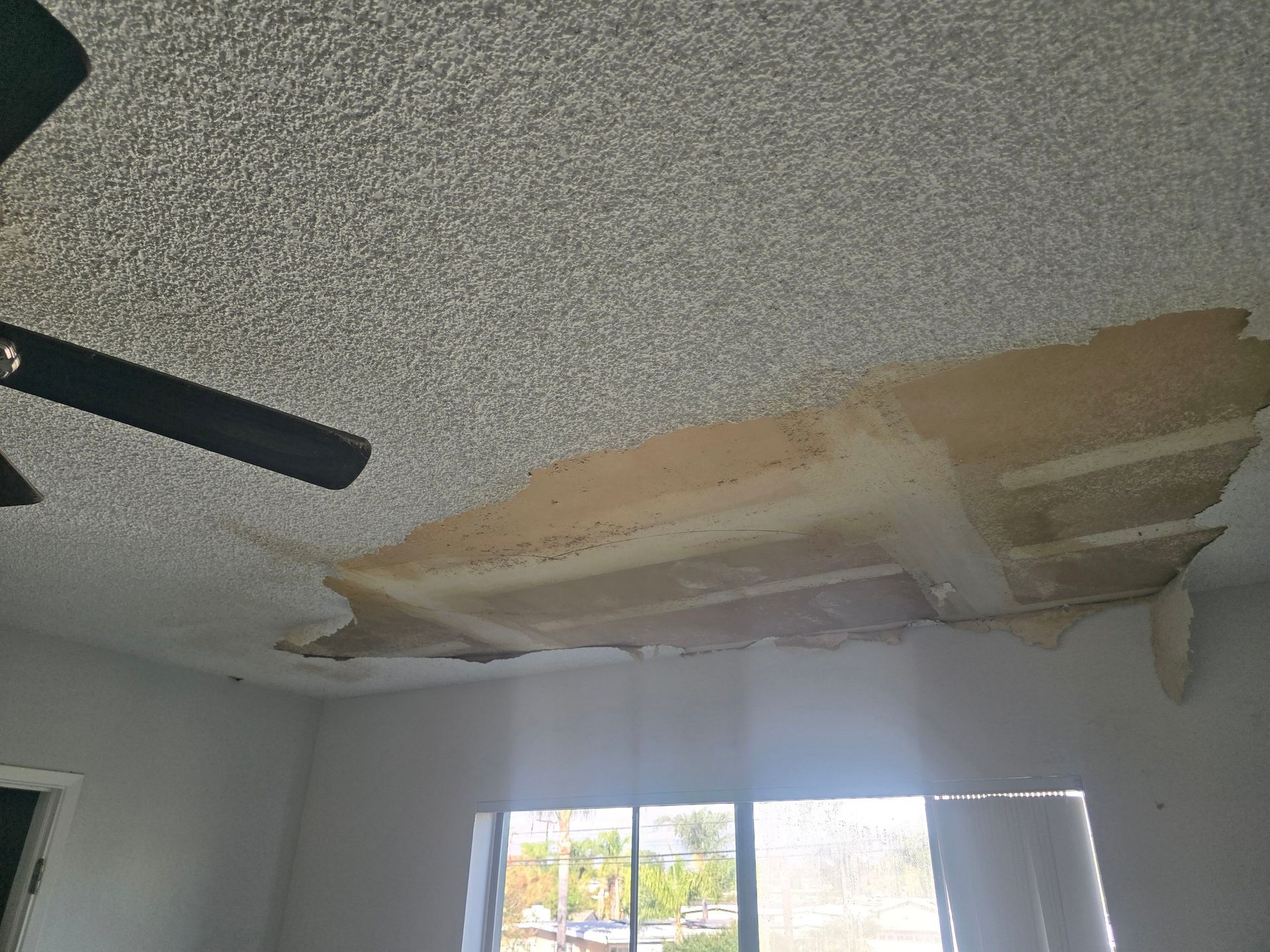
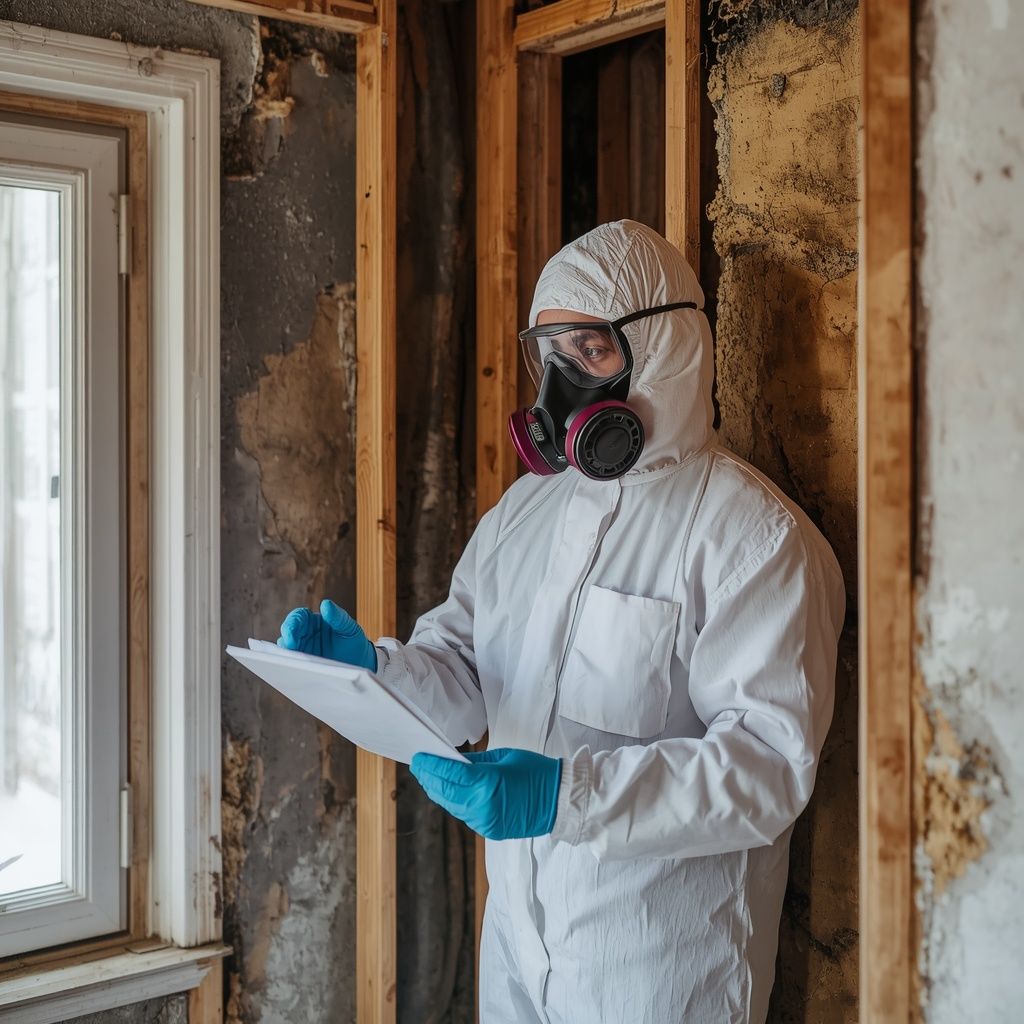
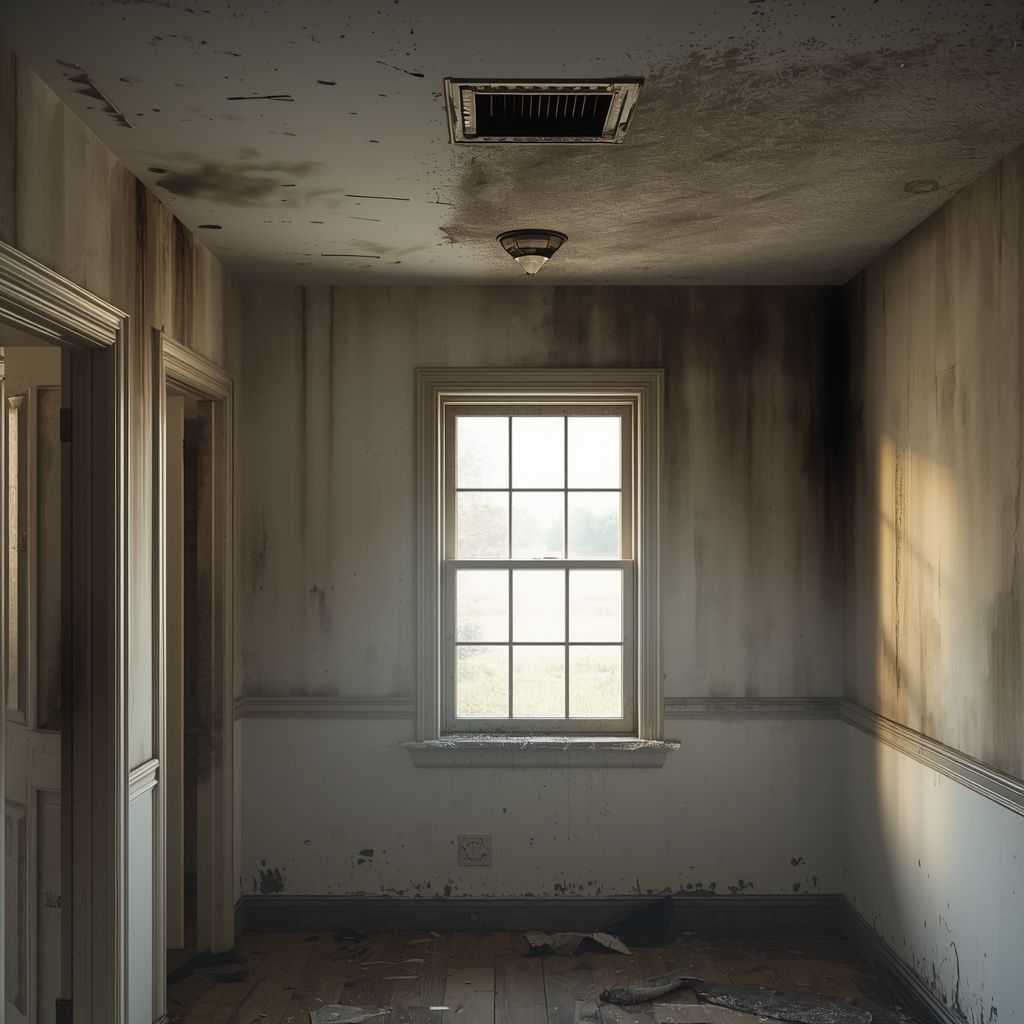
When rain finally arrives in Southern California, it can reveal problems a home may have been hiding all year. A roof leak, poorly sealed window, overflowing rain gutter, drainage problem, or small opening in a home's exterior may let water into places you cannot easily see. And just because the rain stops - or the visible water dries - doesn’t always mean the problem is gone. Moisture can remain behind walls, under flooring, inside ceilings, or in other hidden areas of a property. If you don’t identify the source and the affected materials don’t dry properly, lingering moisture can cause further property damage and create conditions where mold can grow. Knowing what to look for after a Southern California rainstorm can help you catch a problem before it becomes much larger. Here are seven signs of hidden water damage homeowners should pay attention to. 1. Water Stains on Walls or Ceilings One of the easiest signs to recognize is discoloration on a wall or ceiling. Water stains may appear yellow, brown, or darker than the surrounding surface. You may notice a small spot after a storm that gradually becomes larger or returns every time it rains. Even if the area feels dry later, a recurring stain can indicate that water is entering somewhere above or behind the visible surface. Possible sources can include: Roof leaks Damaged flashing Poorly sealed windows Plumbing leaks Water entering around exterior walls The stain may only show you where the water ended up - not necessarily where it originally entered - so finding the actual source is important. 2. Bubbling, Peeling, or Warped Paint and Drywall Paint that begins bubbling, peeling, cracking, or separating from the wall can be another clue that moisture is present underneath. Drywall can also begin to soften, swell, warp, or lose its shape after absorbing water. These changes may appear around: Windows and doors Ceilings Baseboards Exterior-facing walls Bathrooms or kitchens Areas below a roof or second-story leak Covering the area with new paint won’t solve the problem if moisture is still present behind the surface. The water source needs to be found and corrected first. 3. A Musty or Unusual Odor Sometimes you can smell a moisture problem before you can see one. A persistent musty, earthy, or damp smell—especially after rain—may indicate moisture or microbial growth in an area that isn’t visible. Pay particular attention to odors coming from: Closets Cabinets Crawl spaces Carpeted rooms Areas around baseboards Rooms that share an exterior wall Spaces underneath sinks Areas that have experienced water damage in the past If a musty smell keeps returning even after cleaning, it may be worth investigating what’s happening behind or underneath the visible surfaces. 4. Warped or Buckling Flooring Water doesn’t always stay where it first enters a home. It can travel underneath flooring and become trapped, particularly when a leak or water intrusion isn’t discovered right away. Depending on the type of flooring, you might notice: Wood or laminate beginning to buckle Flooring separating at the seams Tiles becoming loose Carpet feeling damp Discoloration near the edges of a room Baseboards swelling or pulling away from the wall Changes in flooring after heavy rain shouldn’t automatically be dismissed as normal wear. They may be pointing to moisture underneath. 5. Damp Baseboards, Walls, or Carpet After the Rain Has Stopped After a storm passes, walk through areas of the home that are most likely to experience water intrusion. Check around windows, exterior doors, lower walls, sliding doors, fireplaces, and areas where the property has experienced leaks before. A surface that remains damp, cool, or unusually soft after the rest of the home has dried may deserve a closer look. Water can also move beyond the location where it originally entered, which is why the visible wet area may represent only part of the problem. Professional water-damage assessment and water extraction can help determine how far moisture has traveled and what materials have been affected. 6. Mold or New Discoloration Appearing After a Storm Mold needs moisture to grow, which is why water intrusion and mold problems often go hand in hand. You might notice: New dark or discolored spots on walls or ceilings Growth around windows Spots near baseboards Discoloration under sinks or inside cabinets Mold around an area that was recently wet Growth appearing in a crawl space or other poorly ventilated area Mold may also be hidden behind drywall, wallpaper, flooring, carpeting, paneling, or other building materials. Simply cleaning the visible surface doesn’t address a moisture problem behind it. Identifying and correcting the water source is an important part of properly addressing mold and preventing the same issue from returning. 7. The Same Area Has a Problem Every Time It Rains This may be the biggest clue of all. If you repeatedly notice a stain, damp smell, wet carpet, dripping window, damp wall, or pooling water in the same location whenever Southern California gets heavy rain, the problem probably deserves more than another towel and a fan. Recurring water intrusion can indicate an unresolved issue involving the roof, windows, exterior walls, drainage, plumbing, or another part of the property. Repeatedly drying the visible area without addressing the source can allow damage to continue behind the scenes. Why Hidden Moisture Matters Water damage isn’t always dramatic. Sometimes there isn’t a flooded room or water pouring through the ceiling. A slow leak or small amount of repeated water intrusion can still affect drywall, insulation, flooring, wood, and other materials over time. That is why one of the most important steps after discovering water damage is determining: Where did the water come from, where did it travel, and what is still wet? At Environmental 911, the process begins by identifying the source of the damage and evaluating the affected areas. Depending on the situation, water extraction, drying, removal of damaged materials, mold remediation , or additional cleanup may be necessary to properly restore the space. What Should You Do If You Find Water Damage After Rain? If you notice signs of water intrusion after a storm, don’t ignore them simply because the weather has cleared. Start by looking for the obvious source if it can be done safely. Avoid disturbing visibly moldy or heavily damaged building materials, and don’t assume that a surface is completely dry simply because it looks dry from the outside. For larger water losses, recurring leaks, sewage-contaminated water, significant mold growth, or moisture that may have traveled into walls or flooring, professional help may be appropriate. The goal isn’t simply to make the water disappear. It’s to understand what happened, stop the source, dry or remove affected materials as needed, and address any damage that may have developed. Southern California Rain Doesn’t Have to Become a Bigger Property Problem Rainy days may be fewer in Southern California than in other parts of the country, but when storms arrive, they can expose weaknesses in a property that haven’t been noticeable during the dry months. A small stain, musty smell, warped baseboard, or damp section of flooring may be your home’s way of telling you something needs attention. Finding water damage early can make it easier to address the source and prevent the problem from continuing. Environmental 911 provides professional water extraction, flood cleanup, mold remediation, and environmental cleanup services for homes and businesses in Pasadena and surrounding Southern California communities. If you’ve noticed water damage, hidden moisture, or signs of mold after the rain, contact Environmental 911 to have the affected area evaluated and determine the appropriate next steps.